BifitBifit
HomeExercisesBecome a Coach
Log In
HOMEEXERCISESBECOME A COACHLOG IN

Language

Legal

Terms of UsePrivacy PolicyDelete Account
BifitBifit

A modern and user-friendly mobile app that makes life easier for fitness enthusiasts. Tracking your workouts and progress is our priority.

Quick Links

  • Home
  • Exercises
  • Become a Coach
  • Download · Google Play
  • Download · App Store

Legal

  • Privacy Policy
  • Terms of Use
  • Support
  • Account Deletion

© 2026 Bifit. All rights reserved.

Designed for a healthy lifestyle

HomeExercisesKettlebell Side Lunge

Kettlebell Side Lunge

Legs
Inner Thigh
Intermediate
Compound
3-4Set
8-12Reps
60sRest
2-1-2-0Tempo
Kettlebell Side Lunge
Animation

Description

The Kettlebell Side Lunge is a lateral compound movement performed with a kettlebell, specifically targeting the inner thighs (adductors), gluteus medius, and quadriceps. Unlike a classic forward lunge, you step to the side, allowing the movement to occur in the frontal plane. This intensely stretches and activates the inner thigh muscles. Holding the kettlebell at chest level in a goblet position helps keep the torso upright and increases core stabilization. It is highly functional for athletes in sports that require lateral movement (basketball, tennis, soccer). It improves hip mobility, balance, and coordination skills. It is also an ideal exercise for correcting muscle imbalances and gaining functional lower body strength.

Step-by-Step Instructions

  1. 1

    Hold the kettlebell with both hands at chest level in a goblet position.

  2. 2

    Start in a standing position with your feet shoulder-width apart and parallel.

  3. 3

    Engage your core, pull your shoulders back, and keep your back straight.

  4. 4

    Take a wide step to the side with your right foot, keeping your toes pointing forward.

  5. 5

    Lower yourself by bending your right knee and pushing your hips back, while keeping your left leg straight.

  6. 6

    Descend until your right thigh is parallel to the floor or as far as your hamstring flexibility allows, keeping your torso upright.

  7. 7

    Push off your right heel and squeeze your adductors to return to the starting position.

  8. 8

    After completing the desired number of repetitions, perform the same movement with the other leg.

  9. 9

    Keep the kettlebell in a stable position throughout the movement.

Key Points

  • ✓The toes of the stepping foot must point forward and not flare outward.
  • ✓It is critical that the working knee tracks in the same direction as the toes; it should not cave inward.
  • ✓The opposite leg must remain straight and stable throughout the movement.
  • ✓Keep your torso upright and avoid leaning too far forward.
  • ✓The movement should initiate from the hips, not the knees.

Common Mistakes

  • ✗Allowing the working knee to cave inward - creates joint stress.
  • ✗Bending the opposite leg - reduces inner thigh tension.
  • ✗Leaning the torso too far forward - strains the lower back and loses kettlebell stability.
  • ✗Not stepping wide enough - alters the target muscle pattern.
  • ✗Pushing off the toes instead of the heel - disrupts power transfer.
  • ✗Choosing a kettlebell that is too heavy - compromises form and causes loss of balance.

Breathing

Inhale and brace your core as you lower down, and exhale as you return to the starting position.

Muscle Activation

adductors0%
quads0%
glutes0%
gluteus medius0%
hamstrings0%
core0%
calves0%

Safety

Precautions

  • Individuals with hip joint issues should limit their range of motion.
  • Those with knee injuries should exercise caution.
  • Individuals with adductor injuries should avoid this movement.
  • Those with balance issues should start near a supportive surface.

Safety Tips

  • Learn the movement without a kettlebell first.
  • Start with a light kettlebell and adjust your step width according to your flexibility.
  • Ensure your knee is tracking in the same direction as your toes.
  • Perform the movement slowly and with control; avoid swinging.
  • Stop the movement and reduce the weight if your form breaks down.

Frequently Asked Questions

Which muscles does Kettlebell Side Lunge work?

Kettlebell Side Lunge primarily works these muscles: Adductor, Quadriceps, Gluteus maximus. It also engages: Hamstring, Gluteus medius, Core kasları, Kalf.

Is Kettlebell Side Lunge suitable for beginners?

Kettlebell Side Lunge is a Intermediate level exercise. Learning difficulty: Moderate.

Can Kettlebell Side Lunge be done at home?

Yes, Kettlebell Side Lunge can easily be done at home.

What are common mistakes when doing Kettlebell Side Lunge?

One of the most common mistakes: Allowing the working knee to cave inward - creates joint stress.

How many sets and reps for Kettlebell Side Lunge?

Recommended: 3-4 sets and 8-12 reps.
Related Exercises

Exercises targeting similar muscle groups

Legs Exercises
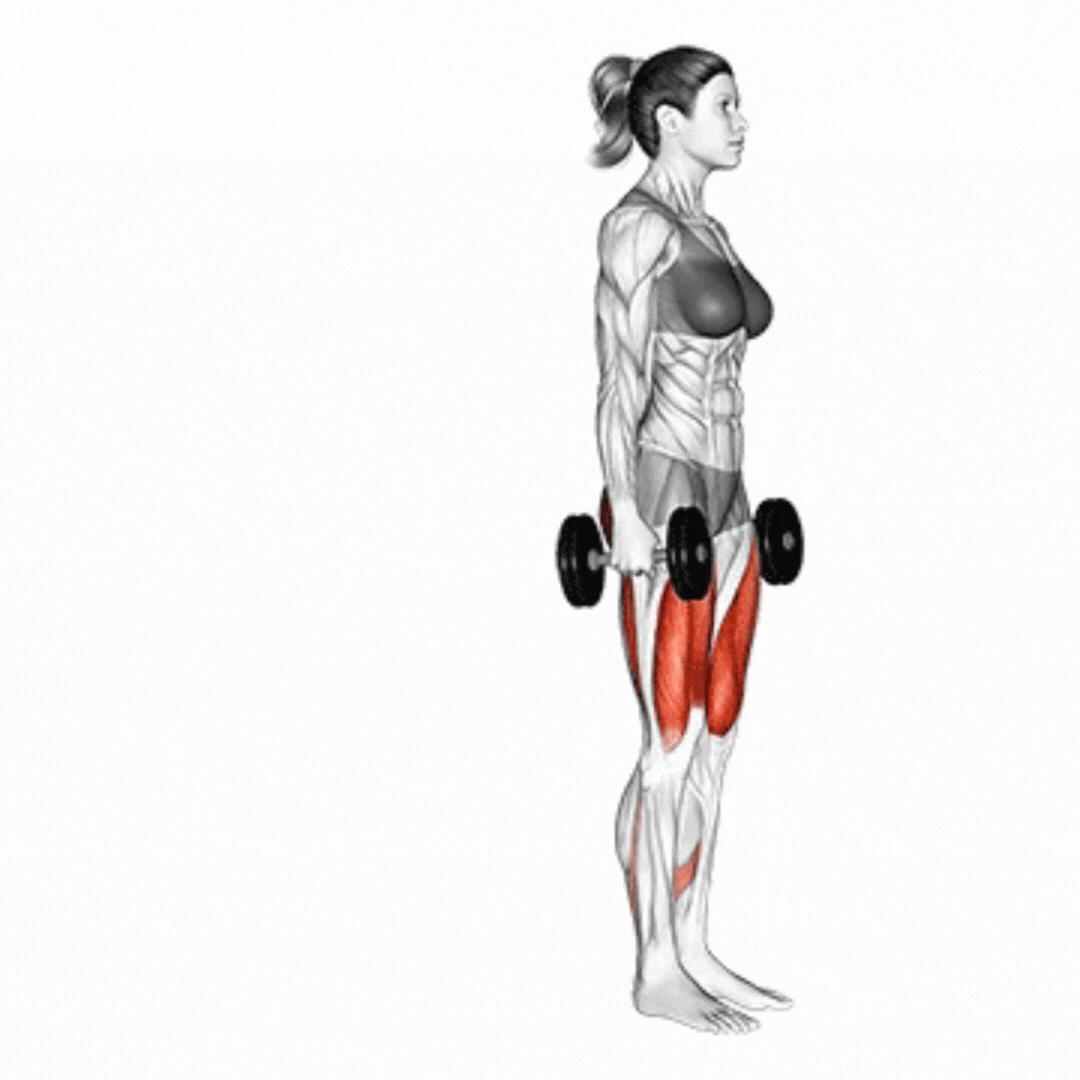
Dumbbell Goblet Curtsey Lunge

Dumbbell Goblet Curtsey Lunge

Quads

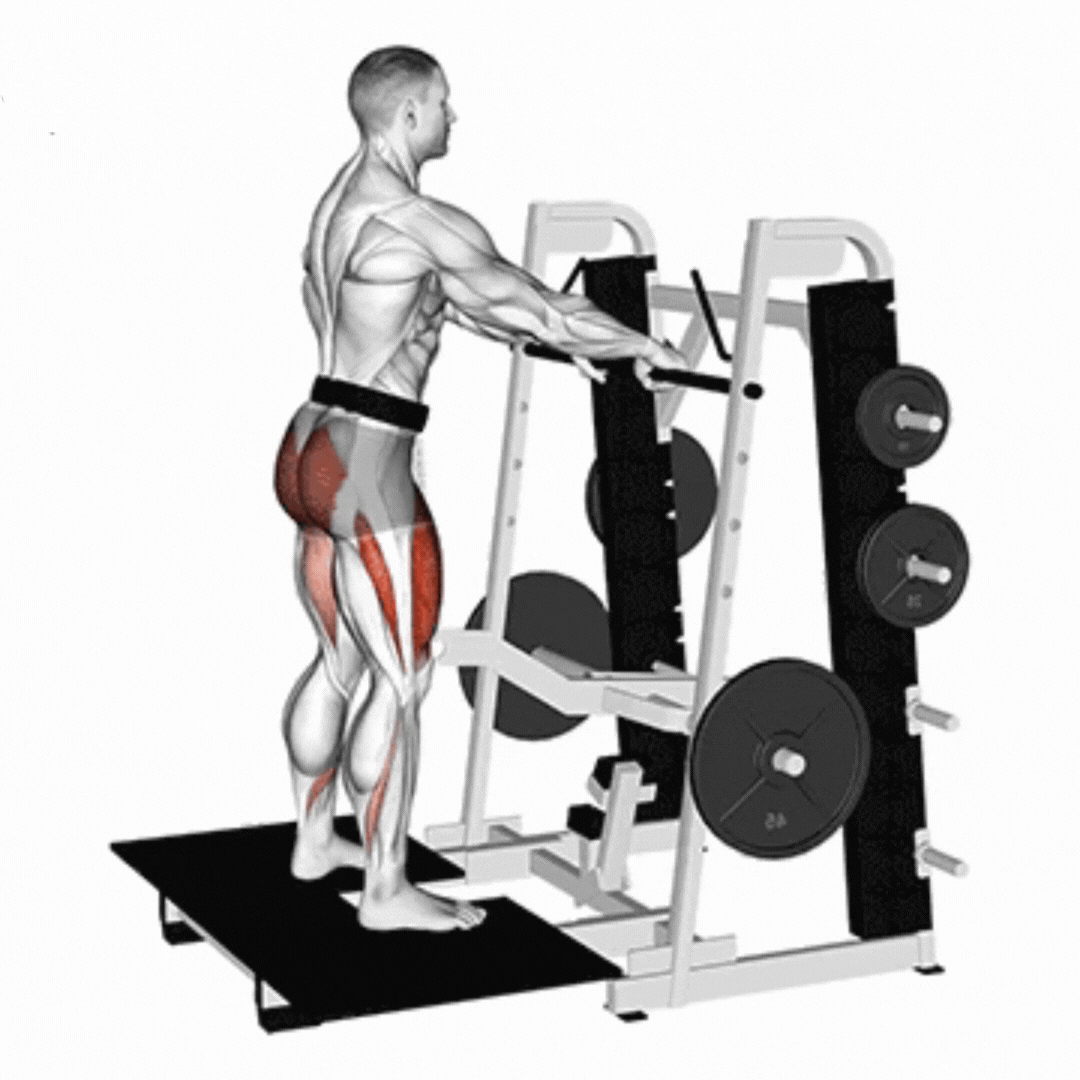
Belt Squat

Belt Squat

Quads

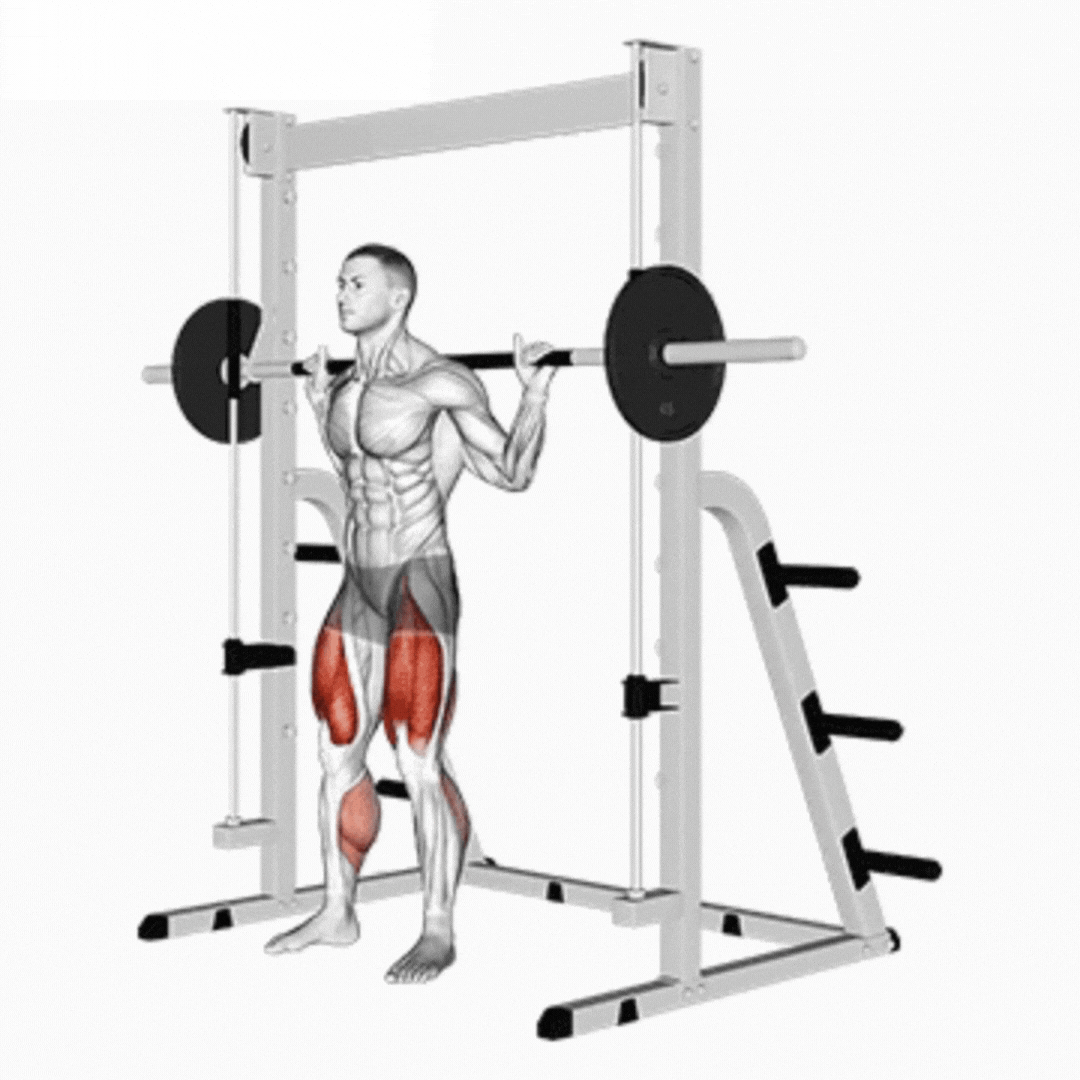
Smith Machine Squat

Smith Machine Squat

Quads

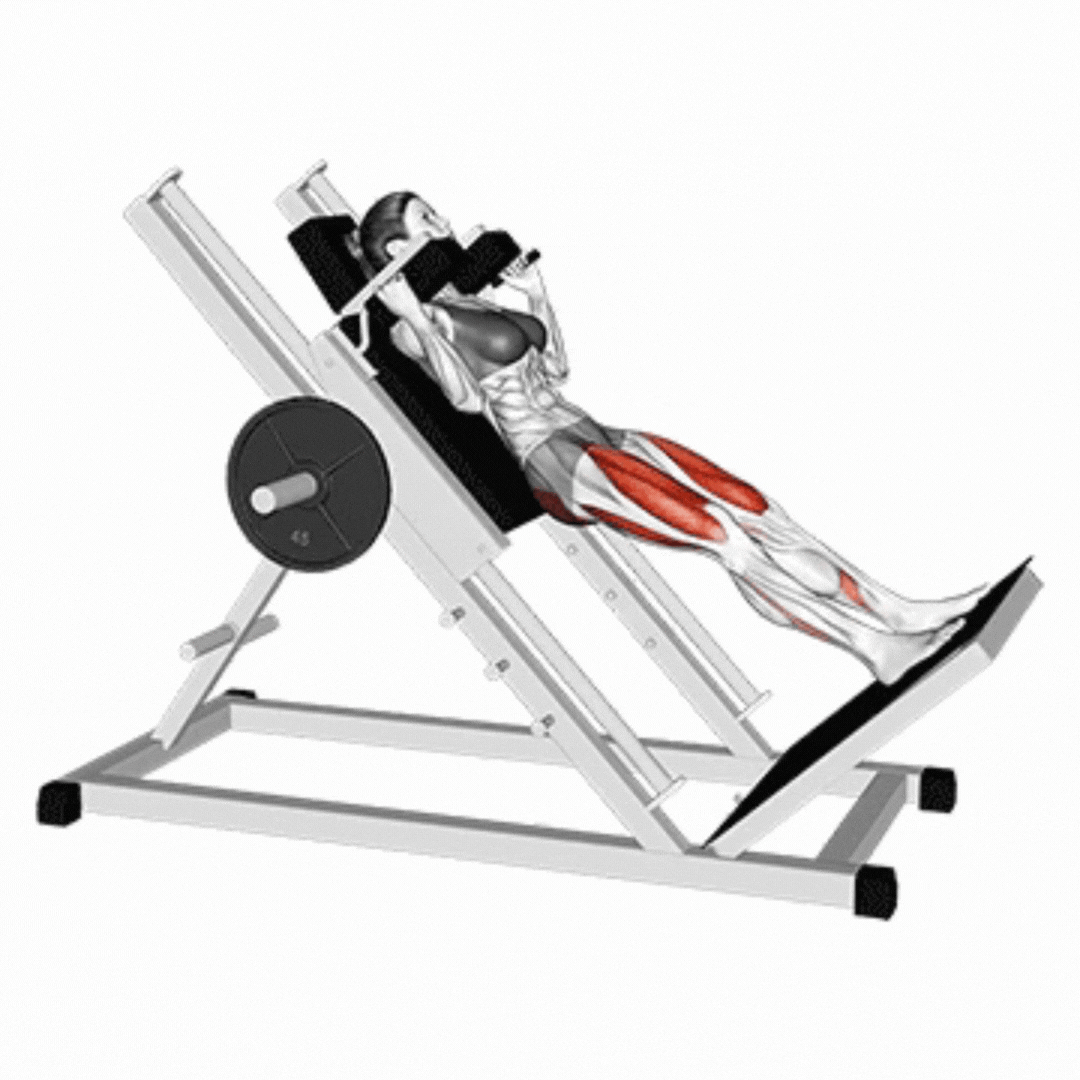
Hack Squat Musculature

Hack Squat Musculature

Quads

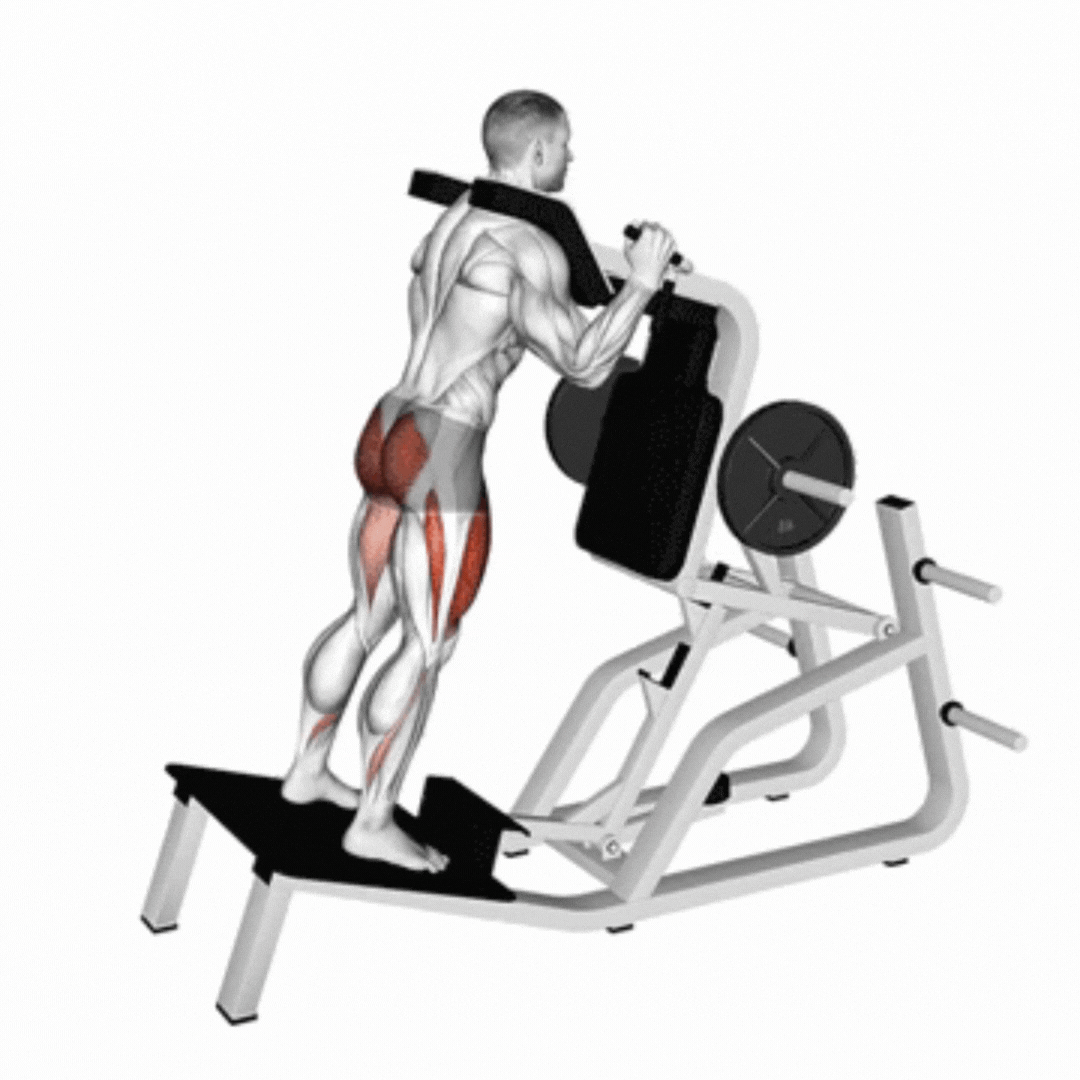
Reverse Hack Squat

Reverse Hack Squat

Hamstrings

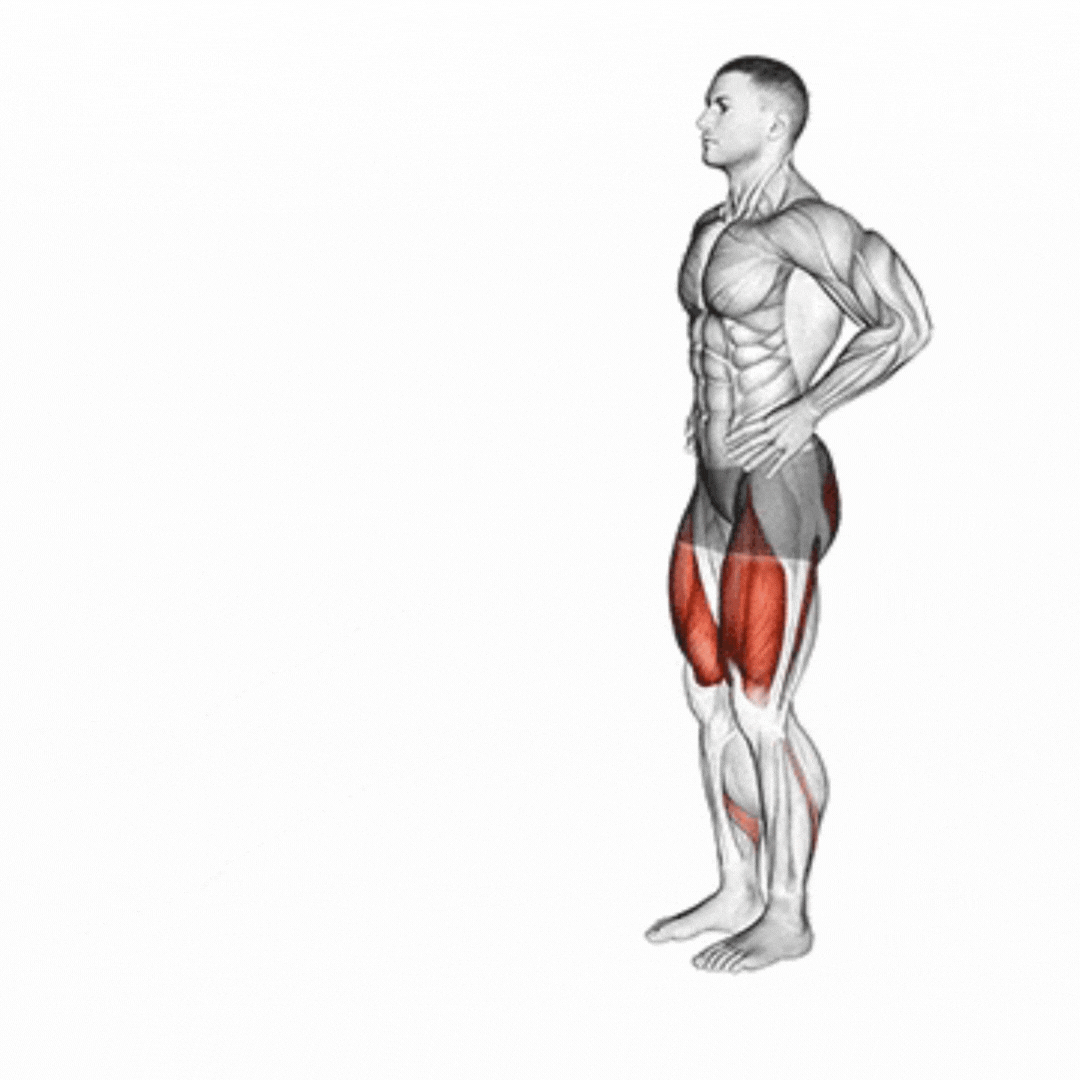
Bodyweight Lunge

Bodyweight Lunge

Quads

Exercise Information

DifficultyIntermediate
Movement TypeCompound
FocusHypertrophy
Injury RiskLow
Set3-4
Reps8-12
Rest60 seconds
Tempo2-1-2-0
Spotter RequiredNo
Home / Gym
YesYes
Effectiveness4.0 / 5
Popularity6.5 / 10
Learning DifficultyModerate

Equipment

kettlebell

Primary Muscles

AdductorQuadricepsGluteus maximus

Secondary Muscles

HamstringGluteus mediusCore kaslarıKalf

Benefits

  • ✓Isolates and develops the inner thigh (adductor) muscles.
  • ✓Builds lateral movement strength.
  • ✓Increases hip mobility and flexibility.
  • ✓Strengthens the quadriceps and glutes simultaneously.
  • ✓Improves balance and coordination.
  • ✓Corrects muscle imbalances.
  • ✓Enhances sports performance (lateral movements).
  • ✓Provides functional lower body strength.

Goals

Muscle GainStrength
Back to All Exercises
Kettlebell Side Lunge
Animation

Description

The Kettlebell Side Lunge is a lateral compound movement performed with a kettlebell, specifically targeting the inner thighs (adductors), gluteus medius, and quadriceps. Unlike a classic forward lunge, you step to the side, allowing the movement to occur in the frontal plane. This intensely stretches and activates the inner thigh muscles. Holding the kettlebell at chest level in a goblet position helps keep the torso upright and increases core stabilization. It is highly functional for athletes in sports that require lateral movement (basketball, tennis, soccer). It improves hip mobility, balance, and coordination skills. It is also an ideal exercise for correcting muscle imbalances and gaining functional lower body strength.

Step-by-Step Instructions

  1. 1

    Hold the kettlebell with both hands at chest level in a goblet position.

  2. 2

    Start in a standing position with your feet shoulder-width apart and parallel.

  3. 3

    Engage your core, pull your shoulders back, and keep your back straight.

  4. 4

    Take a wide step to the side with your right foot, keeping your toes pointing forward.

  5. 5

    Lower yourself by bending your right knee and pushing your hips back, while keeping your left leg straight.

  6. 6

    Descend until your right thigh is parallel to the floor or as far as your hamstring flexibility allows, keeping your torso upright.

  7. 7

    Push off your right heel and squeeze your adductors to return to the starting position.

  8. 8

    After completing the desired number of repetitions, perform the same movement with the other leg.

  9. 9

    Keep the kettlebell in a stable position throughout the movement.

Key Points

  • ✓The toes of the stepping foot must point forward and not flare outward.
  • ✓It is critical that the working knee tracks in the same direction as the toes; it should not cave inward.
  • ✓The opposite leg must remain straight and stable throughout the movement.
  • ✓Keep your torso upright and avoid leaning too far forward.
  • ✓The movement should initiate from the hips, not the knees.

Common Mistakes

  • ✗Allowing the working knee to cave inward - creates joint stress.
  • ✗Bending the opposite leg - reduces inner thigh tension.
  • ✗Leaning the torso too far forward - strains the lower back and loses kettlebell stability.
  • ✗Not stepping wide enough - alters the target muscle pattern.
  • ✗Pushing off the toes instead of the heel - disrupts power transfer.
  • ✗Choosing a kettlebell that is too heavy - compromises form and causes loss of balance.

Breathing

Inhale and brace your core as you lower down, and exhale as you return to the starting position.

Back to All Exercises

Related Exercises

Exercises targeting similar muscle groups

Legs Exercises
Dumbbell Goblet Curtsey Lunge

Dumbbell Goblet Curtsey Lunge

Quads

Belt Squat

Belt Squat

Quads

Smith Machine Squat

Smith Machine Squat

Quads

Hack Squat Musculature

Hack Squat Musculature

Quads

Reverse Hack Squat

Reverse Hack Squat

Hamstrings

Bodyweight Lunge

Bodyweight Lunge

Quads