.gif)
Description
The Kettlebell Russian Twist is an effective variation of the classic Russian Twist, adding extra resistance with a kettlebell. It is performed by sitting in a V-position and rotating the kettlebell from side to side. It intensely activates the oblique muscles (internal and external), rectus abdominis, and transversus abdominis. The addition of the kettlebell makes the rotational movement more challenging and creates maximum load on the obliques. It is also highly functional for sports requiring rotation (golf, tennis, baseball). It improves core endurance and rotational strength. It is practical for both home and gym workouts. When done regularly, it provides significant improvements in lateral abdominal hypertrophy, oblique definition, and torso rotational power.
Kettlebell Russian Twist How-To Guide
- 1
Sit on the floor, bend your knees, and place the soles of your feet on the ground (or lift them slightly off the floor).
- 2
Hold the kettlebell with both hands at chest level.
- 3
Lean your back slightly backward (at about a 45-degree angle).
- 4
Brace your core muscles and keep your torso stable.
- 5
Rotate the kettlebell to the right, bringing it to the right side of your body.
- 6
Squeeze your obliques at the peak of the movement.
- 7
Return to the center in a controlled manner and rotate to the left side.
- 8
Alternately repeat the movement from side to side.
- 9
Keep your back stable throughout the movement; only your upper torso should rotate.
Key Points
- ✓Keep your back leaned backward (at a 45-degree angle).
- ✓The movement should only come from the upper torso; keep your back stable.
- ✓Keep the kettlebell close to your body.
- ✓Squeeze the obliques at the peak of the movement.
- ✓Maintain a slow and controlled tempo.
- ✓Legs can be lifted off the floor optionally (increases difficulty).
Common Mistakes
- ✗Rounding the back - strains the lower back.
- ✗Swinging with the arms - relies on momentum.
- ✗Choosing a kettlebell that is too heavy - compromises form.
- ✗Performing the movement too fast - fails to fully engage the obliques.
- ✗Insufficient range of motion - results in incomplete rotation.
Breathing
Exhale as you rotate, and inhale as you return to the center.
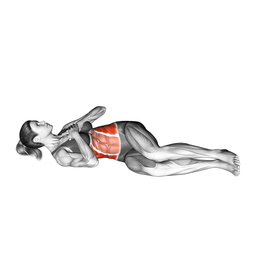
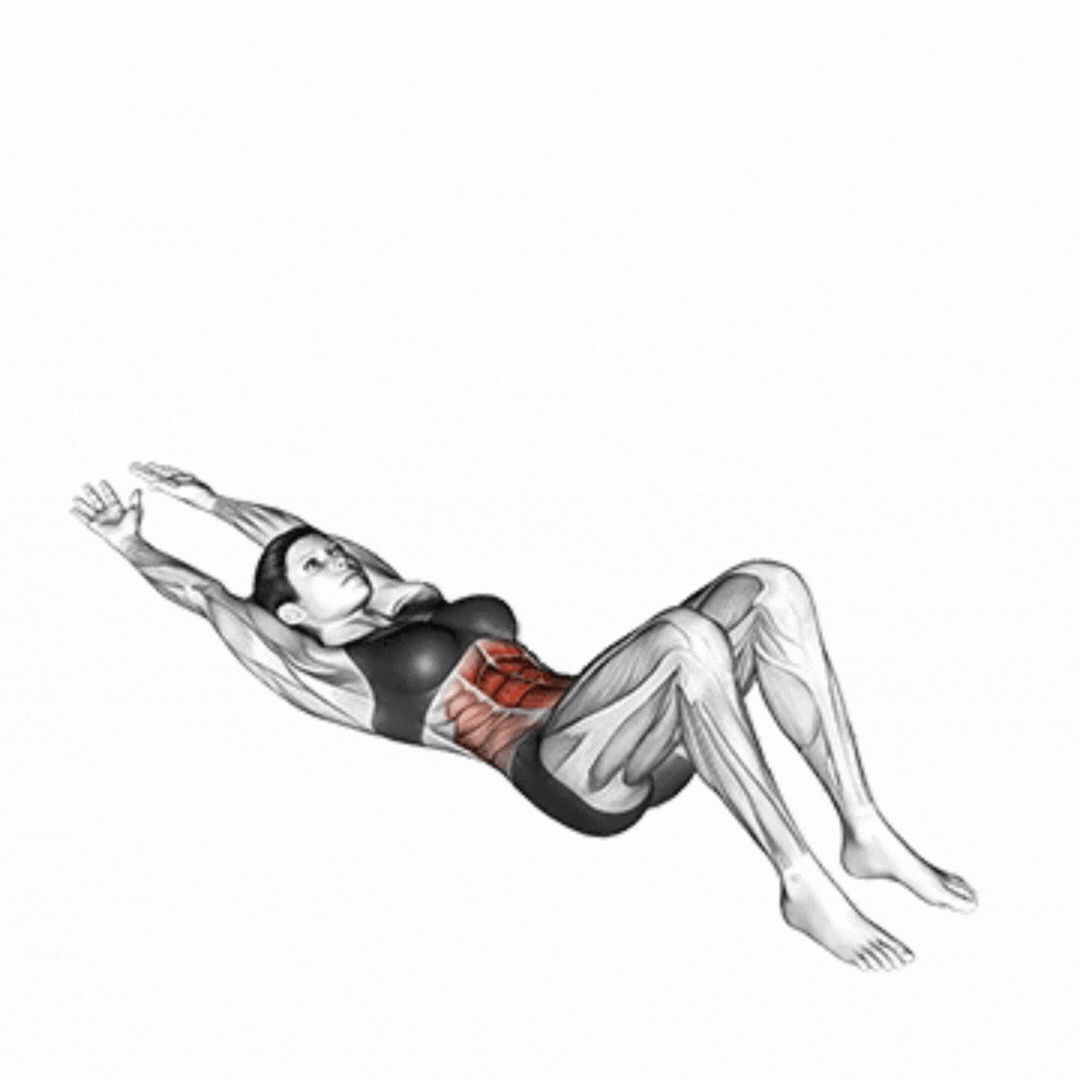
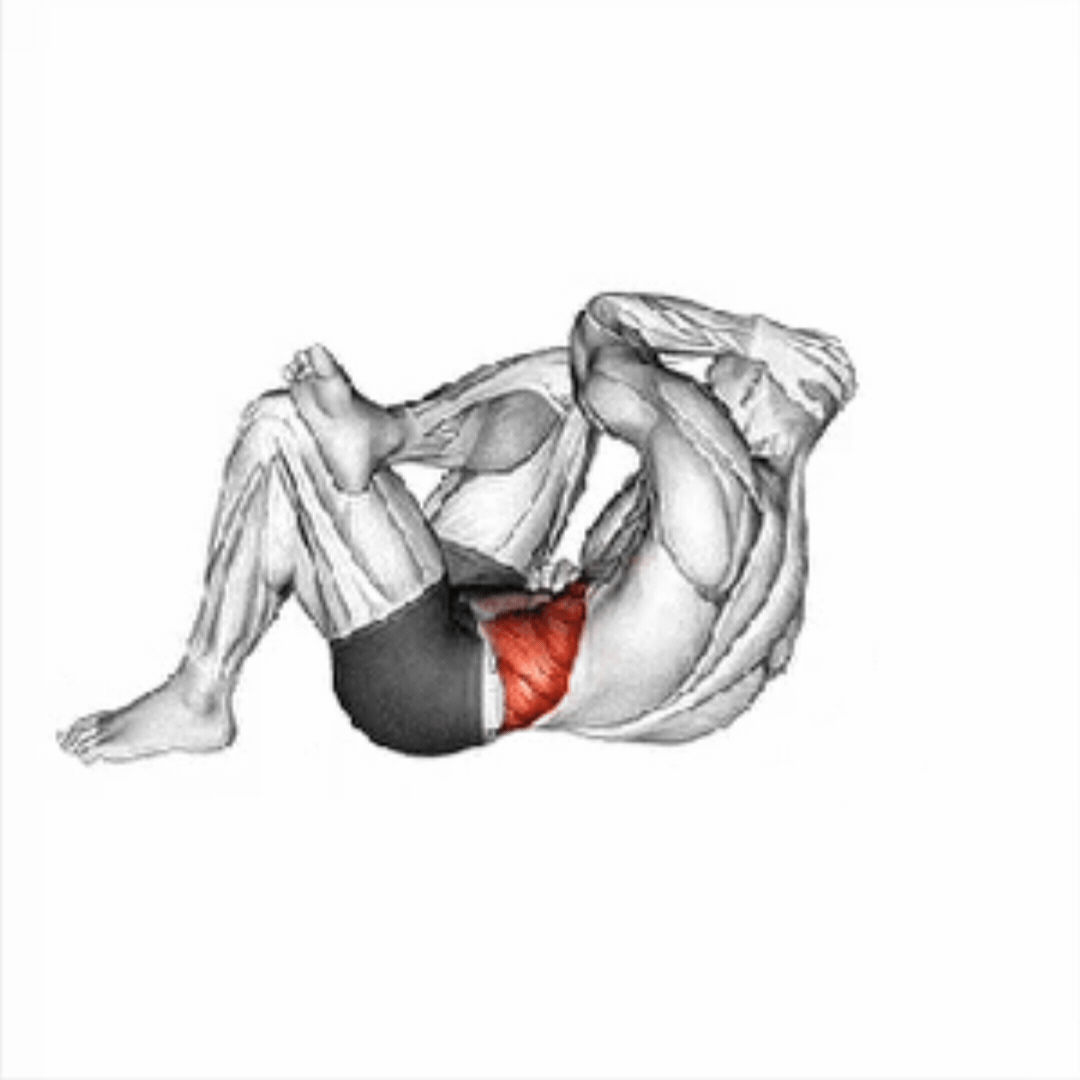
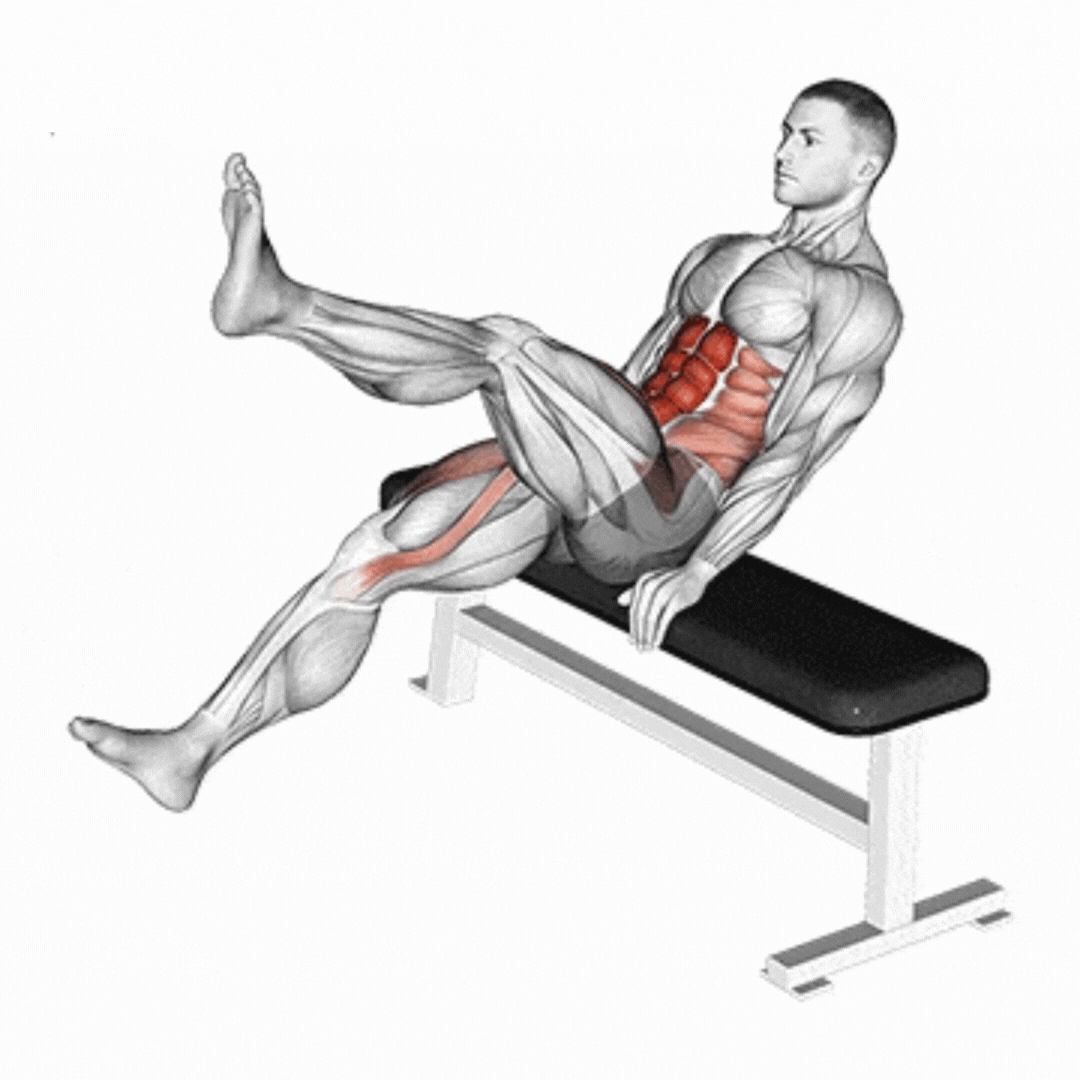
Muscle Activation
Safety
Precautions
- Individuals with acute lower back pain or a herniated disc should avoid this exercise.
- Those with disc problems should exercise caution.
Safety Tips
- Learn the bodyweight Russian twist first.
- Start with a light kettlebell.
- Keep your back straight; do not round it.
- Stop the exercise if your form breaks down.
Frequently Asked Questions
Which muscles does Kettlebell Russian Twist work?
Kettlebell Russian Twist primarily works these muscles: Oblik kaslar, Yan Karın. It also engages: Karın kasları, Core kasları, Transversus abdominis.
Is Kettlebell Russian Twist suitable for beginners?
Kettlebell Russian Twist is a Intermediate level exercise. Learning difficulty: Moderate.
Can Kettlebell Russian Twist be done at home?
Yes, Kettlebell Russian Twist can easily be done at home.
What are common mistakes when doing Kettlebell Russian Twist?
One of the most common mistakes: Rounding the back - strains the lower back.
How many sets and reps for Kettlebell Russian Twist?
Recommended: 3-4 sets and 12-20 reps.
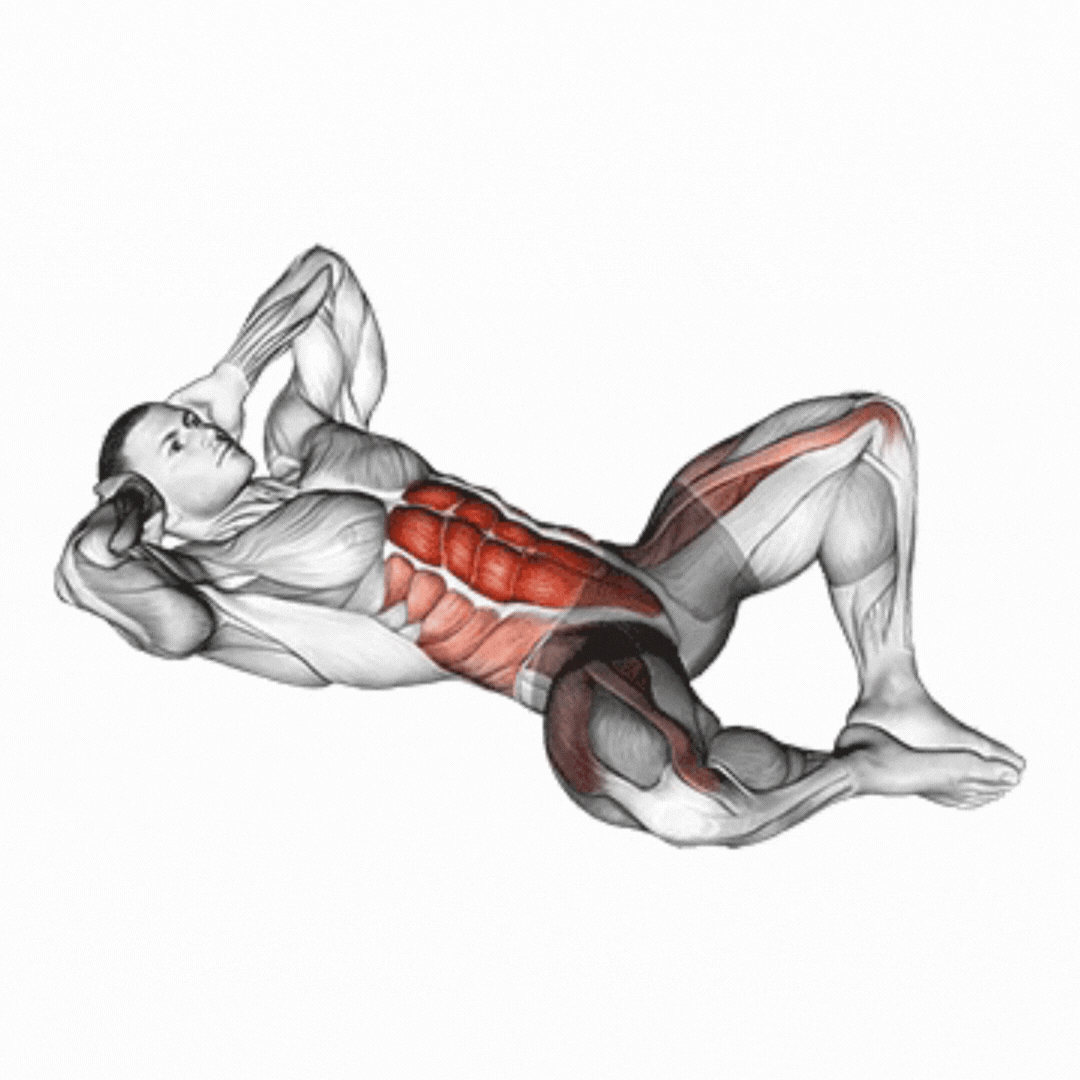
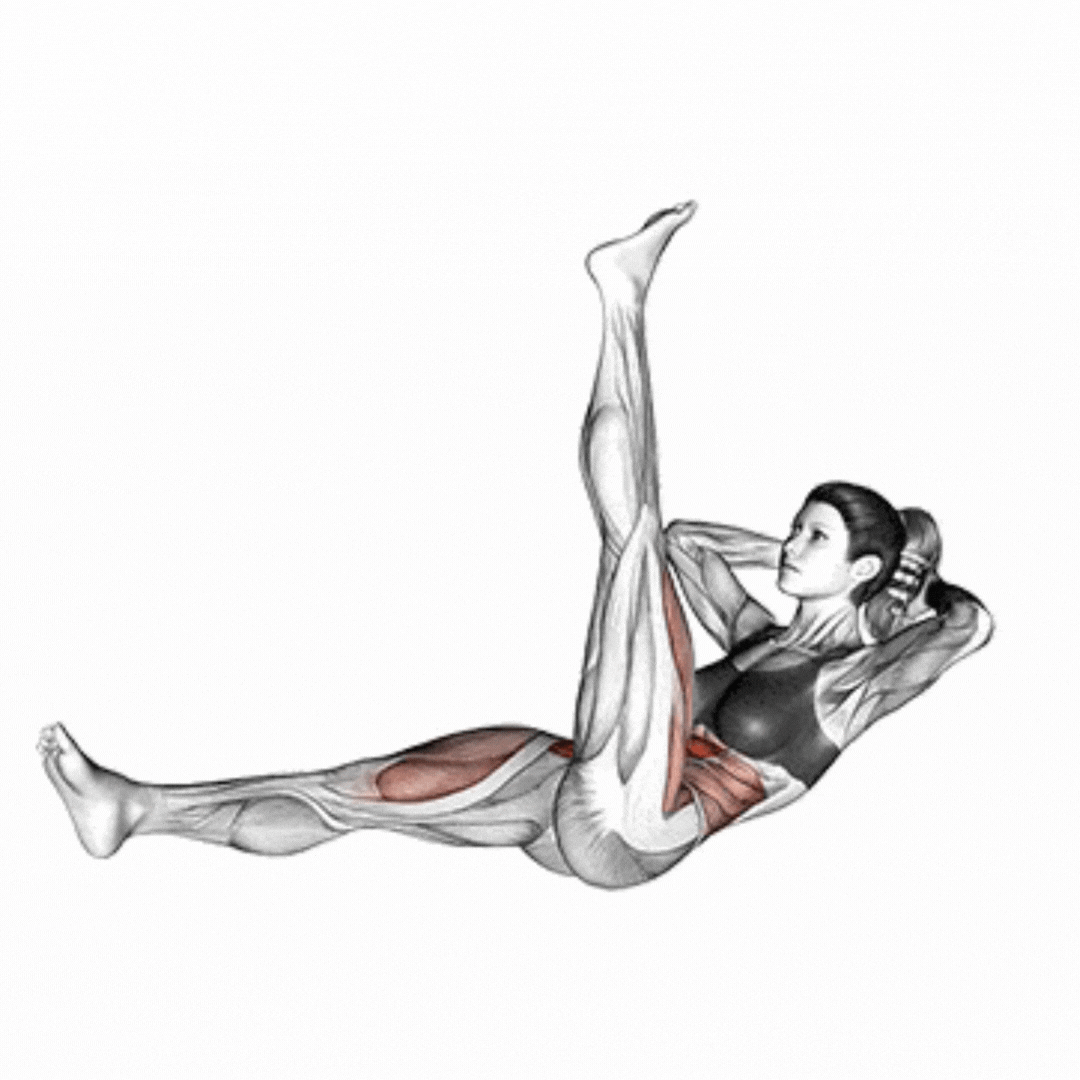
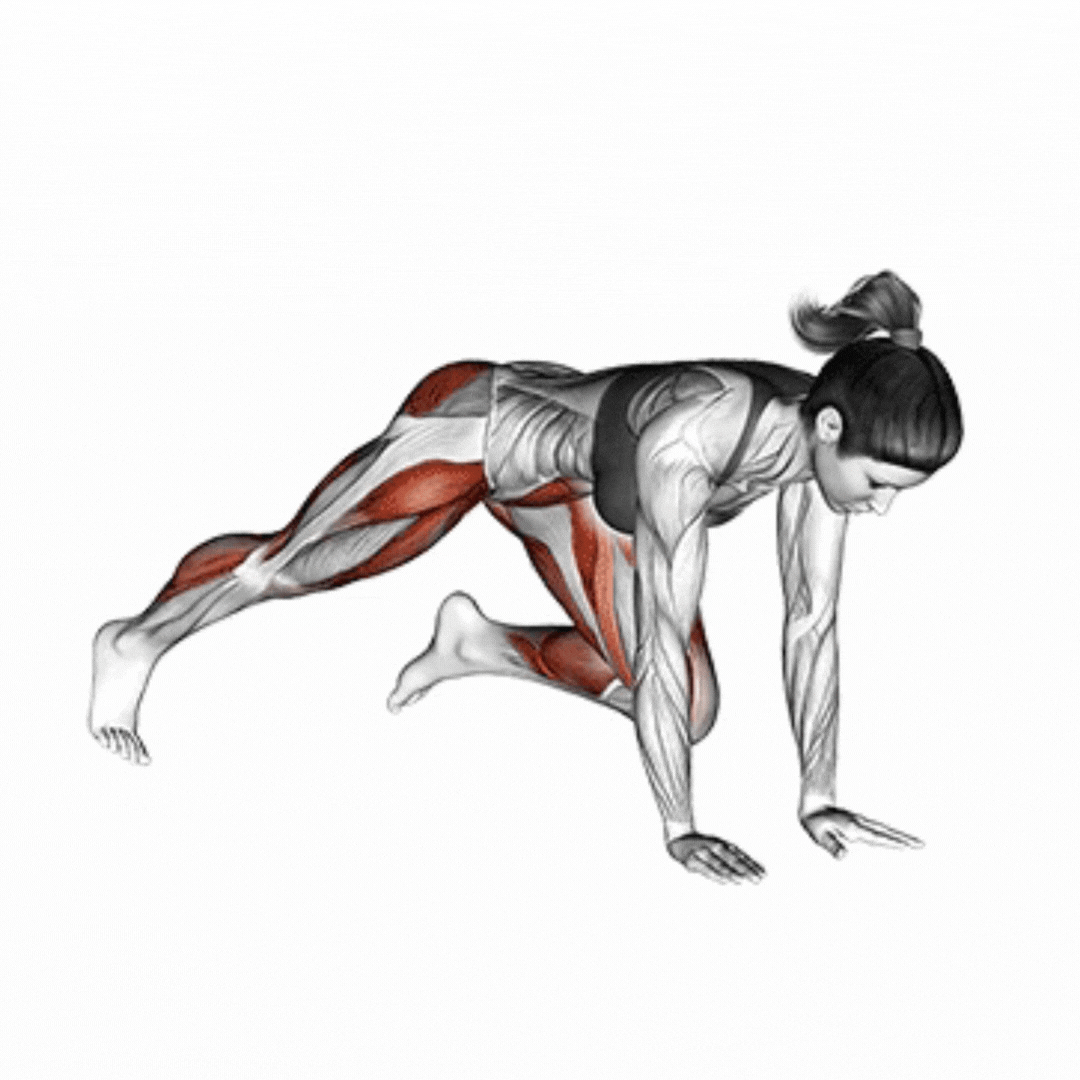
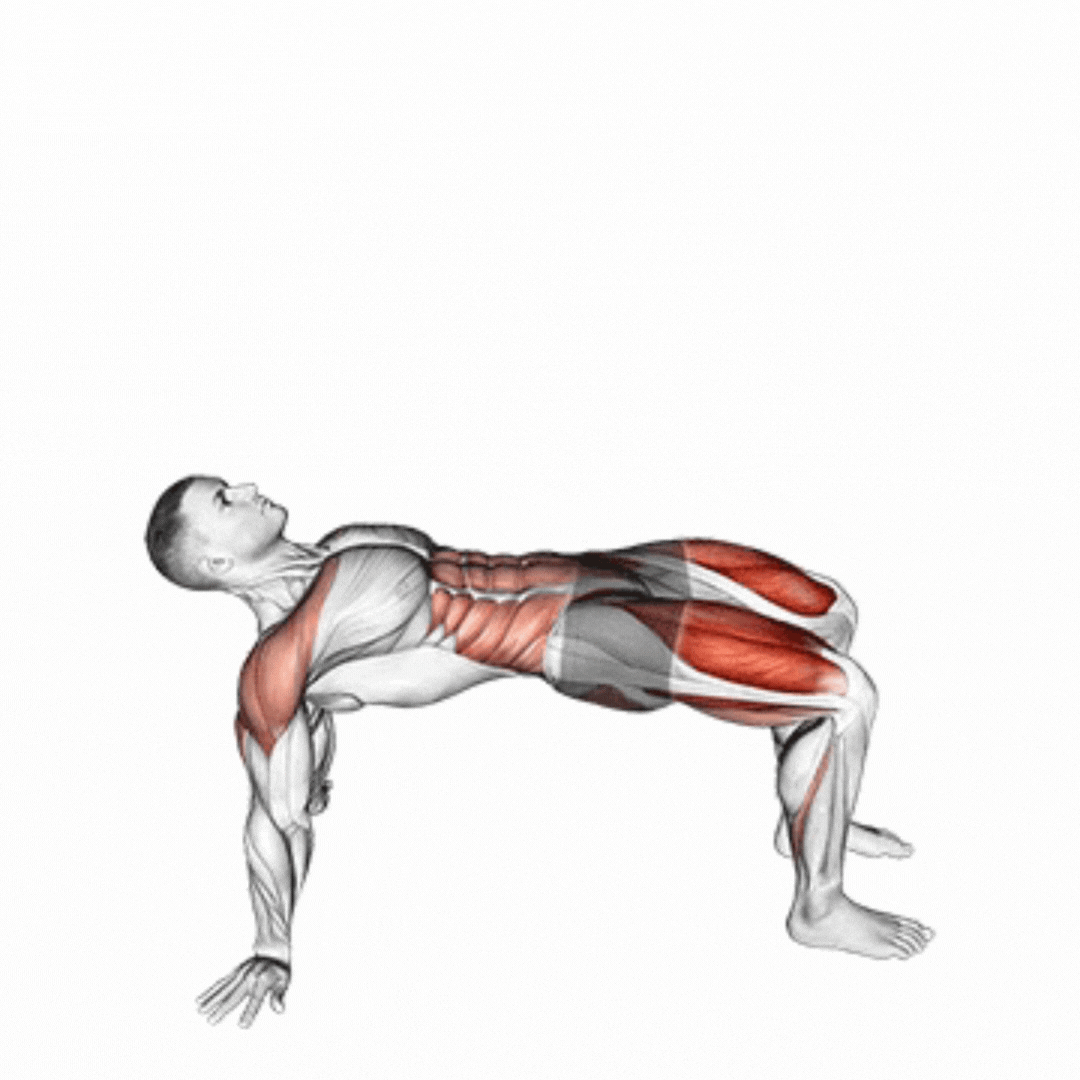
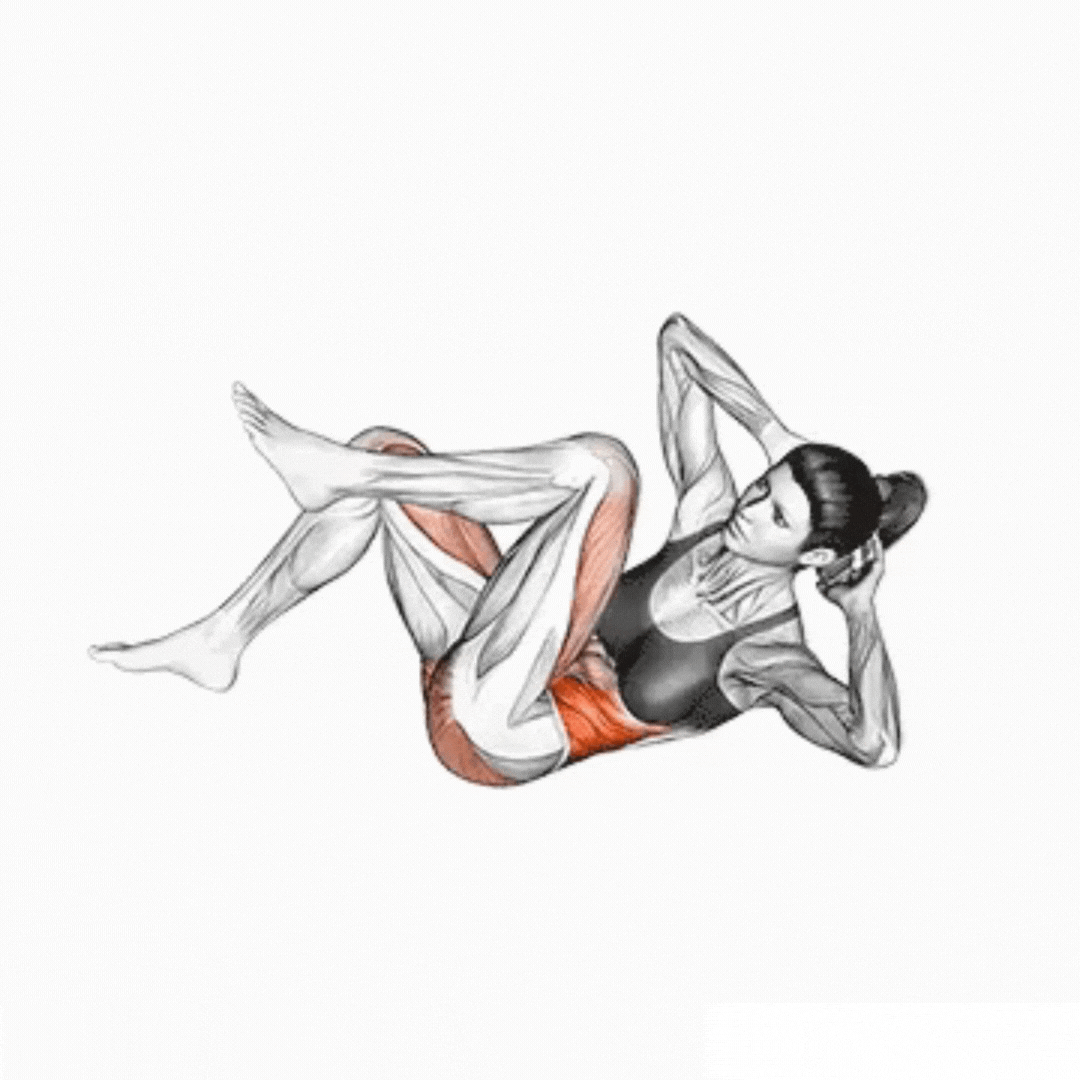
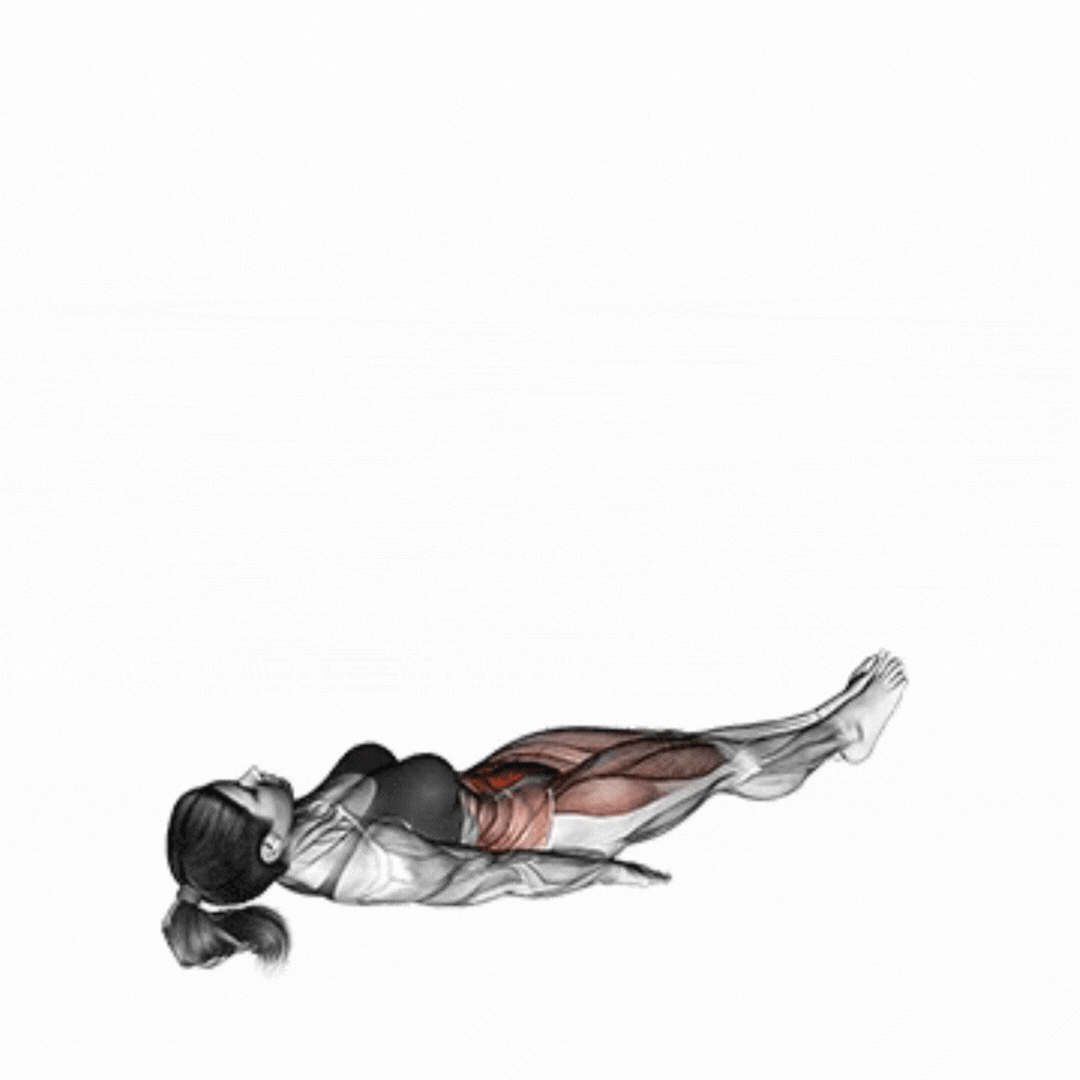
- ✓Intensely works the oblique muscles.
- ✓Increases lateral abdominal definition.
- ✓Improves rotational strength.
- ✓Increases core endurance.
- ✓Contributes to athletic performance (golf, tennis, baseball).
- ✓Provides additional resistance to the classic Russian twist.