BifitBifit
HomeExercisesBecome a Coach
Log In
HOMEEXERCISESBECOME A COACHLOG IN

Language

Legal

Terms of UsePrivacy PolicyDelete Account
BifitBifit

A modern and user-friendly mobile app that makes life easier for fitness enthusiasts. Tracking your workouts and progress is our priority.

Quick Links

  • Home
  • Exercises
  • Become a Coach
  • Download · Google Play
  • Download · App Store

Legal

  • Privacy Policy
  • Terms of Use
  • Support
  • Account Deletion

© 2026 Bifit. All rights reserved.

Designed for a healthy lifestyle

HomeExercisesHands In Air Dead Bug

Hands In Air Dead Bug

Abdominals
Abs
Beginner
Isolation
3-4Set
5-8Reps
90sRest
3-1-2-0Tempo
Hands In Air Dead Bug
Animation

Description

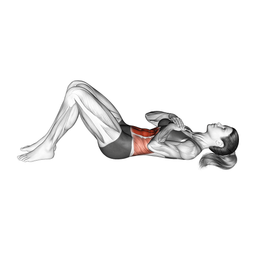
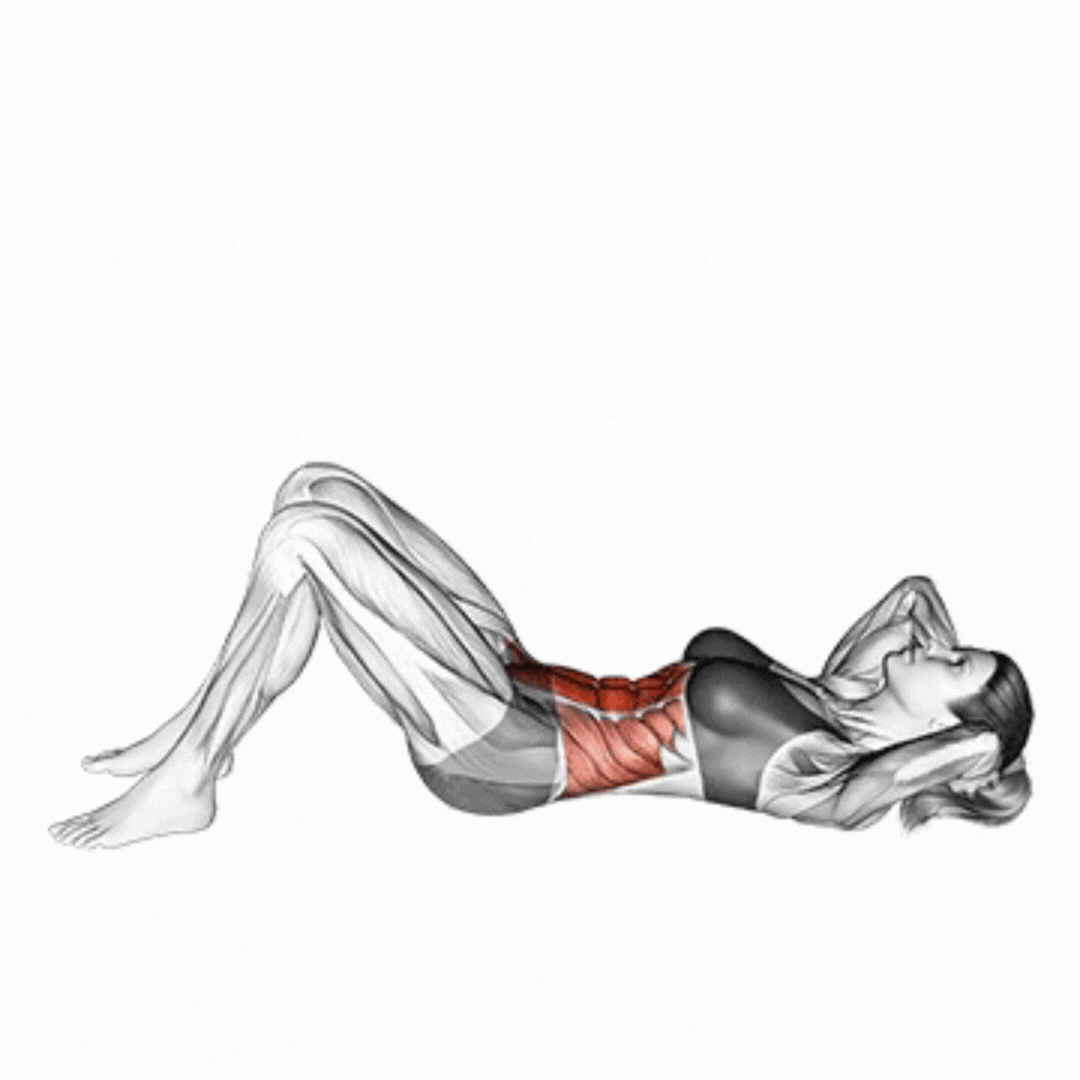
Hands In Air Dead Bug is a core stability exercise performed by keeping the arms stationary in the air and alternately extending the legs while lying on your back. This movement targets the deep abdominal muscles, especially the transversus abdominis and rectus abdominis. As an anti-extension exercise, it teaches you to keep your lower back in a neutral position and supports lower back health. It is a safe movement frequently preferred in physical therapy and rehabilitation programs. It is quite effective in developing coordination and body awareness. It is one of the cornerstones of core training for both beginners and advanced athletes.

Step-by-Step Instructions

  1. 1

    Lie on your back on the floor, extend your arms straight up toward the ceiling and lift your knees in a 90-degree bent position

  2. 2

    Activate your core muscles by pressing your lower back into the ground; this contact must be maintained throughout the movement

  3. 3

    Exhaling, slowly extend one leg forward, keeping your heel hovering above the ground without touching it

  4. 4

    Return your leg to the starting position in a controlled manner and perform the same movement with the other leg

  5. 5

    Your arms should remain stationary toward the ceiling throughout the movement and your shoulders should not lift off the ground

  6. 6

    Perform the movement slowly and in a controlled manner; if your lower back lifts off the ground, reduce the range of motion

Key Points

  • ✓Lie on your back, arms perpendicular to ceiling, knees bent 90 degrees
  • ✓Extend opposite arm and leg simultaneously, others remain stable
  • ✓Lower back region should be stuck to the ground, throughout the movement
  • ✓Perform movements slowly and in a controlled manner, balance is important

Common Mistakes

  • ✗Lifting the lower back off the ground - core stabilization is lost
  • ✗Moving too quickly - coordination and control decrease
  • ✗Lowering the leg completely to the ground - constant tension is lost
  • ✗Moving the hands - shoulder stability is disrupted

Breathing

Exhale as you extend your arm and leg, inhale as you return to the starting position. Breathe regularly to keep core muscles active.

Muscle Activation

abs0%
hip flexors0%
lower back0%

Safety

Precautions

  • Those with herniated discs should limit range of motion
  • Those with low shoulder flexibility may not be able to raise arms fully up
  • Those with neck pain should pay attention to head position
  • In pregnant women, supine exercises should be performed carefully in the final months

Safety Tips

  • Press your lower back completely into the ground, don't move it
  • As you raise your arms up, press your shoulders into the ground
  • Perform the movement with breath control, extend while exhaling
  • Limit the range of motion to the extent that your lower back feels comfortable

Frequently Asked Questions

Which muscles does Hands In Air Dead Bug work?

Hands In Air Dead Bug primarily works these muscles: Abdominals. It also engages: Hip flexors, Lower back.

Is Hands In Air Dead Bug suitable for beginners?

Hands In Air Dead Bug is a Beginner level exercise. Learning difficulty: Easy.

Can Hands In Air Dead Bug be done at home?

Yes, Hands In Air Dead Bug can easily be done at home.

What are common mistakes when doing Hands In Air Dead Bug?

One of the most common mistakes: Lifting the lower back off the ground - core stabilization is lost

How many sets and reps for Hands In Air Dead Bug?

Recommended: 3-4 sets and 5-8 reps.
Related Exercises

Exercises targeting similar muscle groups

Abdominals Exercises
Long Arm Crunch

Long Arm Crunch

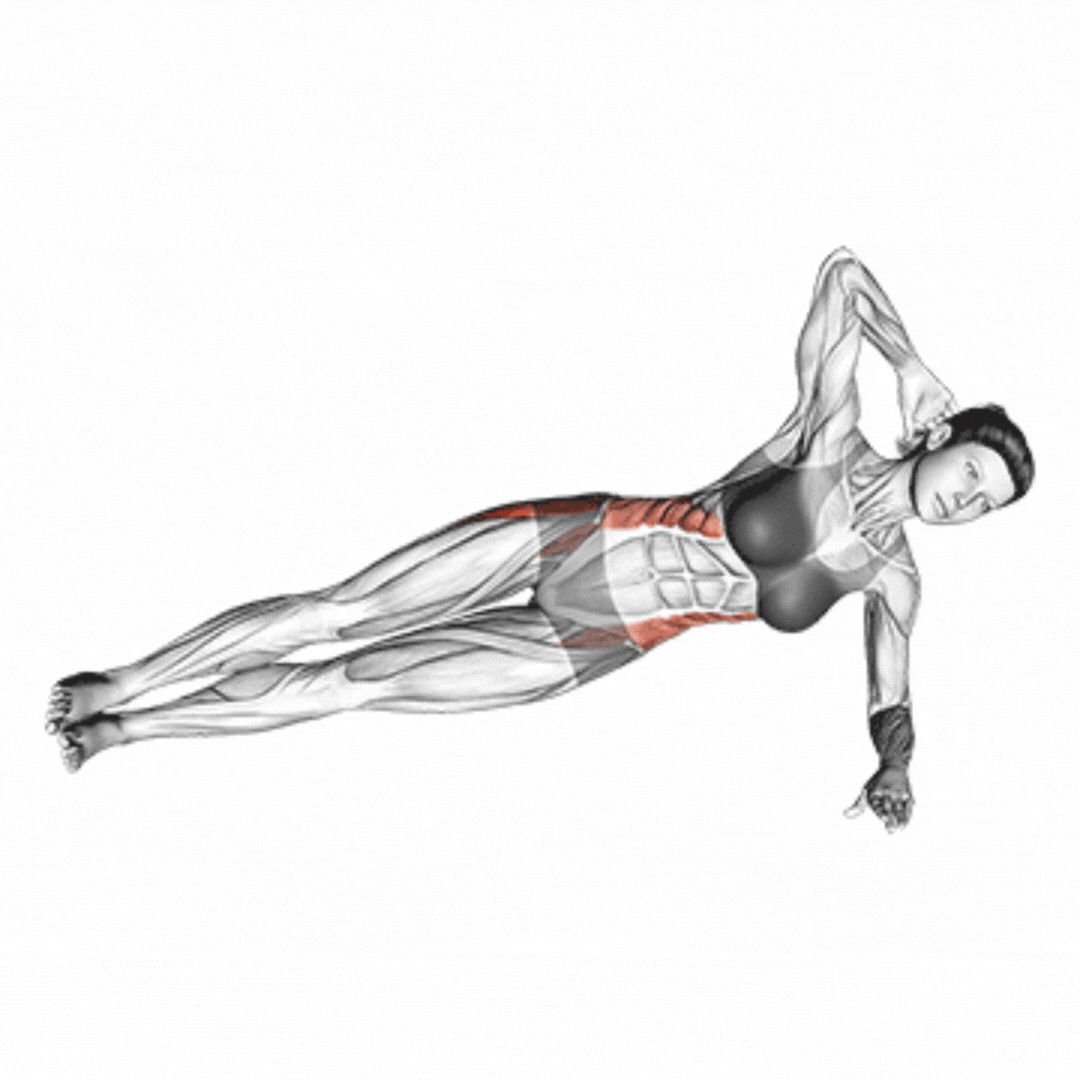
Upper Abs

Figure-Four Crunch

Figure-Four Crunch

Obliques

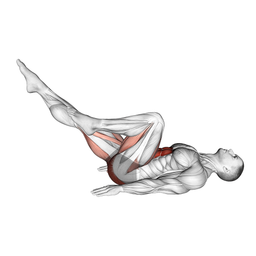
Seated Flutter Kick

Seated Flutter Kick

Lower Abs

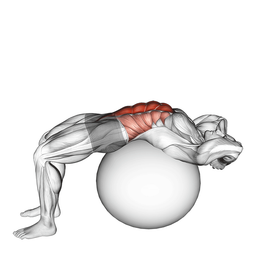
Frog Crunches

Frog Crunches

Upper Abs

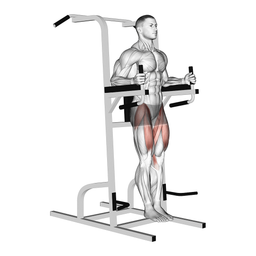
Alternate Leg Raises

Alternate Leg Raises

Lower Abs

Mountain Climber

Mountain Climber

Lower Abs

Exercise Information

DifficultyBeginner
Movement TypeIsolation
FocusStrength
Injury RiskLow
Set3-4
Reps5-8
Rest90 seconds
Tempo3-1-2-0
Spotter RequiredNo
Home / Gym
YesYes
Effectiveness4.3 / 5
Popularity5.9 / 10
Learning DifficultyEasy

Equipment

bodyweight

Primary Muscles

Abdominals

Secondary Muscles

Hip flexorsLower back

Benefits

  • ✓Strengthens deep core muscles
  • ✓Helps prevent lower back pain
  • ✓Increases abdominal and pelvic floor stabilization
  • ✓Improves functional movement quality

Goals

StrengthMuscle Gain
Back to All Exercises
Hands In Air Dead Bug
Animation

Description

Hands In Air Dead Bug is a core stability exercise performed by keeping the arms stationary in the air and alternately extending the legs while lying on your back. This movement targets the deep abdominal muscles, especially the transversus abdominis and rectus abdominis. As an anti-extension exercise, it teaches you to keep your lower back in a neutral position and supports lower back health. It is a safe movement frequently preferred in physical therapy and rehabilitation programs. It is quite effective in developing coordination and body awareness. It is one of the cornerstones of core training for both beginners and advanced athletes.

Step-by-Step Instructions

  1. 1

    Lie on your back on the floor, extend your arms straight up toward the ceiling and lift your knees in a 90-degree bent position

  2. 2

    Activate your core muscles by pressing your lower back into the ground; this contact must be maintained throughout the movement

  3. 3

    Exhaling, slowly extend one leg forward, keeping your heel hovering above the ground without touching it

  4. 4

    Return your leg to the starting position in a controlled manner and perform the same movement with the other leg

  5. 5

    Your arms should remain stationary toward the ceiling throughout the movement and your shoulders should not lift off the ground

  6. 6

    Perform the movement slowly and in a controlled manner; if your lower back lifts off the ground, reduce the range of motion

Key Points

  • ✓Lie on your back, arms perpendicular to ceiling, knees bent 90 degrees
  • ✓Extend opposite arm and leg simultaneously, others remain stable
  • ✓Lower back region should be stuck to the ground, throughout the movement
  • ✓Perform movements slowly and in a controlled manner, balance is important

Common Mistakes

  • ✗Lifting the lower back off the ground - core stabilization is lost
  • ✗Moving too quickly - coordination and control decrease
  • ✗Lowering the leg completely to the ground - constant tension is lost
  • ✗Moving the hands - shoulder stability is disrupted

Breathing

Exhale as you extend your arm and leg, inhale as you return to the starting position. Breathe regularly to keep core muscles active.

Back to All Exercises

Related Exercises

Exercises targeting similar muscle groups

Abdominals Exercises
Long Arm Crunch

Long Arm Crunch

Upper Abs

Figure-Four Crunch

Figure-Four Crunch

Obliques

Seated Flutter Kick

Seated Flutter Kick

Lower Abs

Frog Crunches

Frog Crunches

Upper Abs

Alternate Leg Raises

Alternate Leg Raises

Lower Abs

Mountain Climber

Mountain Climber

Lower Abs