BifitBifit
HomeExercisesBecome a Coach
Log In
HOMEEXERCISESBECOME A COACHLOG IN

Language

Legal

Terms of UsePrivacy PolicyDelete Account
BifitBifit

A modern and user-friendly mobile app that makes life easier for fitness enthusiasts. Tracking your workouts and progress is our priority.

Quick Links

  • Home
  • Exercises
  • Become a Coach
  • Download · Google Play
  • Download · App Store

Legal

  • Privacy Policy
  • Terms of Use
  • Support
  • Account Deletion

© 2026 Bifit. All rights reserved.

Designed for a healthy lifestyle

HomeExercisesDumbbell Walking Lunge

Dumbbell Walking Lunge

Legs
Quads
Intermediate
Compound
3-4Set
10-15 adım/bacakReps
75sRest
2-1-1-0Tempo
Dumbbell Walking Lunge
Animation

Description

The Dumbbell Walking Lunge is a dynamic compound movement performed by walking forward and dropping into a lunge position with each step. Unlike the classic stationary lunge, it is executed with forward progression, which requires maximum coordination and balance. It intensely targets the quadriceps, gluteus maximus, and hamstrings. At the same time, it is a highly functional exercise as it involves a pattern close to walking mechanics. The use of dumbbells adds load to increase the hypertrophy effect while also developing grip strength. Since it can elevate the heart rate, it is ideal for both strength and cardiovascular endurance. For athletes, it directly enhances performance in sprinting, soccer, basketball, and sports requiring changes of direction. It is a practical exercise as it can be done on the street or in any wide open space.

Step-by-Step Instructions

  1. 1

    Hold a dumbbell in each hand by your sides with your palms facing your body.

  2. 2

    Start in an upright stance with your feet shoulder-width apart.

  3. 3

    Keep your torso upright, pull your shoulders back, and brace your core.

  4. 4

    Take a long step forward with your right foot.

  5. 5

    Lower yourself by bending your right knee; your left knee should approach the floor.

  6. 6

    Descend until your right thigh is parallel to the floor.

  7. 7

    Push up through your right heel and bring your left leg forward to take a new step.

  8. 8

    Repeat the same movement with your left foot, thus lunging by walking forward.

  9. 9

    Complete the designated number of repetitions or distance.

Key Points

  • ✓Steps should be long and controlled.
  • ✓The torso must be kept upright; do not lean forward.
  • ✓The front knee should track in the same direction as the toes and not cave inward.
  • ✓Push up by driving through the heel.
  • ✓The movement flow should be smooth; avoid swaying.
  • ✓Dumbbells should be held steady at your sides.

Common Mistakes

  • ✗Taking too short of a step - causes excessive knee flexion and joint stress.
  • ✗Letting the front knee cave inward - increases injury risk.
  • ✗Leaning the torso too far forward - strains the lower back.
  • ✗Walking too fast - compromises balance and form.
  • ✗Swinging the dumbbells - leads to a loss of control.
  • ✗Inadequate range of motion - prevents full muscle engagement.

Breathing

Inhale and brace your core as you lower yourself, and exhale as you push up and step forward.

Muscle Activation

quads0%
glutes0%
gluteus medius0%
hamstrings0%
core0%
forearms0%
adductors0%
calves0%

Safety

Precautions

  • Those with acute knee injuries should be cautious.
  • Individuals with balance issues should start with stationary lunges.
  • Those with acute lower back pain must pay close attention to form control.
  • People with hip joint conditions should exercise caution.

Safety Tips

  • Learn the walking lunge without dumbbells first.
  • Ensure you have enough space (10-15 meters).
  • Start with light dumbbells.
  • Perform on a smooth and flat surface.
  • Stop and rest if your form breaks down.
  • Limit your range of motion if you experience knee pain.

Frequently Asked Questions

Which muscles does Dumbbell Walking Lunge work?

Dumbbell Walking Lunge primarily works these muscles: Quadriceps, Gluteus maximus. It also engages: Hamstring, Gluteus medius, Adductor, Core kasları, Kalf, Ön kol.

Is Dumbbell Walking Lunge suitable for beginners?

Dumbbell Walking Lunge is a Intermediate level exercise. Learning difficulty: Moderate.

Can Dumbbell Walking Lunge be done at home?

Yes, Dumbbell Walking Lunge can easily be done at home.

What are common mistakes when doing Dumbbell Walking Lunge?

One of the most common mistakes: Taking too short of a step - causes excessive knee flexion and joint stress.

How many sets and reps for Dumbbell Walking Lunge?

Recommended: 3-4 sets and 10-15 adım/bacak reps.
Related Exercises

Exercises targeting similar muscle groups

Legs Exercises
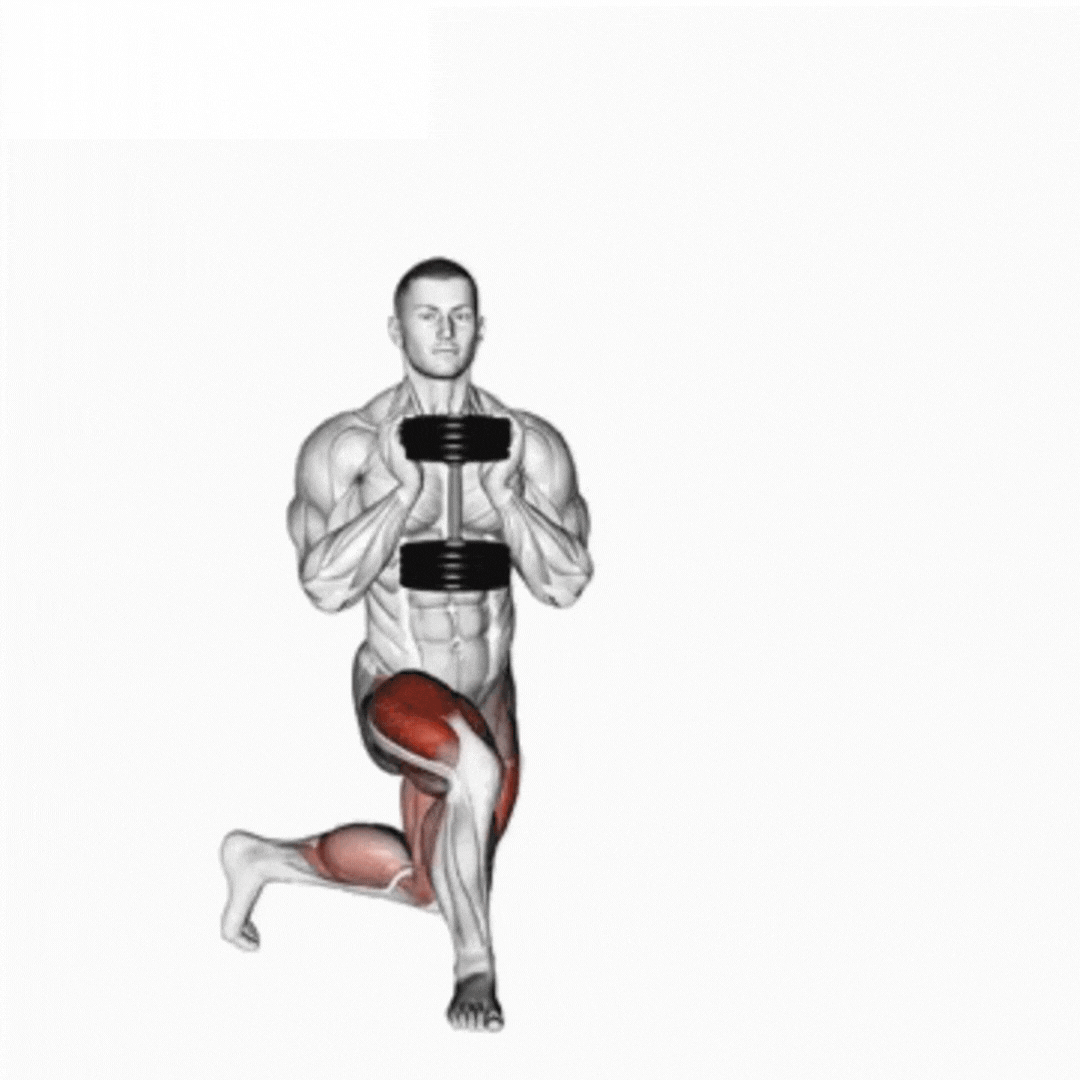
Dumbbell Goblet Curtsey Lunge

Dumbbell Goblet Curtsey Lunge

Quads

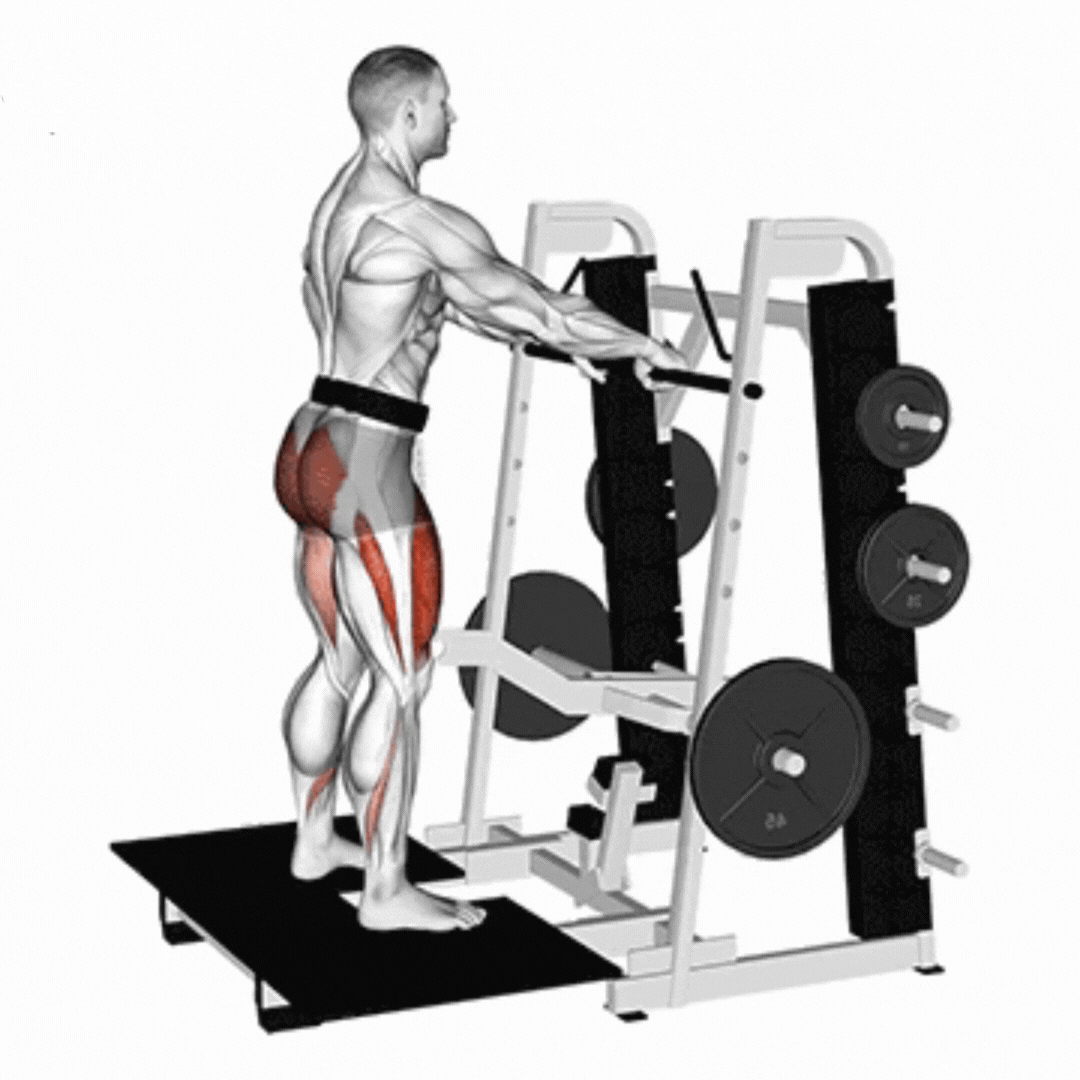
Belt Squat

Belt Squat

Quads

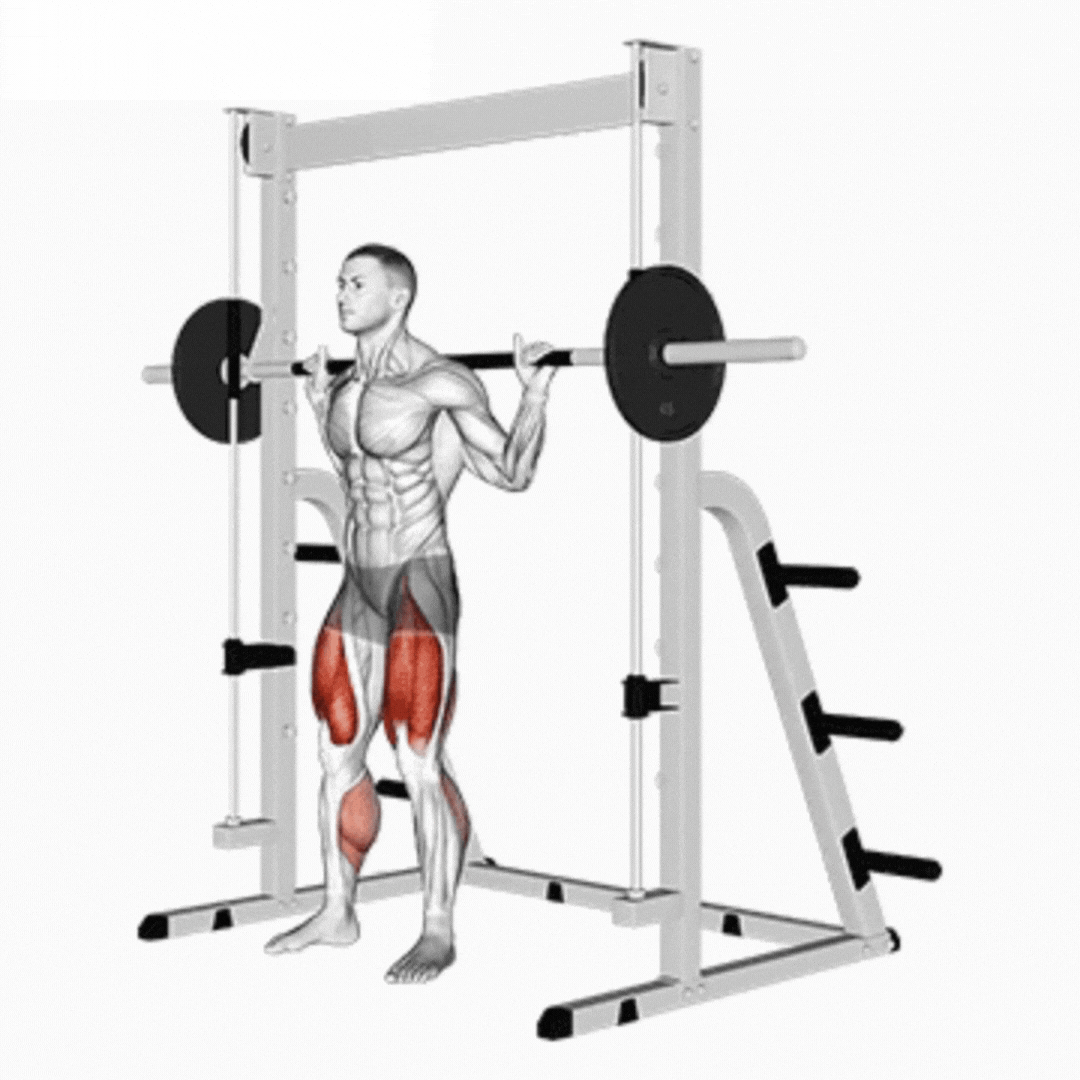
Smith Machine Squat

Smith Machine Squat

Quads

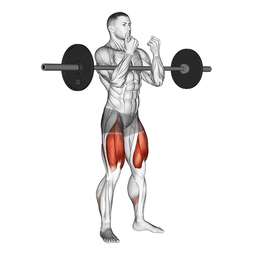
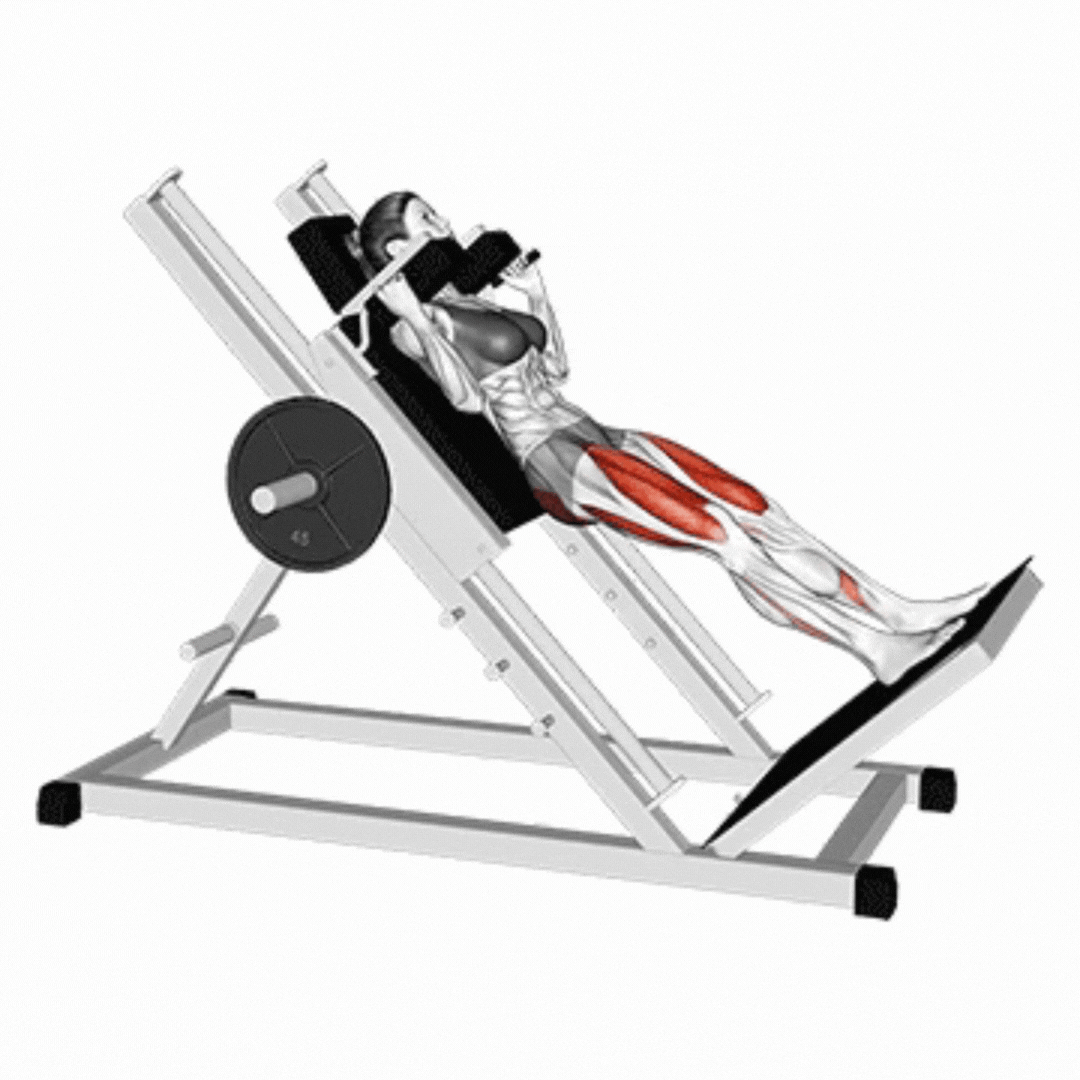
Hack Squat Musculature

Hack Squat Musculature

Quads

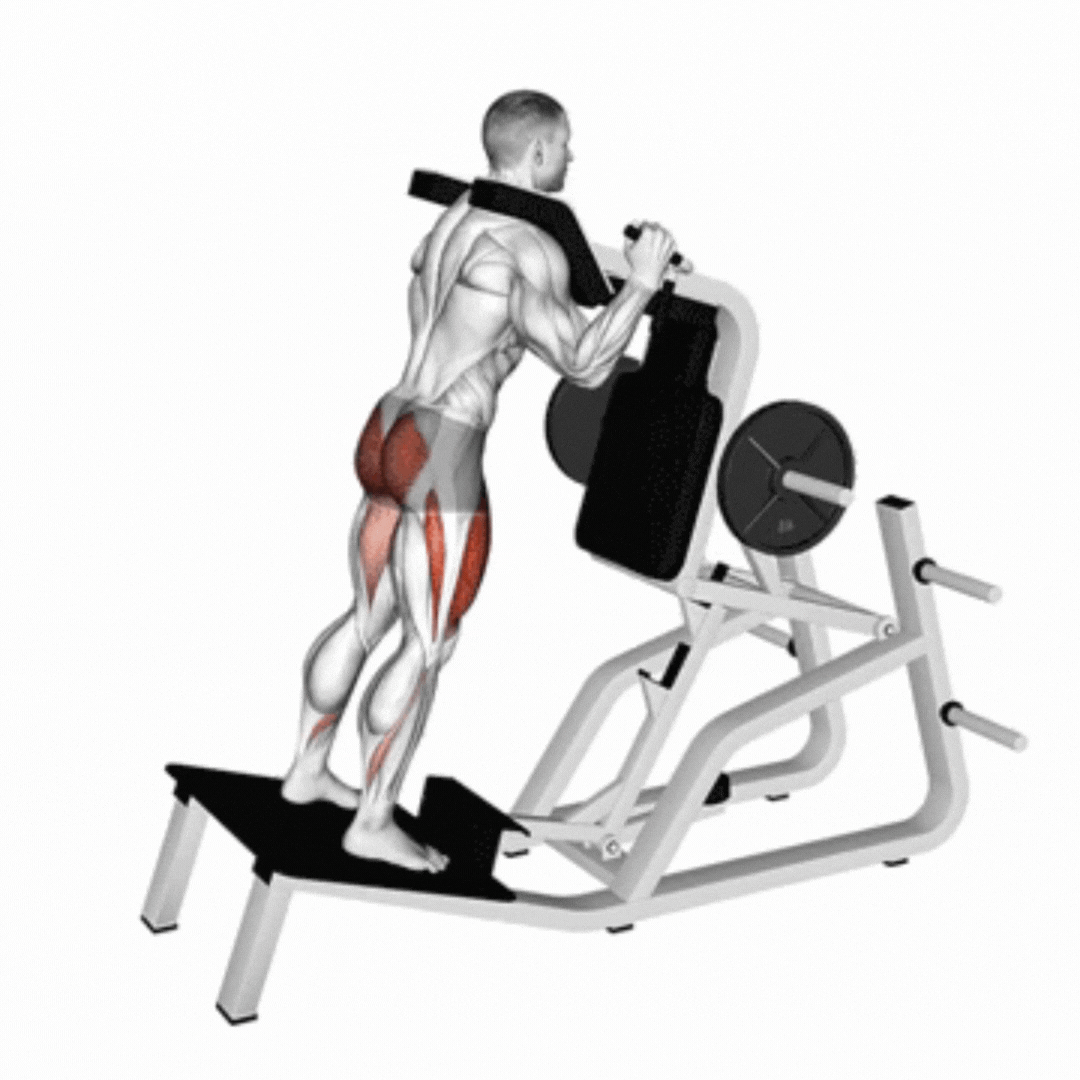
Reverse Hack Squat

Reverse Hack Squat

Hamstrings

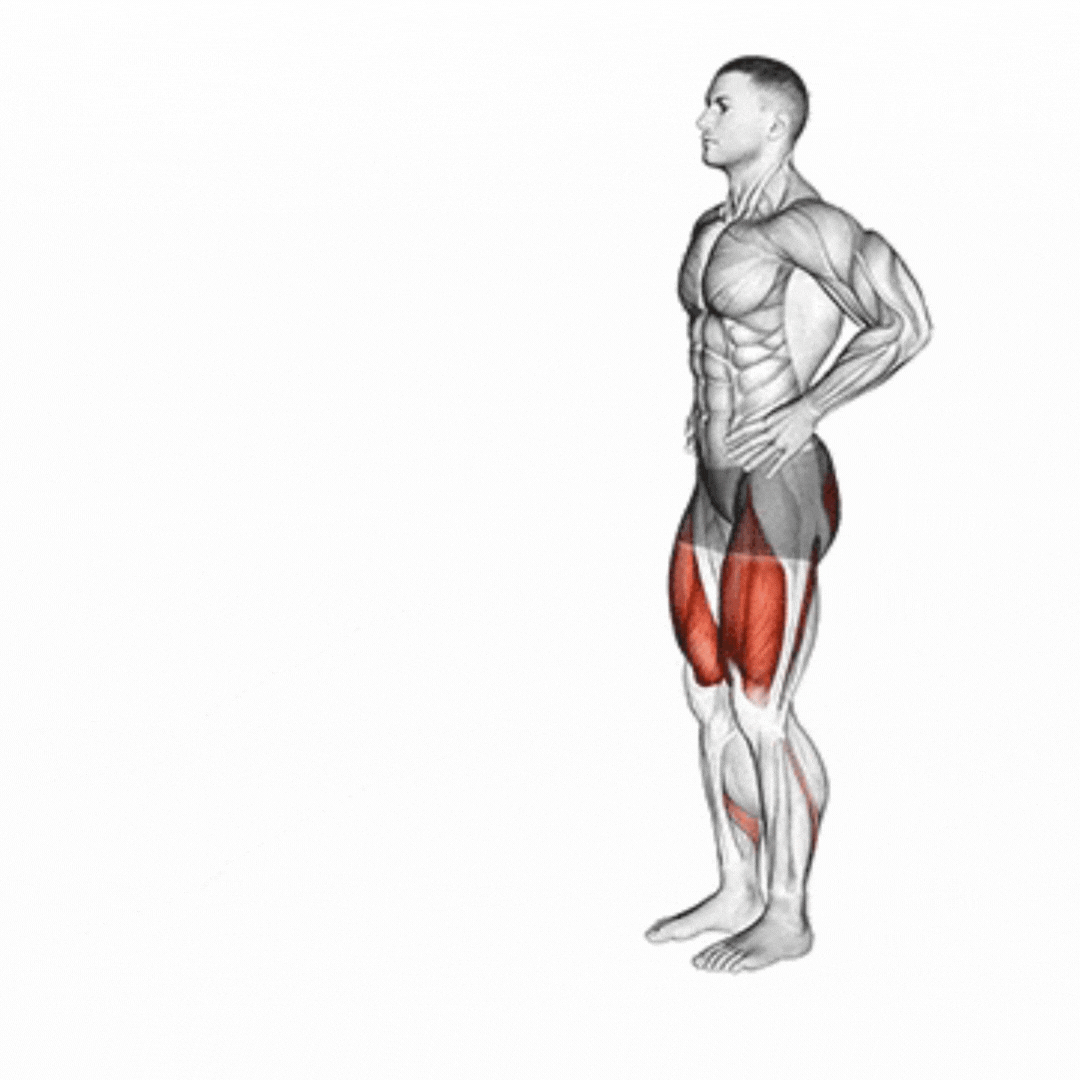
Bodyweight Lunge

Bodyweight Lunge

Quads

Exercise Information

DifficultyIntermediate
Movement TypeCompound
FocusHypertrophy
Injury RiskMedium
Set3-4
Reps10-15 adım/bacak
Rest75 seconds
Tempo2-1-1-0
Spotter RequiredNo
Home / Gym
YesYes
Effectiveness4.4 / 5
Popularity8.0 / 10
Learning DifficultyModerate

Equipment

dumbbell

Primary Muscles

QuadricepsGluteus maximus

Secondary Muscles

HamstringGluteus mediusAdductorCore kaslarıKalfÖn kol

Benefits

  • ✓Dynamically develops the quadriceps and glutes.
  • ✓Strengthens walking and functional movement mechanics.
  • ✓Significantly improves balance and coordination.
  • ✓Increases cardiovascular endurance.
  • ✓Corrects unilateral muscle imbalances.
  • ✓Boosts calorie burn.
  • ✓Directly improves athletic performance.
  • ✓Provides loading flexibility with dumbbells.

Goals

Muscle GainStrengthFat Loss
Back to All Exercises
Dumbbell Walking Lunge
Animation

Description

The Dumbbell Walking Lunge is a dynamic compound movement performed by walking forward and dropping into a lunge position with each step. Unlike the classic stationary lunge, it is executed with forward progression, which requires maximum coordination and balance. It intensely targets the quadriceps, gluteus maximus, and hamstrings. At the same time, it is a highly functional exercise as it involves a pattern close to walking mechanics. The use of dumbbells adds load to increase the hypertrophy effect while also developing grip strength. Since it can elevate the heart rate, it is ideal for both strength and cardiovascular endurance. For athletes, it directly enhances performance in sprinting, soccer, basketball, and sports requiring changes of direction. It is a practical exercise as it can be done on the street or in any wide open space.

Step-by-Step Instructions

  1. 1

    Hold a dumbbell in each hand by your sides with your palms facing your body.

  2. 2

    Start in an upright stance with your feet shoulder-width apart.

  3. 3

    Keep your torso upright, pull your shoulders back, and brace your core.

  4. 4

    Take a long step forward with your right foot.

  5. 5

    Lower yourself by bending your right knee; your left knee should approach the floor.

  6. 6

    Descend until your right thigh is parallel to the floor.

  7. 7

    Push up through your right heel and bring your left leg forward to take a new step.

  8. 8

    Repeat the same movement with your left foot, thus lunging by walking forward.

  9. 9

    Complete the designated number of repetitions or distance.

Key Points

  • ✓Steps should be long and controlled.
  • ✓The torso must be kept upright; do not lean forward.
  • ✓The front knee should track in the same direction as the toes and not cave inward.
  • ✓Push up by driving through the heel.
  • ✓The movement flow should be smooth; avoid swaying.
  • ✓Dumbbells should be held steady at your sides.

Common Mistakes

  • ✗Taking too short of a step - causes excessive knee flexion and joint stress.
  • ✗Letting the front knee cave inward - increases injury risk.
  • ✗Leaning the torso too far forward - strains the lower back.
  • ✗Walking too fast - compromises balance and form.
  • ✗Swinging the dumbbells - leads to a loss of control.
  • ✗Inadequate range of motion - prevents full muscle engagement.

Breathing

Inhale and brace your core as you lower yourself, and exhale as you push up and step forward.

Back to All Exercises

Related Exercises

Exercises targeting similar muscle groups

Legs Exercises
Dumbbell Goblet Curtsey Lunge

Dumbbell Goblet Curtsey Lunge

Quads

Belt Squat

Belt Squat

Quads

Smith Machine Squat

Smith Machine Squat

Quads

Hack Squat Musculature

Hack Squat Musculature

Quads

Reverse Hack Squat

Reverse Hack Squat

Hamstrings

Bodyweight Lunge

Bodyweight Lunge

Quads