BifitBifit
HomeExercisesBecome a Coach
Log In
HOMEEXERCISESBECOME A COACHLOG IN

Language

Legal

Terms of UsePrivacy PolicyDelete Account
BifitBifit

A modern and user-friendly mobile app that makes life easier for fitness enthusiasts. Tracking your workouts and progress is our priority.

Quick Links

  • Home
  • Exercises
  • Become a Coach
  • Download · Google Play
  • Download · App Store

Legal

  • Privacy Policy
  • Terms of Use
  • Support
  • Account Deletion

© 2026 Bifit. All rights reserved.

Designed for a healthy lifestyle

HomeExercisesDumbbell Swing

Dumbbell Swing

Glutes
Glutes
Intermediate
Compound
3-5Set
10-20Reps
60sRest
1-0-1-0Tempo
Dumbbell Swing
Animation

Description

The Dumbbell Swing is the dumbbell version of the kettlebell swing and is a dynamic compound movement that works the entire posterior chain through an explosive hip hinge. Targeting the glutes, hamstrings, lower back, core, and shoulders simultaneously, this exercise is ideal for both strength and cardiovascular endurance. Thanks to its explosive nature, it activates Type-2 muscle fibers and is excellent for developing athletic power. It also provides high calorie burn and improves functional athleticism. It can be easily performed with a dumbbell when a kettlebell is not available, making it a practical option for home workouts. It is frequently used in CrossFit, HIIT workouts, and metabolic conditioning programs.

Step-by-Step Instructions

  1. 1

    Stand with your feet slightly wider than shoulder-width apart, gripping the dumbbell vertically with both hands

  2. 2

    Start with the dumbbell between your legs and your arms fully extended

  3. 3

    Hinge at the hips by pushing your glutes back and swing the dumbbell backward between your legs

  4. 4

    Keep your knees slightly bent, back straight, and chest up

  5. 5

    Drive your hips forward with an explosive hip extension and swing the dumbbell up to shoulder level

  6. 6

    Keep your arms passive; the power for the movement should come entirely from your hips

  7. 7

    Squeeze your glutes at the top of the movement, keeping your torso upright

  8. 8

    As gravity pulls the dumbbell back down, push your hips back again to repeat the hinge movement

Key Points

  • ✓The movement must come from a hip hinge, not a squat
  • ✓Your back must remain straight at all times and should never round
  • ✓Your arms should be completely passive; it is the hip power that lifts the dumbbell
  • ✓The dumbbell should rise to shoulder level at the top of the movement
  • ✓Maintain a tempo of explosive on the way up and controlled on the way down

Common Mistakes

  • ✗Rounding the back - a serious risk for lower back injury
  • ✗Squatting - bending the knees too much ruins the movement
  • ✗Pulling with the arms - works the shoulders instead of the hips, breaking the form
  • ✗Swinging the dumbbell too high - creates a risk of shoulder injury
  • ✗Not gripping the dumbbell tightly - creates a risk of dropping it

Breathing

Inhale as you swing the dumbbell backward, and exhale forcefully during the explosive hip extension. A rhythmic breathing pattern adapts to the flow of the movement.

Muscle Activation

glutes0%
hamstrings0%
lower back0%
core0%
forearms0%
shoulders0%
traps0%

Safety

Precautions

  • Individuals with acute lower back pain or a herniated disc should avoid this exercise
  • Those with disc problems must get medical clearance
  • Individuals with shoulder injuries should limit the range of motion
  • Patients with high blood pressure should avoid explosive movements
  • Pregnant women should not perform this exercise

Safety Tips

  • Grip the dumbbell tightly with both hands; do not hold it loosely
  • Ensure you have enough clear space around you
  • Practice the form with a light weight first, then increase the weight
  • Never lift the dumbbell overhead; shoulder level is sufficient
  • Stop when you are fatigued; do not continue with compromised form

Frequently Asked Questions

Which muscles does Dumbbell Swing work?

Dumbbell Swing primarily works these muscles: Gluteus maximus, Hamstring. It also engages: Alt sırt, Core kasları, Omuz, Trapez, Ön kol.

Is Dumbbell Swing suitable for beginners?

Dumbbell Swing is a Intermediate level exercise. Learning difficulty: Moderate.

Can Dumbbell Swing be done at home?

Yes, Dumbbell Swing can easily be done at home.

What are common mistakes when doing Dumbbell Swing?

One of the most common mistakes: Rounding the back - a serious risk for lower back injury

How many sets and reps for Dumbbell Swing?

Recommended: 3-5 sets and 10-20 reps.
Related Exercises

Exercises targeting similar muscle groups

Glutes Exercises
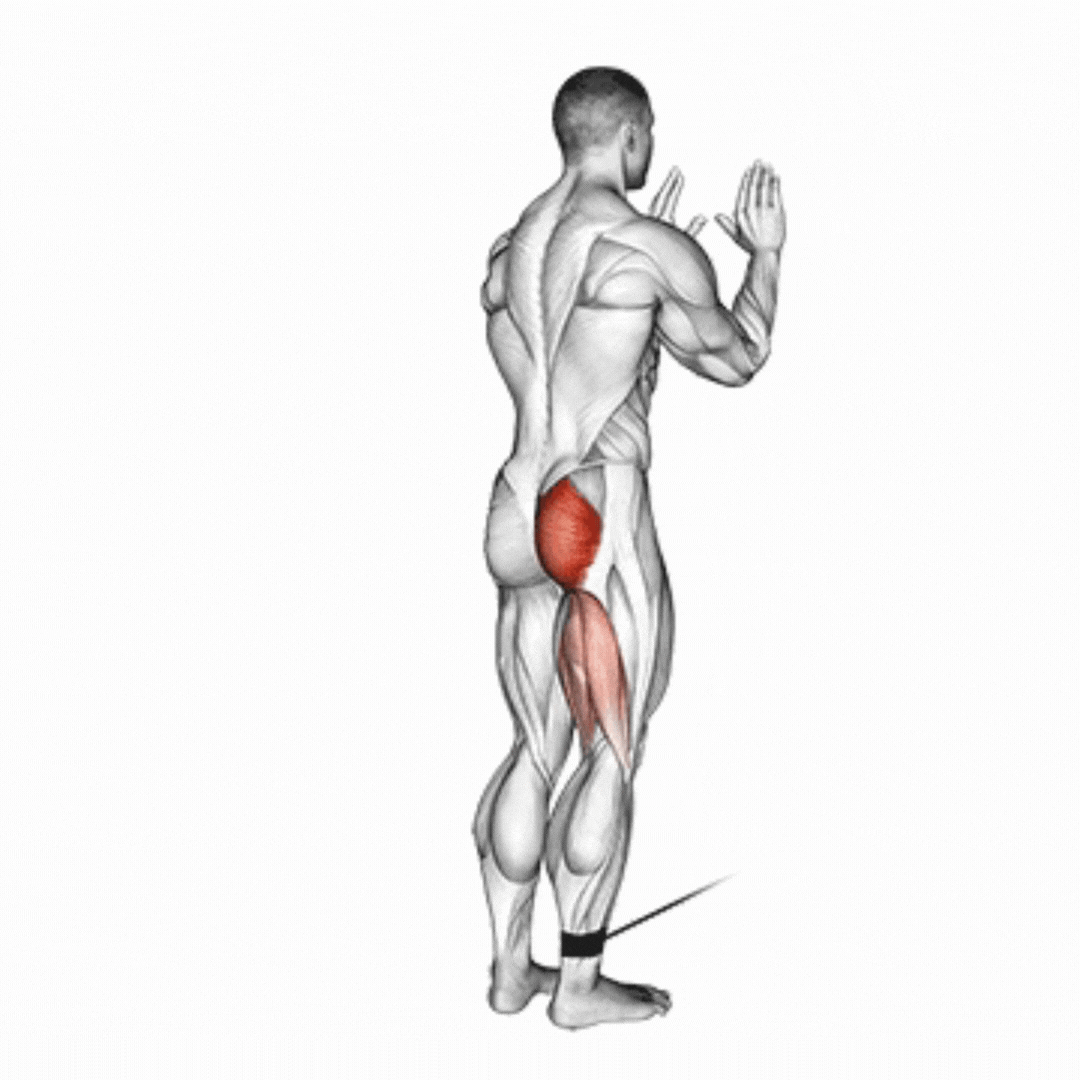
Band Standing Hip Extension

Band Standing Hip Extension

Glutes

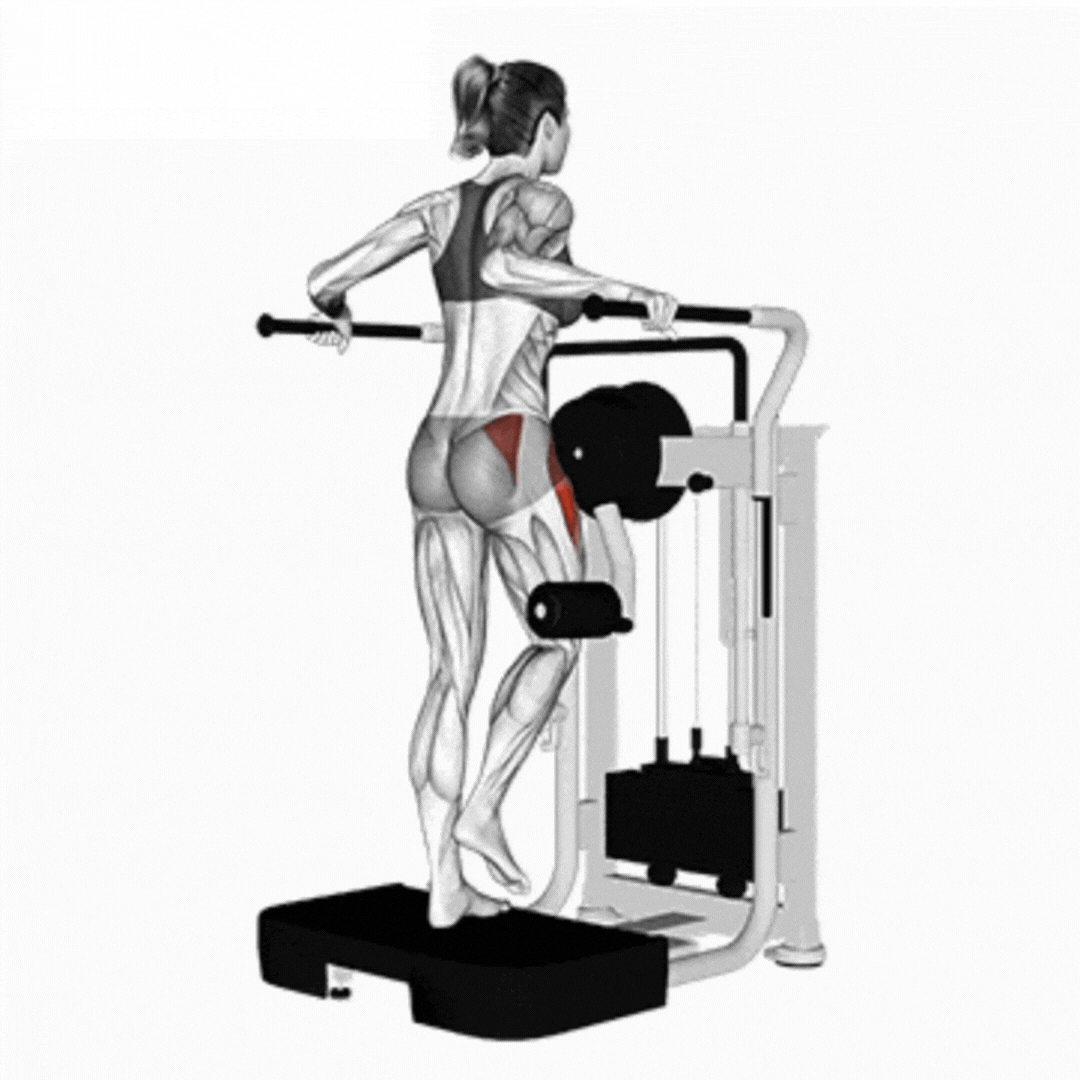
Lever Standing Hip Extension

Lever Standing Hip Extension

Glutes

Glute Kickback Machine

Glute Kickback Machine

Glutes

Bent Leg Kickbacks

Bent Leg Kickbacks

Glutes

Cable Donkey Kickback

Cable Donkey Kickback

Glutes

Cable Hip Abduction

Cable Hip Abduction

Glutes

Exercise Information

DifficultyIntermediate
Movement TypeCompound
FocusPower
Injury RiskMedium
Set3-5
Reps10-20
Rest60 seconds
Tempo1-0-1-0
Spotter RequiredNo
Home / Gym
YesYes
Effectiveness4.3 / 5
Popularity7.2 / 10
Learning DifficultyModerate

Equipment

dumbbell

Primary Muscles

Gluteus maximusHamstring

Secondary Muscles

Alt sırtCore kaslarıOmuzTrapezÖn kol

Benefits

  • ✓Explosively works the posterior chain
  • ✓Improves strength and cardiovascular endurance simultaneously
  • ✓Provides high calorie burn
  • ✓Increases athletic power and explosiveness
  • ✓Strengthens the functional hip hinge pattern
  • ✓Improves grip strength and shoulder stability
  • ✓Ideal for metabolic conditioning

Goals

StrengthFat LossEndurance
Back to All Exercises
Dumbbell Swing
Animation

Description

The Dumbbell Swing is the dumbbell version of the kettlebell swing and is a dynamic compound movement that works the entire posterior chain through an explosive hip hinge. Targeting the glutes, hamstrings, lower back, core, and shoulders simultaneously, this exercise is ideal for both strength and cardiovascular endurance. Thanks to its explosive nature, it activates Type-2 muscle fibers and is excellent for developing athletic power. It also provides high calorie burn and improves functional athleticism. It can be easily performed with a dumbbell when a kettlebell is not available, making it a practical option for home workouts. It is frequently used in CrossFit, HIIT workouts, and metabolic conditioning programs.

Step-by-Step Instructions

  1. 1

    Stand with your feet slightly wider than shoulder-width apart, gripping the dumbbell vertically with both hands

  2. 2

    Start with the dumbbell between your legs and your arms fully extended

  3. 3

    Hinge at the hips by pushing your glutes back and swing the dumbbell backward between your legs

  4. 4

    Keep your knees slightly bent, back straight, and chest up

  5. 5

    Drive your hips forward with an explosive hip extension and swing the dumbbell up to shoulder level

  6. 6

    Keep your arms passive; the power for the movement should come entirely from your hips

  7. 7

    Squeeze your glutes at the top of the movement, keeping your torso upright

  8. 8

    As gravity pulls the dumbbell back down, push your hips back again to repeat the hinge movement

Key Points

  • ✓The movement must come from a hip hinge, not a squat
  • ✓Your back must remain straight at all times and should never round
  • ✓Your arms should be completely passive; it is the hip power that lifts the dumbbell
  • ✓The dumbbell should rise to shoulder level at the top of the movement
  • ✓Maintain a tempo of explosive on the way up and controlled on the way down

Common Mistakes

  • ✗Rounding the back - a serious risk for lower back injury
  • ✗Squatting - bending the knees too much ruins the movement
  • ✗Pulling with the arms - works the shoulders instead of the hips, breaking the form
  • ✗Swinging the dumbbell too high - creates a risk of shoulder injury
  • ✗Not gripping the dumbbell tightly - creates a risk of dropping it

Breathing

Inhale as you swing the dumbbell backward, and exhale forcefully during the explosive hip extension. A rhythmic breathing pattern adapts to the flow of the movement.

Back to All Exercises

Related Exercises

Exercises targeting similar muscle groups

Glutes Exercises
Band Standing Hip Extension

Band Standing Hip Extension

Glutes

Lever Standing Hip Extension

Lever Standing Hip Extension

Glutes

Glute Kickback Machine

Glute Kickback Machine

Glutes

Bent Leg Kickbacks

Bent Leg Kickbacks

Glutes

Cable Donkey Kickback

Cable Donkey Kickback

Glutes

Cable Hip Abduction

Cable Hip Abduction

Glutes