.gif)
Description
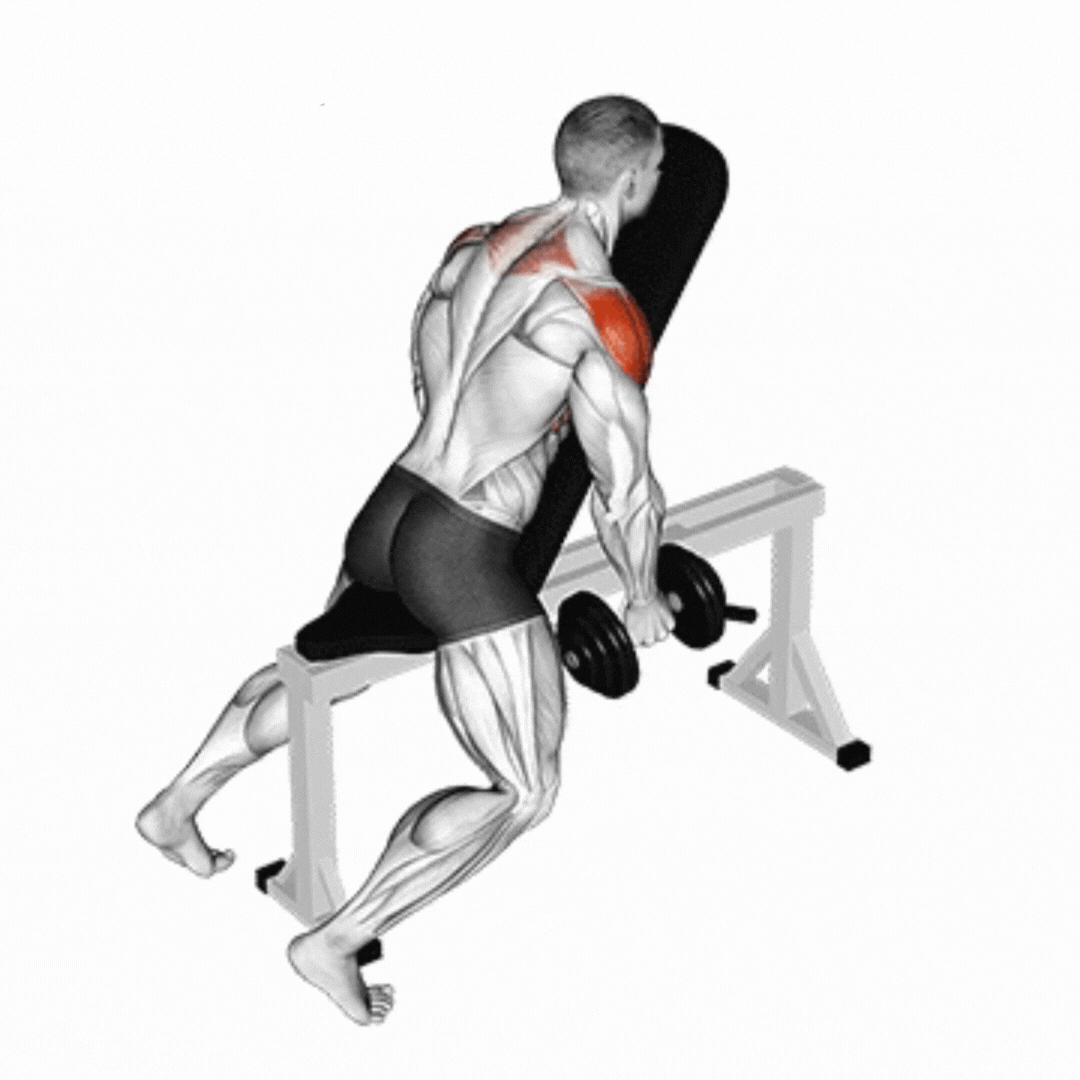
Dumbbell Reverse Fly is an isolation exercise that targets the rear shoulder and middle trapezius muscles. This movement is extremely important for posture correction and shoulder balance. The rear deltoid and rhomboid muscles are activated by performing in a bent-forward position. It is ideal for office workers and athletes with front shoulder dominance. It should be performed regularly to protect shoulder health and reduce injury risk. It is recommended to be applied with light weights at high repetition counts.
Dumbbell Reverse Fly How-To Guide
- 1
Stand upright, slightly bend your knees and bend forward from the hips
- 2
Hold a dumbbell in each hand, arms hanging down, palms facing each other
- 3
Keeping elbows slightly bent, raise the dumbbells out to the sides
- 4
Squeeze your shoulder blades together and hold for 1-2 seconds at the top point
- 5
Return to the starting position in a controlled manner
- 6
Keep your back straight throughout the movement and avoid using momentum
Key Points
- ✓Grasp the dumbbells with your palms facing each other
- ✓Bend forward, your back should be straight, at a slight angle of approximately 45 degrees
- ✓Open your arms to the side and raise the dumbbells up
- ✓Elbows should remain slightly bent, not fully extended
- ✓Squeeze the rear deltoid and trapezius muscles at the top of the movement
Common Mistakes
- ✗Keeping the back hunched - increases risk of lower back injury
- ✗Raising the arms too high - rotator cuff stress
- ✗Using momentum - reduces muscle activation
- ✗Using too heavy weight - causes loss of form
- ✗Doing the movement too quickly - ineffective training
Breathing
Exhale while opening the arms to the sides, inhale when returning to the starting position.
Muscle Activation
Safety
Precautions
- Those with shoulder impingement syndrome should be careful
- Those with lumbar herniation should be careful in the bending position
- Those who have had rotator cuff injuries should get doctor approval
- Those with lower back pain should prefer the supported bench version
Safety Tips
- Start with light weights and prioritize form
- Keep your back straight and don't round the lower back
- Perform the movement in a controlled manner, avoid momentum
- Don't exceed shoulder level when raising the weight
Frequently Asked Questions
Which muscles does Dumbbell Reverse Fly work?
Dumbbell Reverse Fly primarily works these muscles: Rear deltoids, Trapezius. It also engages: Shoulders, Upper back.
Is Dumbbell Reverse Fly suitable for beginners?
Dumbbell Reverse Fly is a Beginner level exercise. Learning difficulty: Easy.
Can Dumbbell Reverse Fly be done at home?
Yes, Dumbbell Reverse Fly can easily be done at home.
What are common mistakes when doing Dumbbell Reverse Fly?
One of the most common mistakes: Keeping the back hunched - increases risk of lower back injury
How many sets and reps for Dumbbell Reverse Fly?
Recommended: 3-4 sets and 10-15 reps.
Side Delts
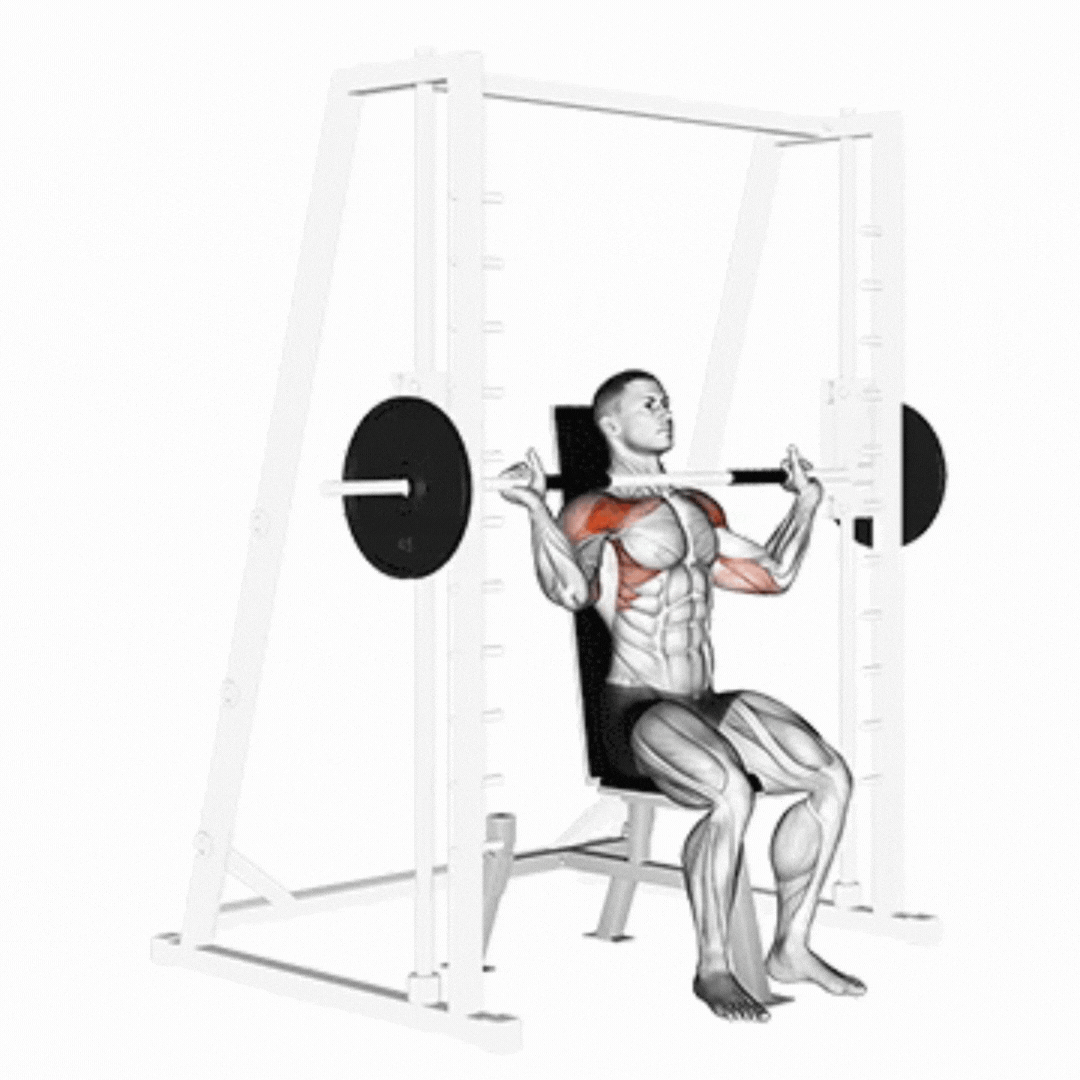
Front Delts
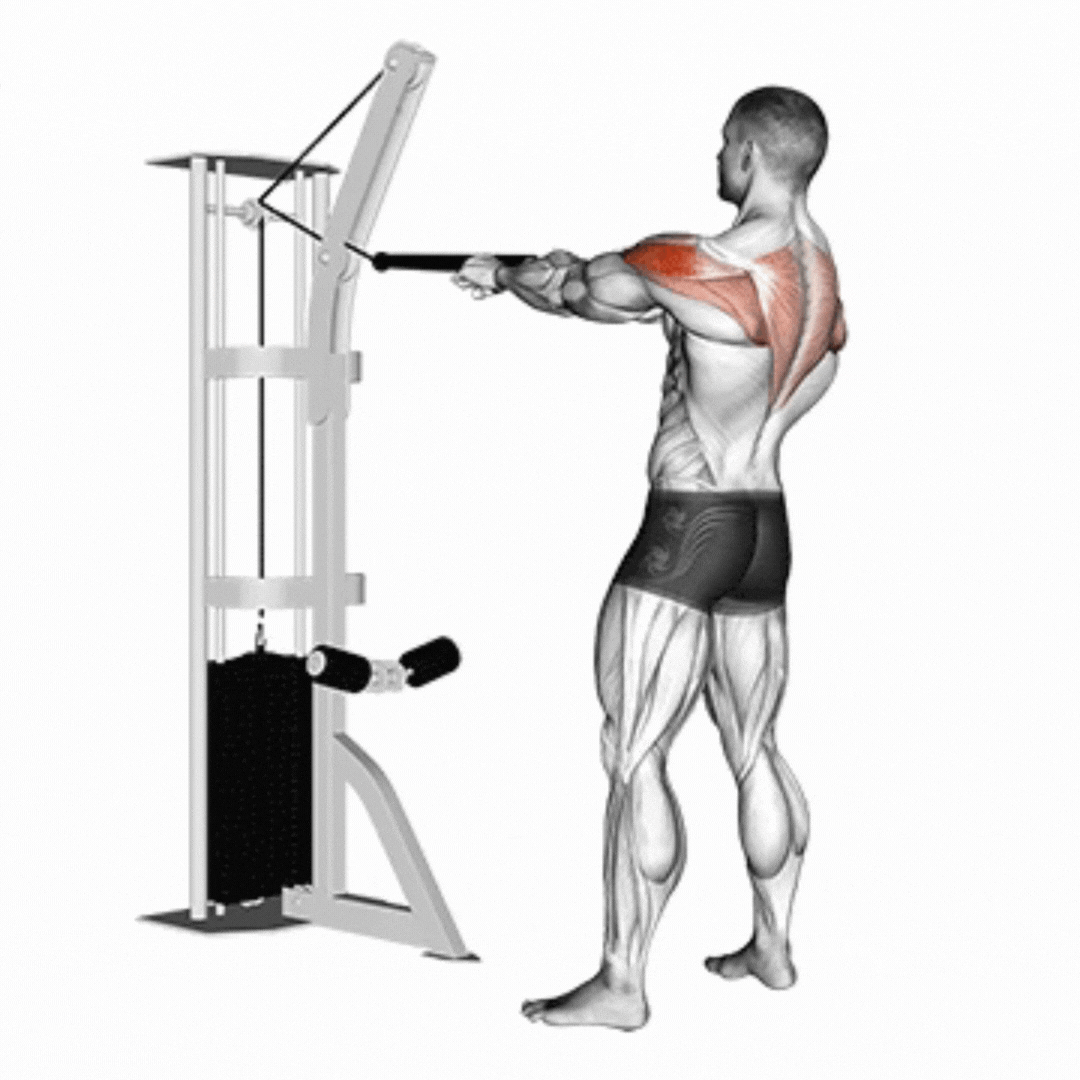
Rear Delts
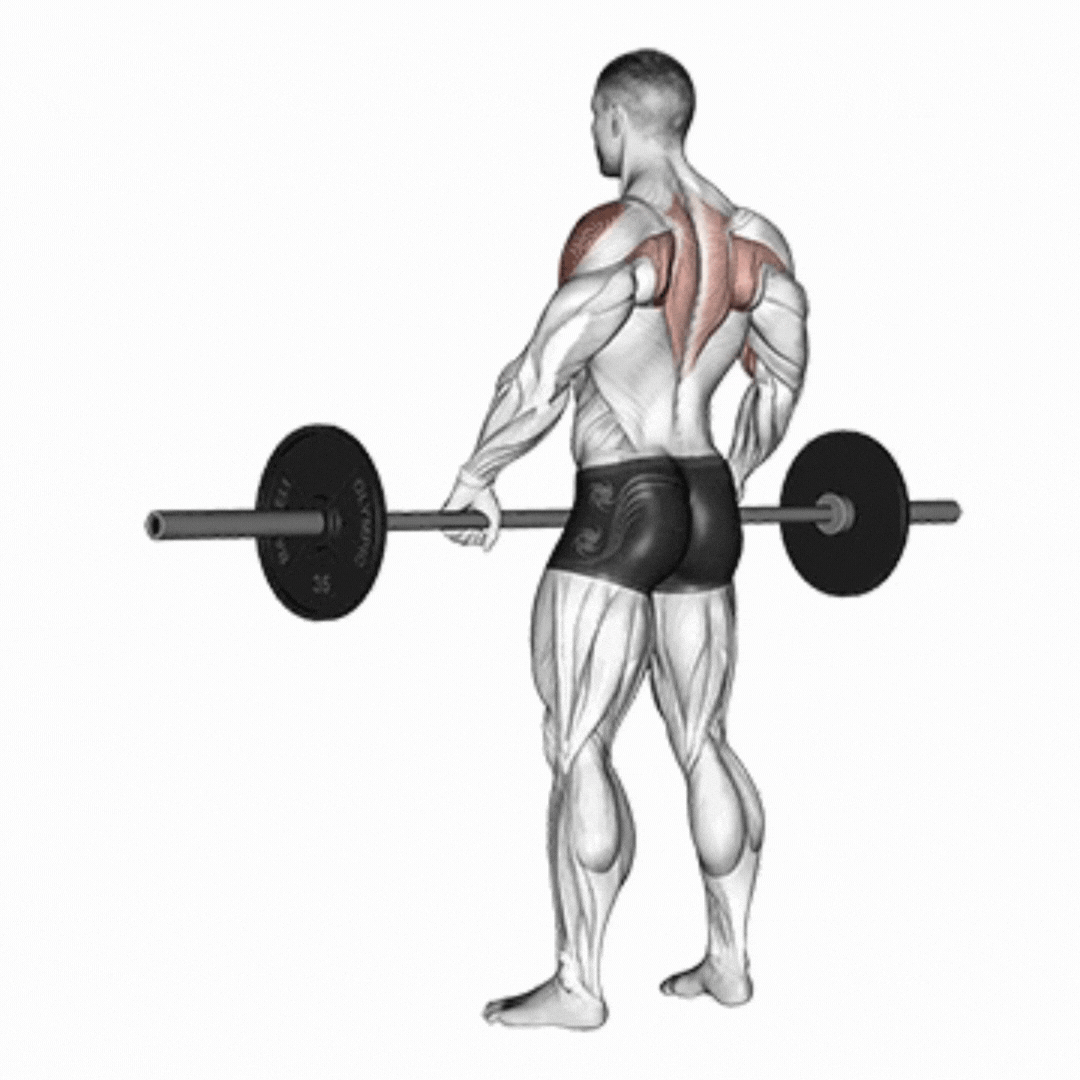
Side Delts
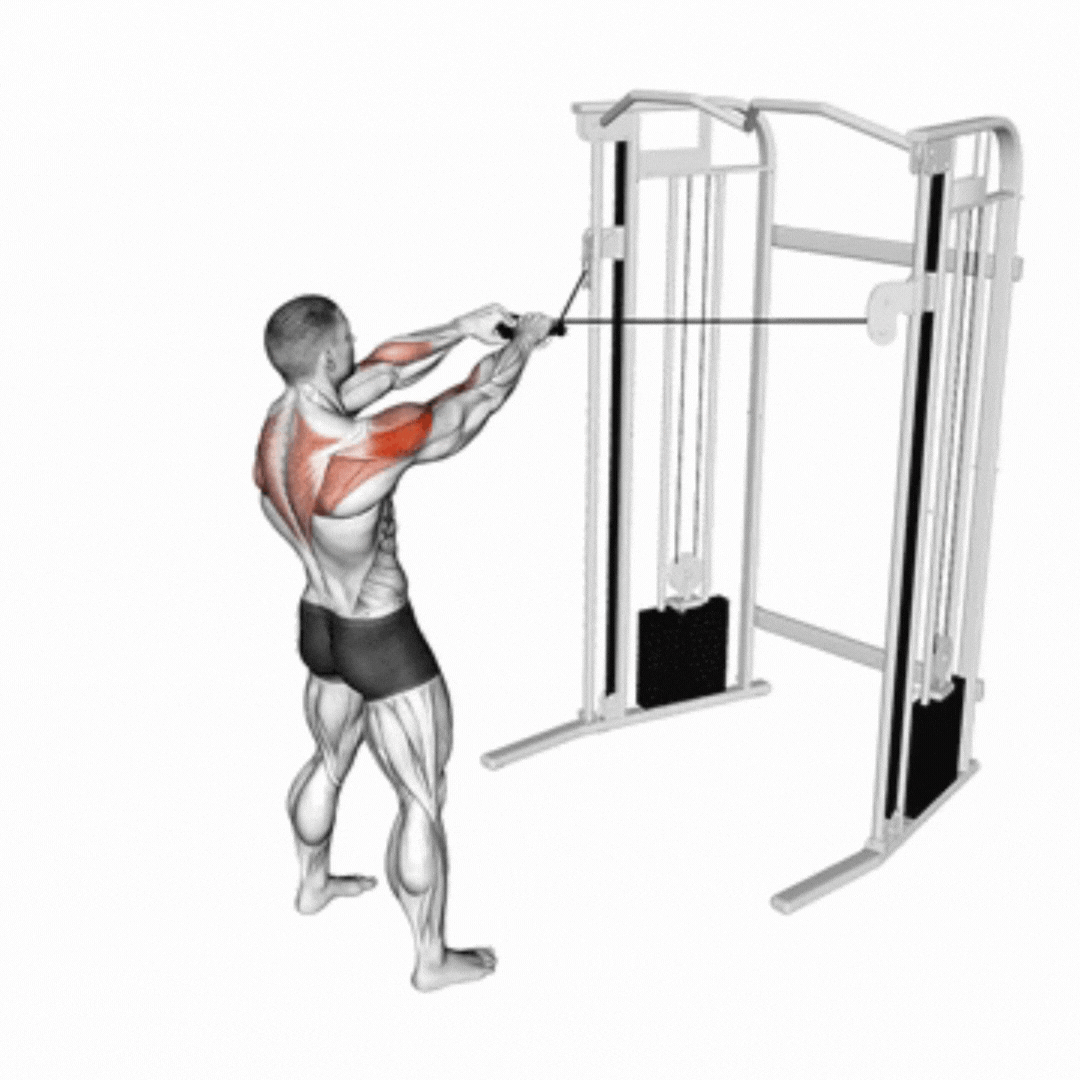
Rear Delts
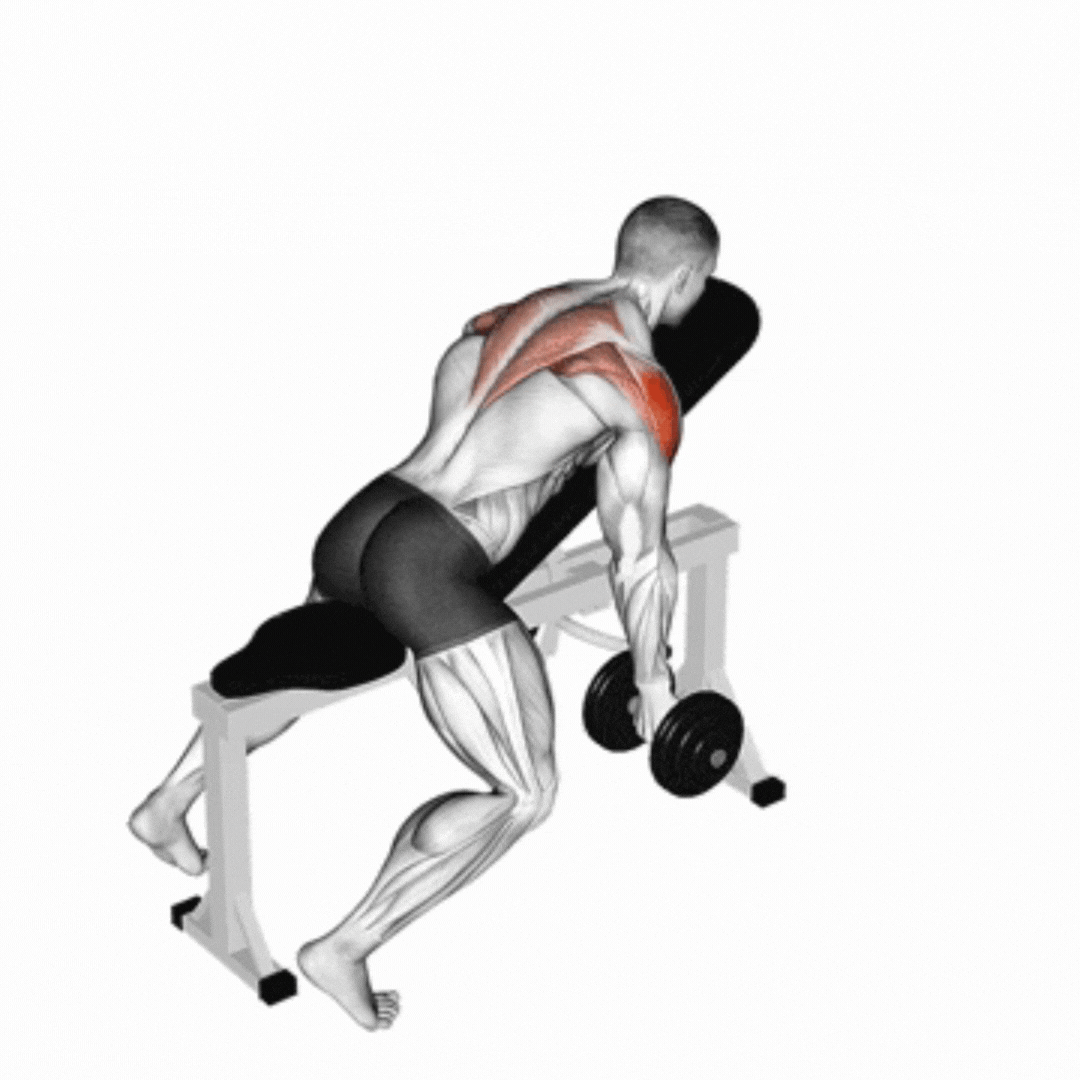
Rear Delts
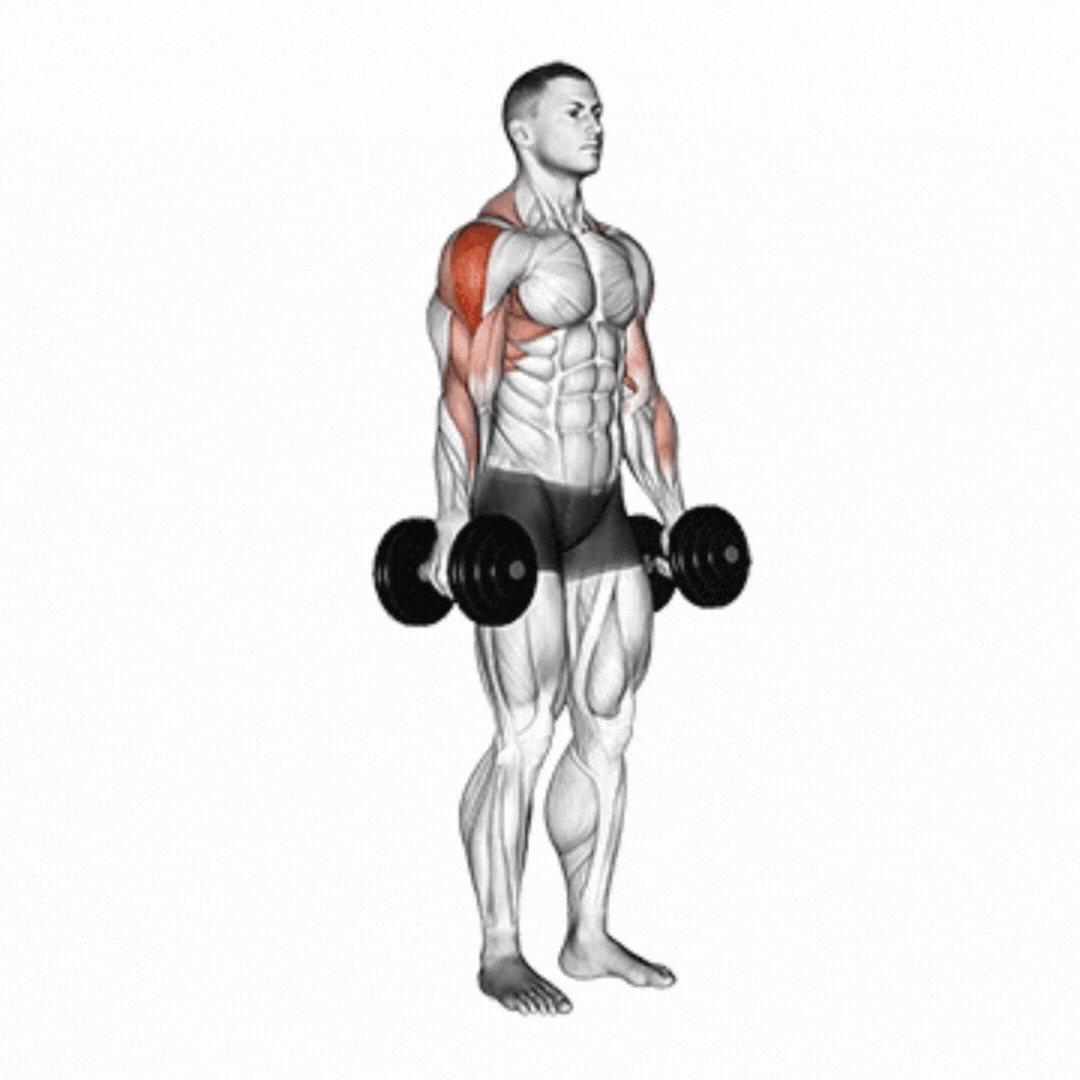
Rear Delts
Rear Delts
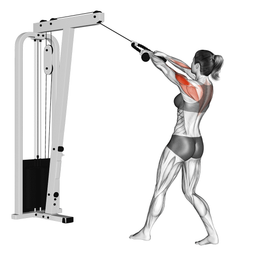
Rear Delts
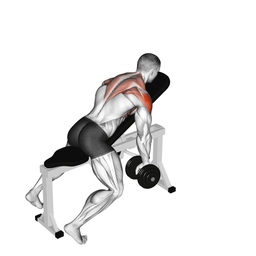
Rear Delts
- ✓Develops rear shoulder and middle trapezius muscles
- ✓Helps correct posture disorders
- ✓Increases scapular retraction strength
- ✓Supports shoulder health and balance