.gif)
Description
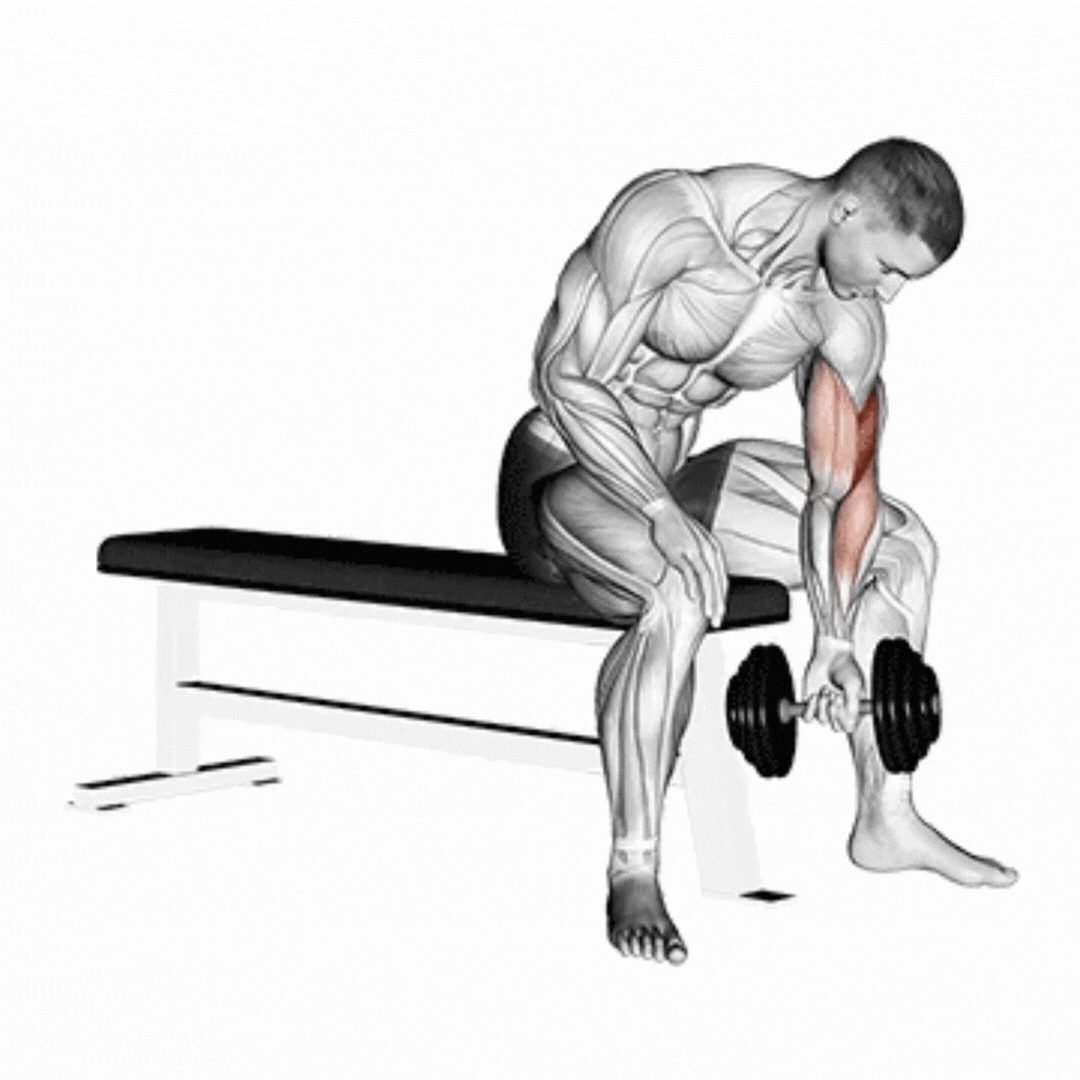
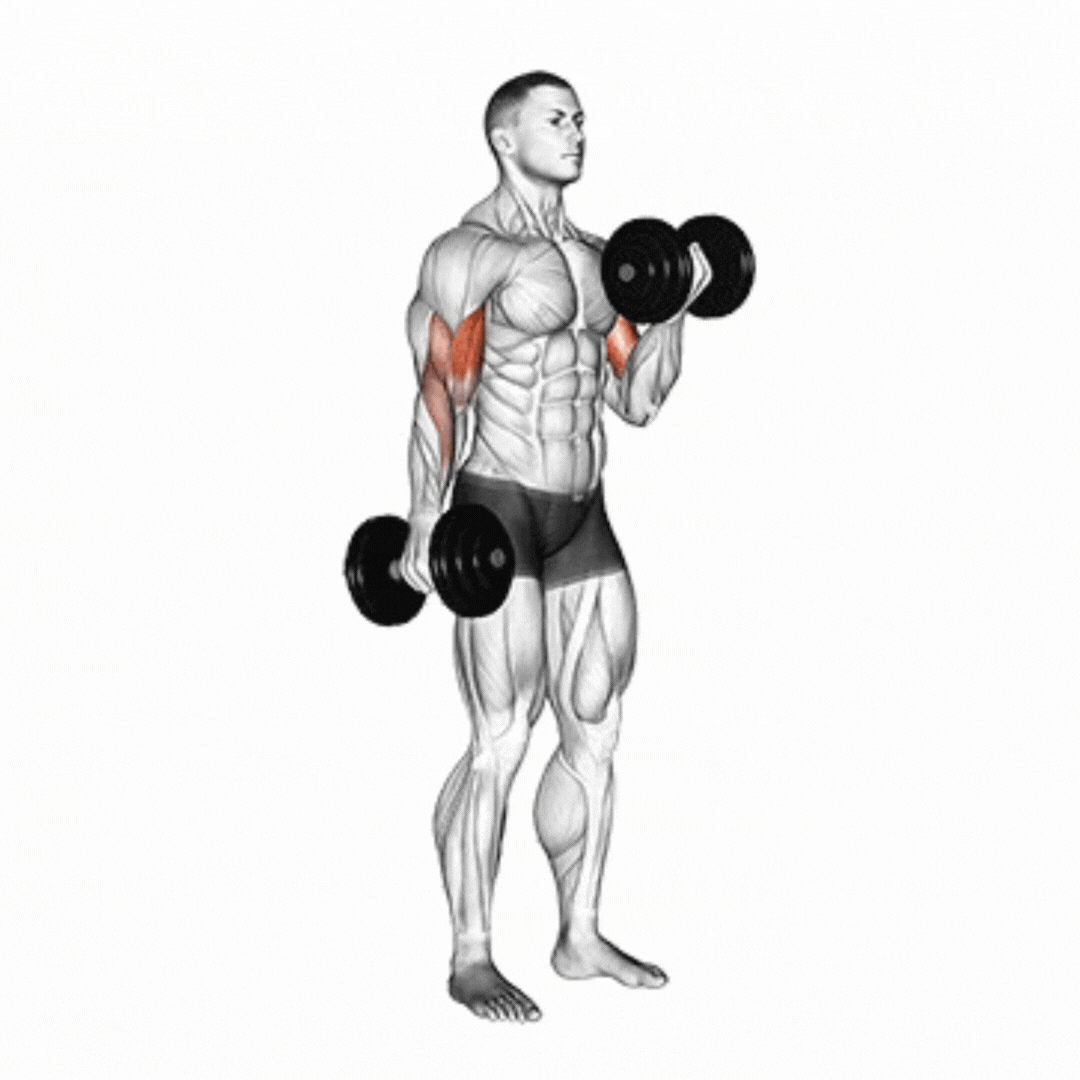
The Dumbbell Reverse Curl is an important bicep variation performed with dumbbells using an overhand grip (palms facing down), specifically targeting the brachioradialis and brachialis muscles. Unlike the classic supinated curl, the palms face downward, which reduces the involvement of the biceps brachii but causes intense activation of the brachioradialis. The brachioradialis is located on the upper part of the forearm, and when developed, it gives the arms a 'fully packed' appearance. It also works the forearm extensor muscles. It improves grip strength and wrist stability. When performed regularly, it provides significant improvement in brachioradialis development, forearm thickness, and overall arm symmetry.
Dumbbell Reverse Curl How-To Guide
- 1
Stand tall with your feet shoulder-width apart.
- 2
Hold a dumbbell in each hand.
- 3
Use an overhand (pronated) grip with your palms facing down.
- 4
Start with your arms fully extended and the dumbbells resting in front of your thighs.
- 5
Keep your back straight and pull your shoulders back.
- 6
Engage your core muscles.
- 7
Curl the dumbbells upward by squeezing your brachioradialis and biceps.
- 8
Squeeze the muscles hard at the top position.
- 9
Lower the dumbbells back to the starting position in a controlled manner.
- 10
Keep your upper arms stationary throughout the movement.
Key Points
- ✓The grip must be overhand (palms facing down).
- ✓Keep the upper arms stationary; only bend at the elbows.
- ✓Keep your wrists straight; do not let them bend.
- ✓Use a full range of motion.
- ✓Squeeze the muscles at the top of the movement.
Common Mistakes
- ✗Bending the wrists downward - increases the risk of wrist injury.
- ✗Swinging the weights - relies on momentum instead of muscle.
- ✗Choosing dumbbells that are too heavy - compromises form.
- ✗Using an incomplete range of motion - prevents full muscle activation.
- ✗Raising the upper arms forward - breaks muscle isolation.
Breathing
Exhale as you curl the weight up, and inhale as you lower it.
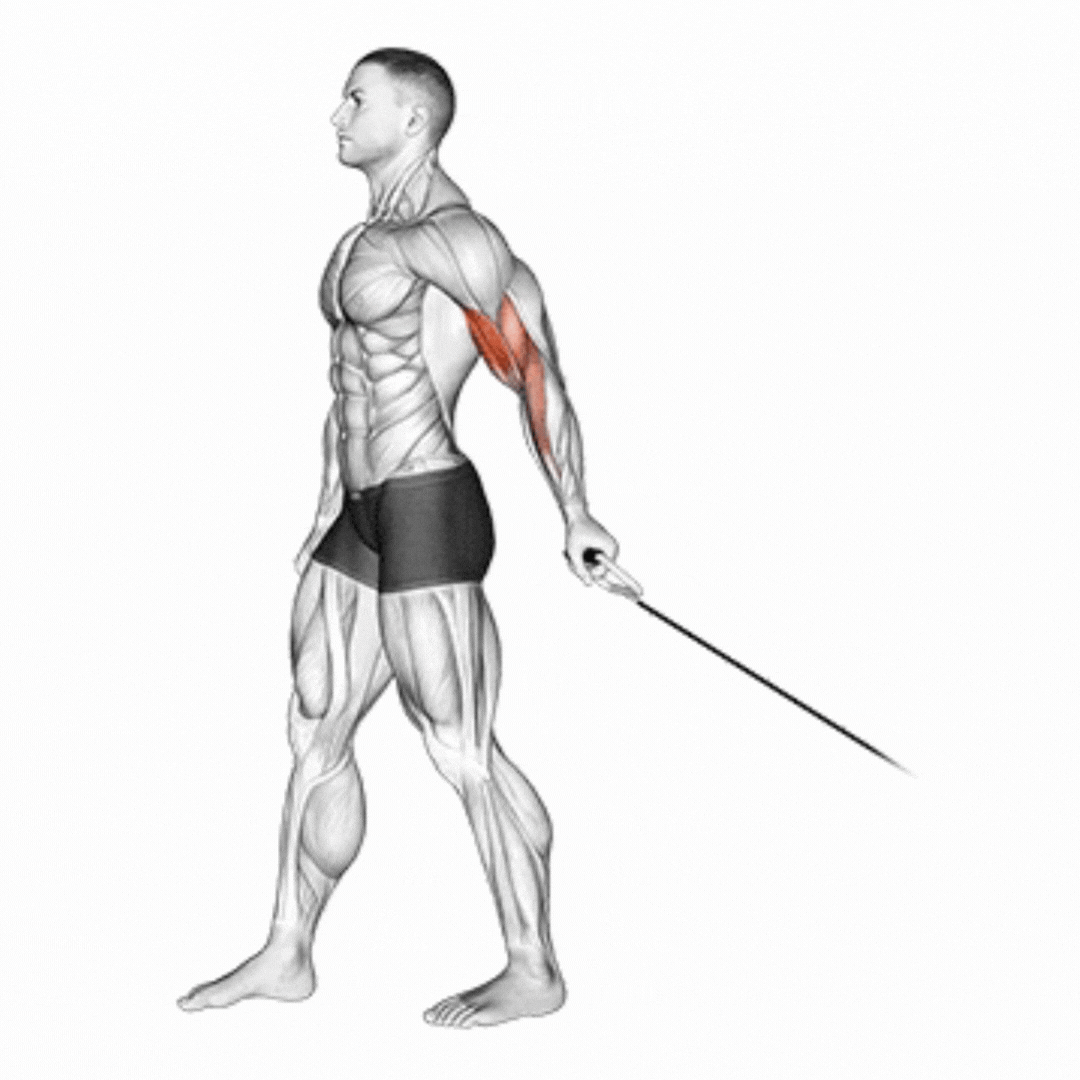
Muscle Activation
Safety
Precautions
- Individuals with acute wrist injuries should avoid this exercise.
- Individuals with acute elbow injuries should proceed with caution.
- Those in the acute phase of tennis elbow (lateral epicondylitis) should avoid this exercise.
Safety Tips
- Start with lighter dumbbells (lighter than your classic curl weight).
- Keep your wrists straight.
- Warm up your wrists thoroughly.
- Stop the exercise if your form breaks down.
Frequently Asked Questions
Which muscles does Dumbbell Reverse Curl work?
Dumbbell Reverse Curl primarily works these muscles: Brachioradialis, Brachialis. It also engages: Biceps, Ön kol, Bilek ekstansörleri.
Is Dumbbell Reverse Curl suitable for beginners?
Dumbbell Reverse Curl is a Intermediate level exercise. Learning difficulty: Easy.
Can Dumbbell Reverse Curl be done at home?
Yes, Dumbbell Reverse Curl can easily be done at home.
What are common mistakes when doing Dumbbell Reverse Curl?
One of the most common mistakes: Bending the wrists downward - increases the risk of wrist injury.
How many sets and reps for Dumbbell Reverse Curl?
Recommended: 3-4 sets and 10-15 reps.
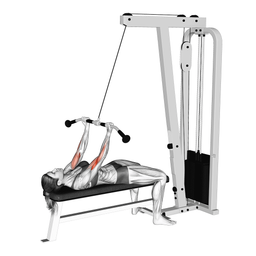
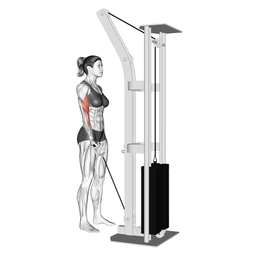
- ✓Isolates the brachioradialis and brachialis muscles.
- ✓Increases forearm thickness.
- ✓Improves grip strength.
- ✓Enhances wrist stability.
- ✓Helps prevent injuries like tennis elbow.
- ✓Promotes balanced arm development.