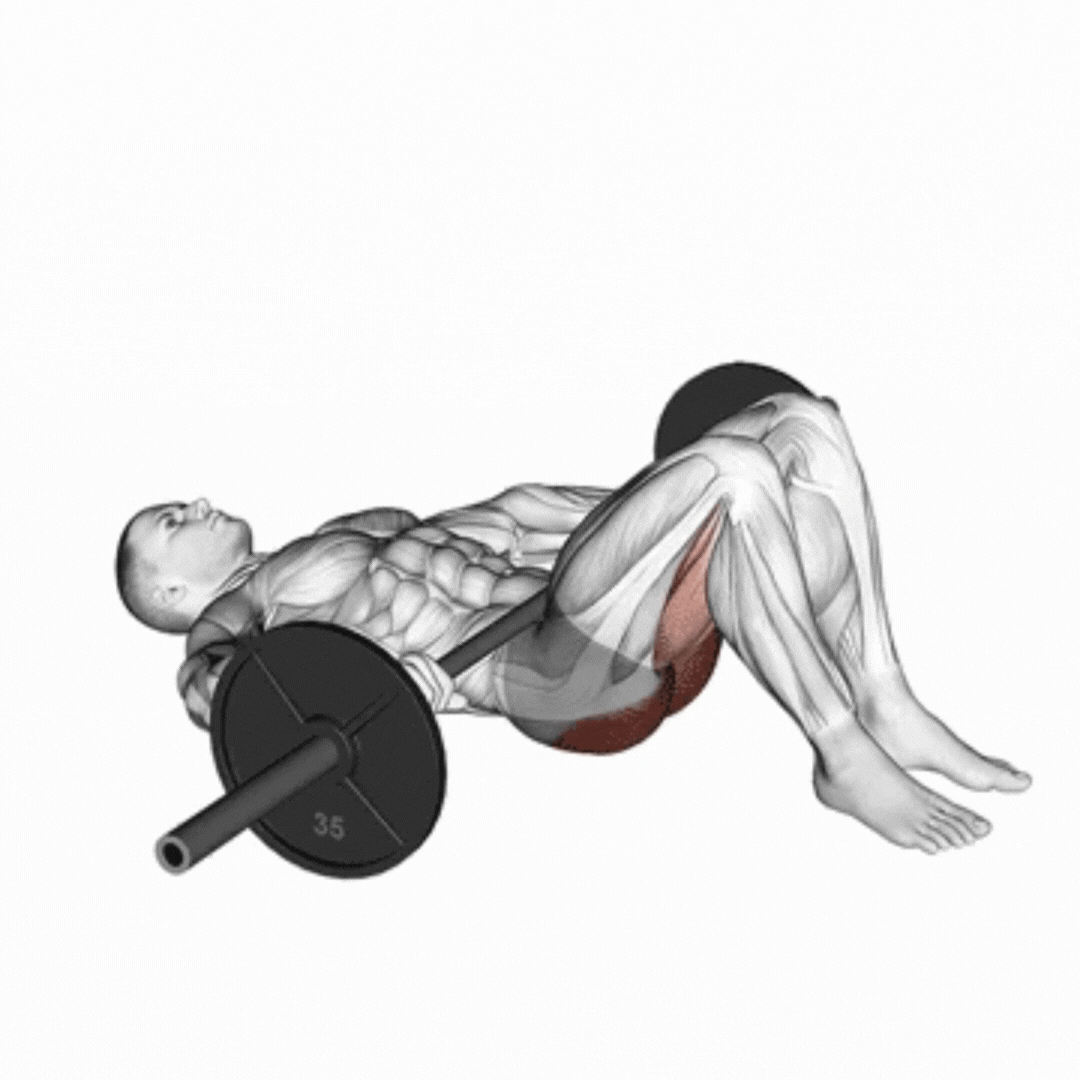
BifitBifit
HomeExercisesBecome a Coach
Log In
HOMEEXERCISESBECOME A COACHLOG IN

Language

Legal

Terms of UsePrivacy PolicyDelete Account
BifitBifit

A modern and user-friendly mobile app that makes life easier for fitness enthusiasts. Tracking your workouts and progress is our priority.

Quick Links

  • Home
  • Exercises
  • Become a Coach
  • Download · Google Play
  • Download · App Store

Legal

  • Privacy Policy
  • Terms of Use
  • Support
  • Account Deletion

© 2026 Bifit. All rights reserved.

Designed for a healthy lifestyle

HomeExercisesDumbbell Hip Thrust

Dumbbell Hip Thrust

Glutes
Glutes
Intermediate
Compound
3-4Set
8-12Reps
75sRest
2-1-2-0Tempo
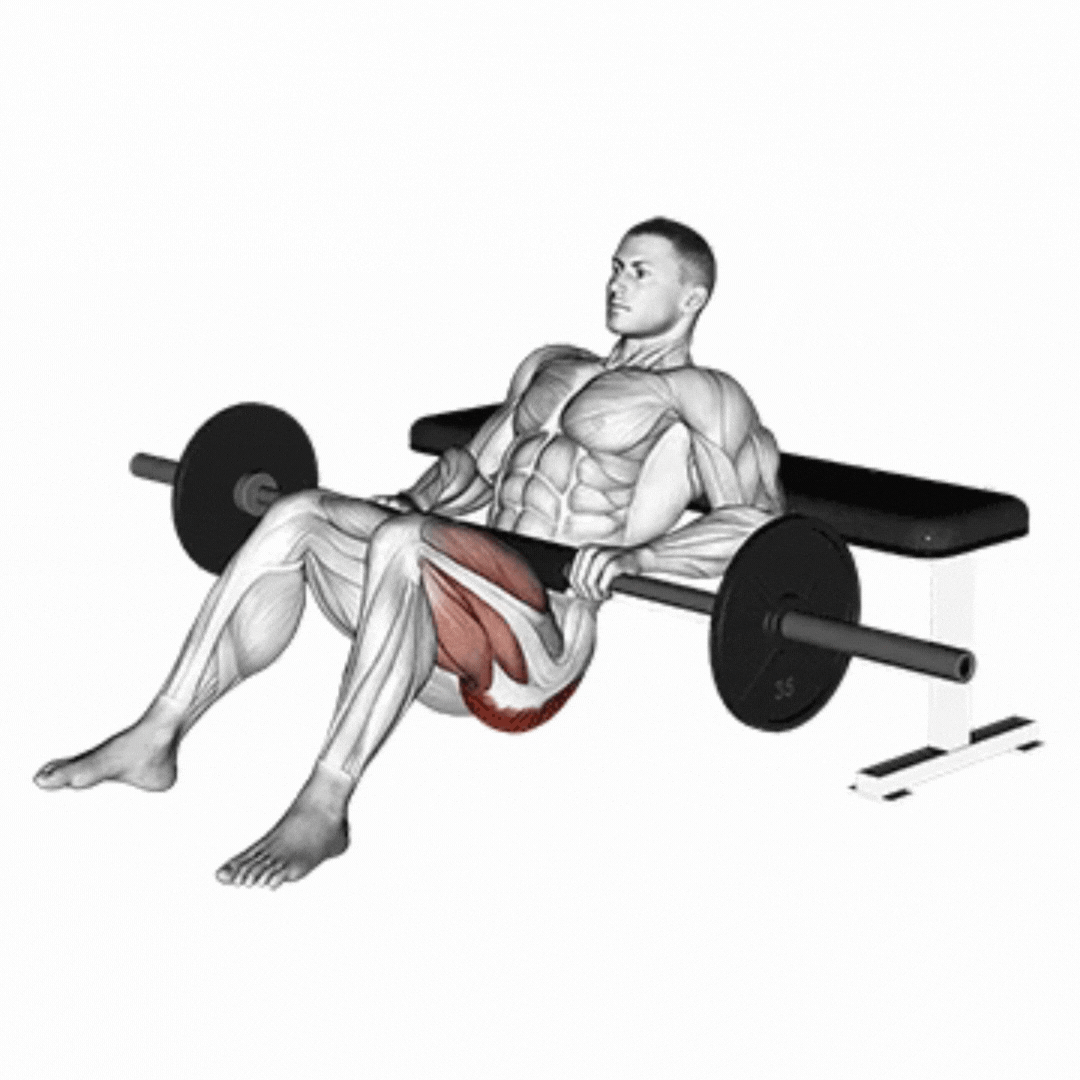
Dumbbell Hip Thrust
Animation

Description

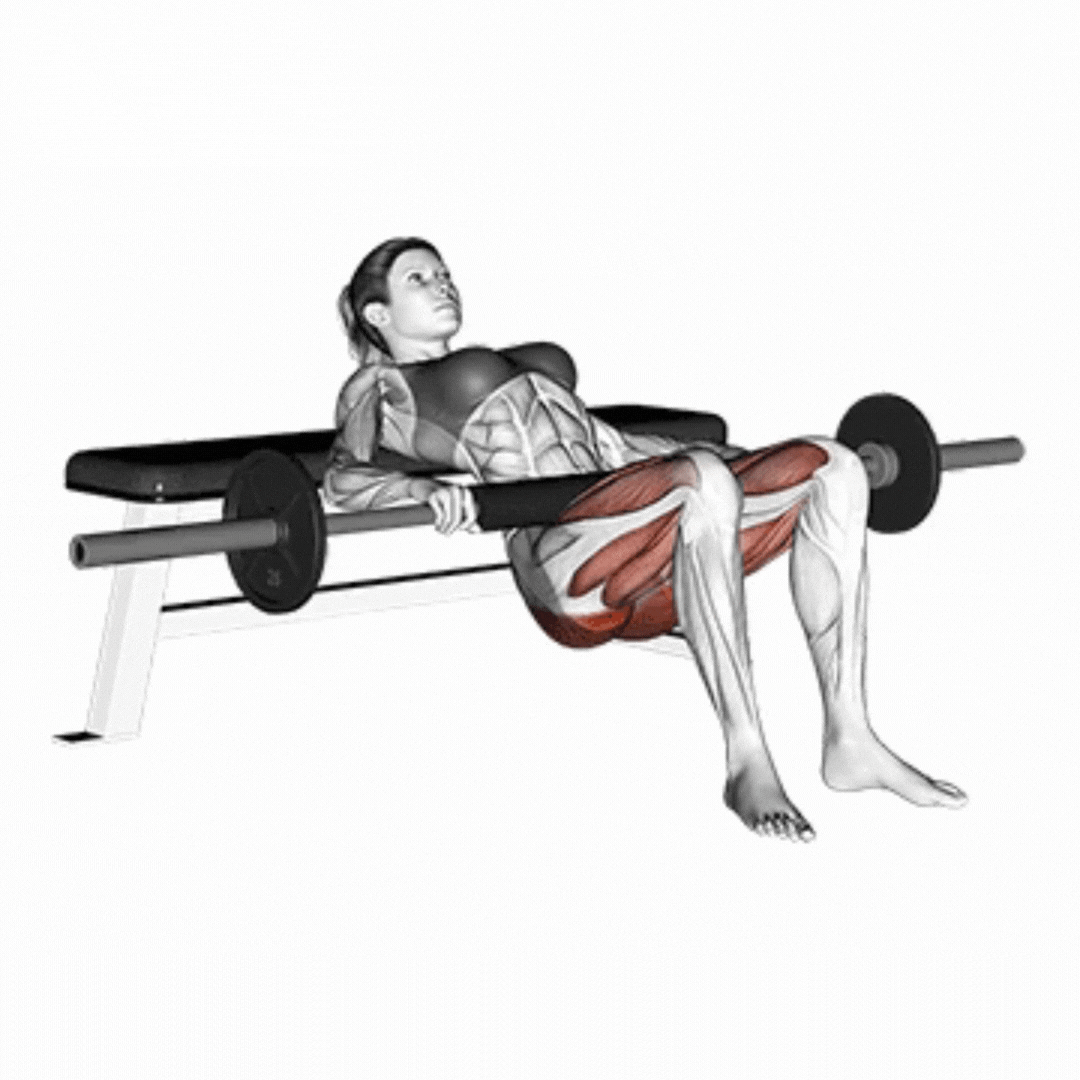
The Dumbbell Hip Thrust is the dumbbell variation of the classic hip thrust and is one of the most effective isolation exercises for maximizing gluteus maximus development. Because it is performed with your back supported on a bench, maximum tension is applied to the glute muscles through a full range of motion. Using a dumbbell is an ideal alternative when a barbell is unavailable or when a more comfortable grip is preferred. It also places less stress on the lower back compared to the barbell hip thrust. It is scientifically considered one of the most effective exercises for improving glute size, strength, and shape. It can be performed in both home and gym environments and is critical for functional athletic performance.

Step-by-Step Instructions

  1. 1

    Lean your back against a bench; the bottom of your shoulder blades should align with the edge of the bench.

  2. 2

    Plant your feet flat on the floor at hip-width apart, positioning your knees so they bend at a 90-degree angle.

  3. 3

    Place a dumbbell horizontally across your hips, just below your pelvic bone.

  4. 4

    Hold the dumbbell firmly with both hands to keep it balanced.

  5. 5

    Brace your core muscles, tuck your chin slightly toward your chest, and maintain a neutral neck position.

  6. 6

    Drive through your heels to lift your hips upward, squeezing your glutes maximally.

  7. 7

    At the top position, your shoulders, hips, and knees should form a straight line; squeeze your glutes for 1-2 seconds.

  8. 8

    Lower your hips down in a controlled manner, but repeat the movement without letting them completely touch the floor.

Key Points

  • ✓The bench height should allow the bottom of your shoulder blades to rest on the edge.
  • ✓Initiate the movement by driving through your heels, not your toes.
  • ✓Your hips should reach full extension at the top, but avoid hyperextension.
  • ✓Maintain a neutral neck position by keeping your chin slightly tucked toward your chest.
  • ✓Keep your core muscles engaged at all times to stabilize the dumbbell.

Common Mistakes

  • ✗Arching the lower back excessively and hyperextending - risks lower back injury.
  • ✗Pushing through the toes instead of the heels - reduces glute activation and engages the quadriceps.
  • ✗Throwing the neck too far back - strains the cervical spine.
  • ✗Failing to fully squeeze the glutes at the top - prevents maximum glute engagement.
  • ✗Failing to balance the dumbbell - disrupts the movement and compromises form.

Breathing

Exhale forcefully and squeeze your glute muscles as you lift your hips up, and inhale as you lower them in a controlled manner.

Muscle Activation

glutes0%
hamstrings0%
quads0%
core0%
adductors0%

Safety

Precautions

  • Individuals with acute lower back pain should exercise caution.
  • Those with hip joint issues should limit their range of motion.
  • Individuals with pelvic sensitivity should place a pad under the dumbbell.
  • Pregnant women in their later trimesters should avoid this exercise.

Safety Tips

  • Ensure the bench is stable and secure.
  • Place a towel or pad under the dumbbell to reduce pelvic discomfort.
  • Master the bodyweight hip thrust first before adding a dumbbell.
  • Keep your neck in a neutral position; do not throw it back.
  • Keep your core tight throughout the movement to stabilize the spine.

Frequently Asked Questions

Which muscles does Dumbbell Hip Thrust work?

Dumbbell Hip Thrust primarily works these muscles: Gluteus maximus. It also engages: Hamstring, Quadriceps, Core kasları, Adductor.

Is Dumbbell Hip Thrust suitable for beginners?

Dumbbell Hip Thrust is a Intermediate level exercise. Learning difficulty: Moderate.

Can Dumbbell Hip Thrust be done at home?

Yes, Dumbbell Hip Thrust can easily be done at home.

What are common mistakes when doing Dumbbell Hip Thrust?

One of the most common mistakes: Arching the lower back excessively and hyperextending - risks lower back injury.

How many sets and reps for Dumbbell Hip Thrust?

Recommended: 3-4 sets and 8-12 reps.
Related Exercises

Exercises targeting similar muscle groups

Glutes Exercises
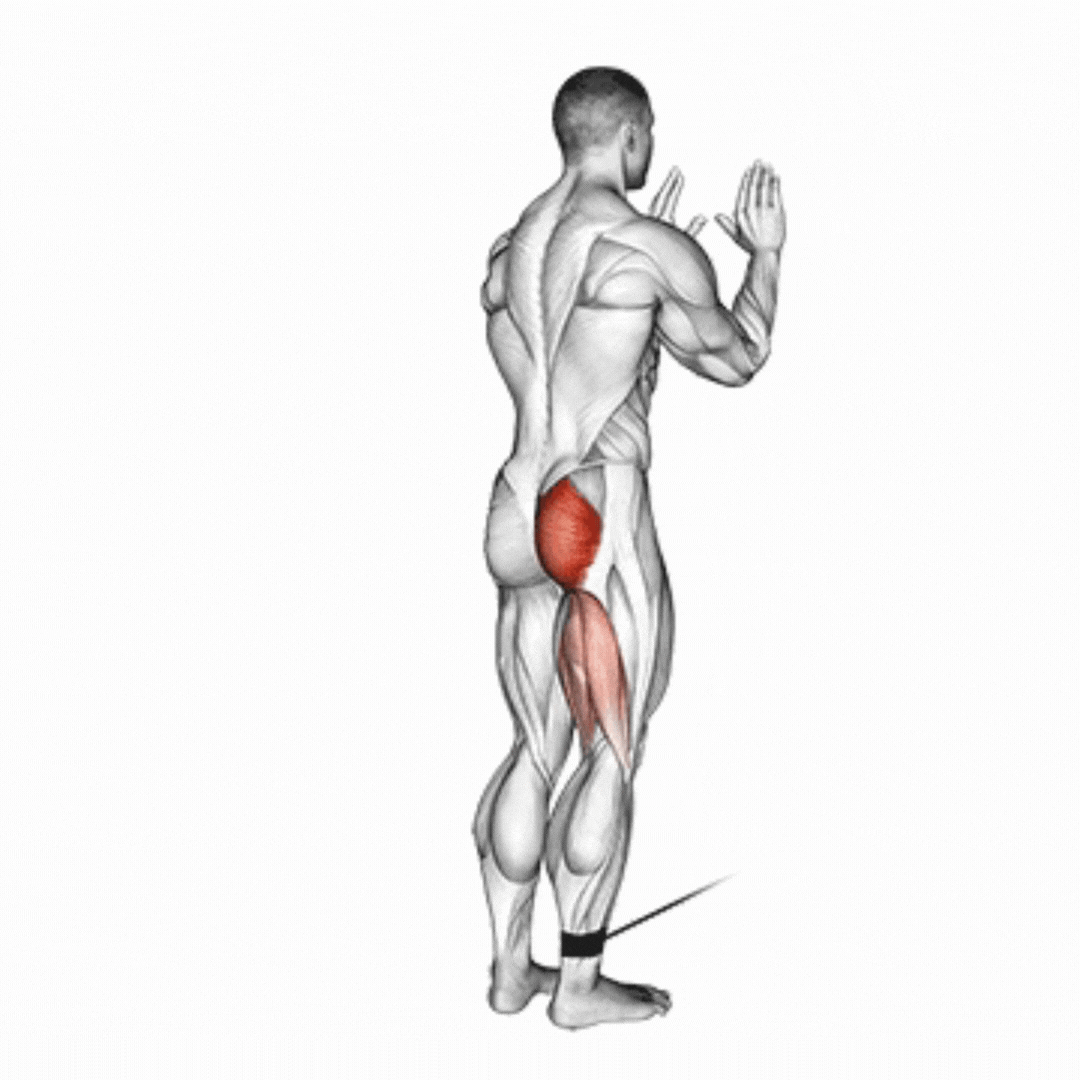
Band Standing Hip Extension

Band Standing Hip Extension

Glutes

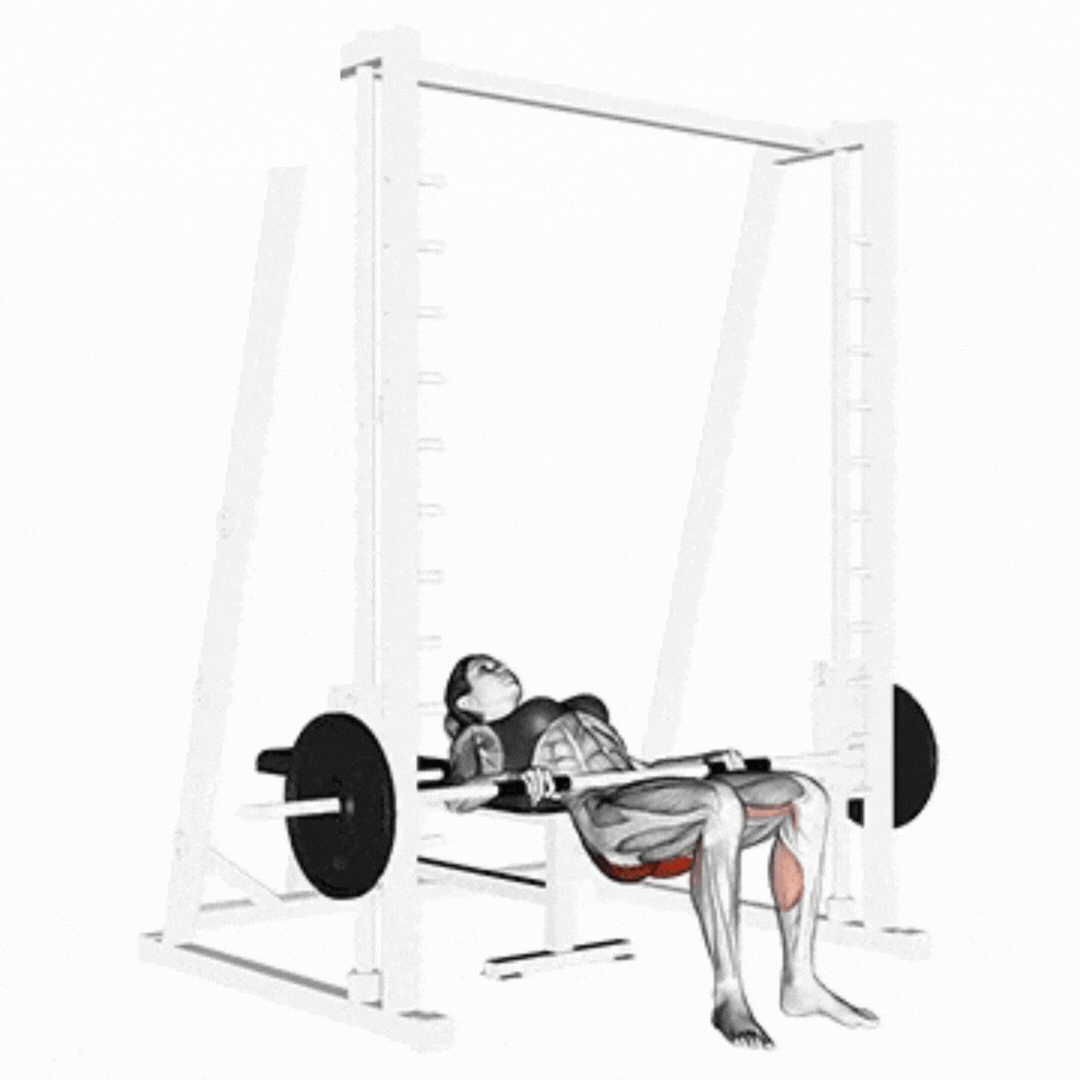
Lever Standing Hip Extension

Lever Standing Hip Extension

Glutes

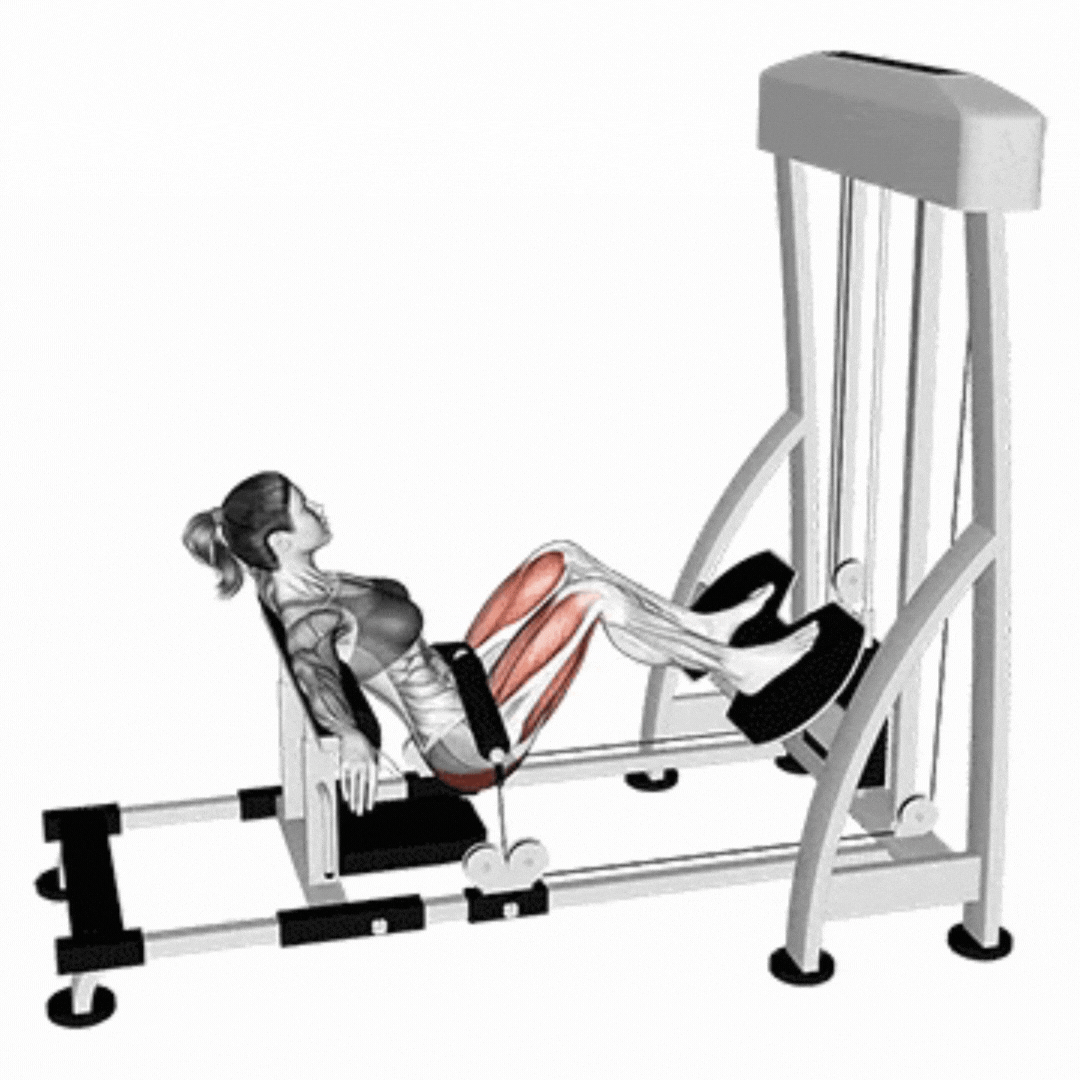
Glute Kickback Machine

Glute Kickback Machine

Glutes

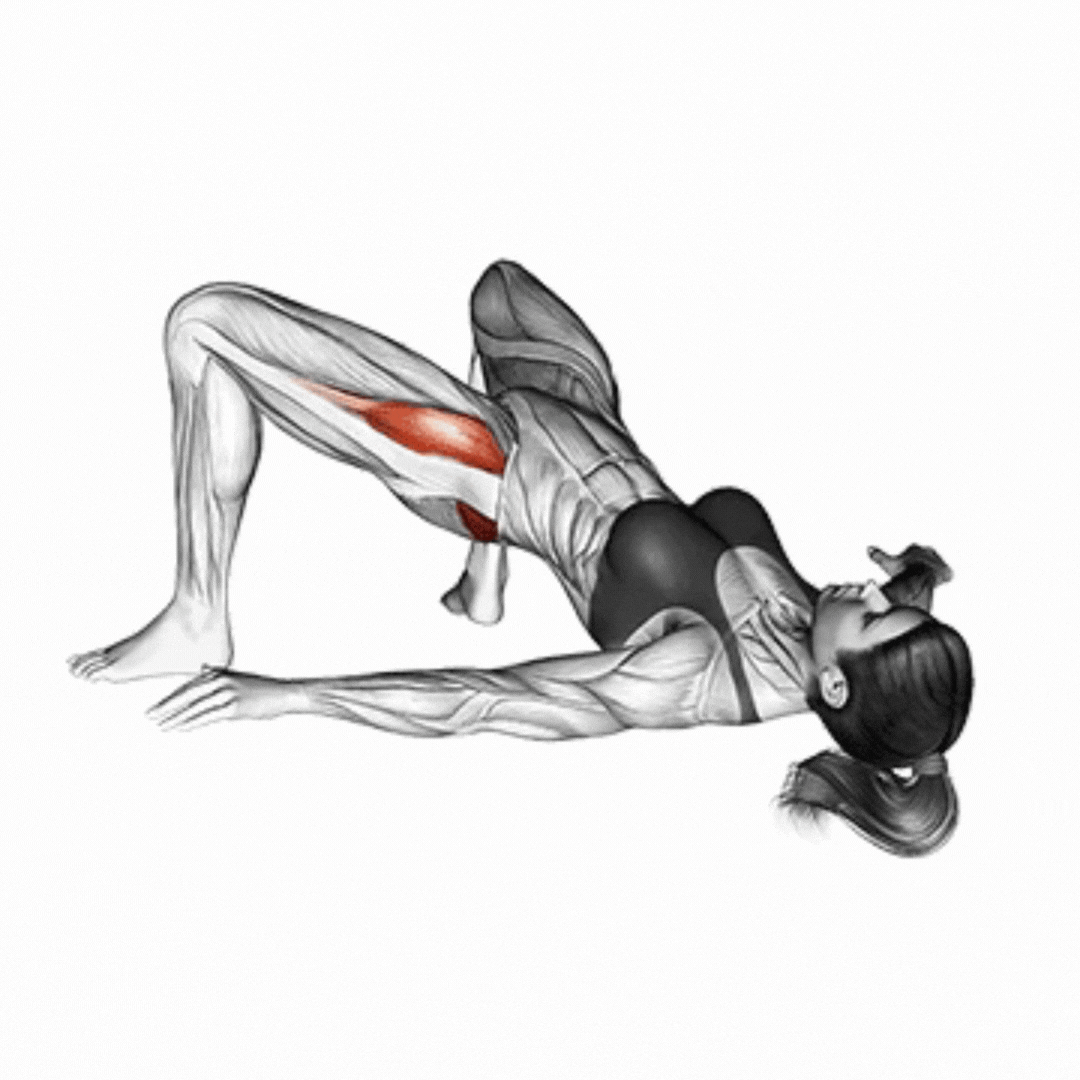
Bent Leg Kickbacks

Bent Leg Kickbacks

Glutes

Cable Donkey Kickback

Cable Donkey Kickback

Glutes

Cable Hip Abduction

Cable Hip Abduction

Glutes

Exercise Information

DifficultyIntermediate
Movement TypeCompound
FocusHypertrophy
Injury RiskLow
Set3-4
Reps8-12
Rest75 seconds
Tempo2-1-2-0
Spotter RequiredNo
Home / Gym
YesYes
Effectiveness4.7 / 5
Popularity8.5 / 10
Learning DifficultyModerate

Equipment

dumbbellbench

Primary Muscles

Gluteus maximus

Secondary Muscles

HamstringQuadricepsCore kaslarıAdductor

Benefits

  • ✓Intensely activates the gluteus maximus muscle.
  • ✓Scientifically one of the most effective exercises for glute hypertrophy.
  • ✓Provides maximum tension through a full range of motion.
  • ✓Places minimal stress on the lower back.
  • ✓Directly improves athletic performance (sprinting, jumping).
  • ✓Improves glute symmetry and shape.

Goals

Muscle GainStrength
Back to All Exercises
Dumbbell Hip Thrust
Animation

Description

The Dumbbell Hip Thrust is the dumbbell variation of the classic hip thrust and is one of the most effective isolation exercises for maximizing gluteus maximus development. Because it is performed with your back supported on a bench, maximum tension is applied to the glute muscles through a full range of motion. Using a dumbbell is an ideal alternative when a barbell is unavailable or when a more comfortable grip is preferred. It also places less stress on the lower back compared to the barbell hip thrust. It is scientifically considered one of the most effective exercises for improving glute size, strength, and shape. It can be performed in both home and gym environments and is critical for functional athletic performance.

Step-by-Step Instructions

  1. 1

    Lean your back against a bench; the bottom of your shoulder blades should align with the edge of the bench.

  2. 2

    Plant your feet flat on the floor at hip-width apart, positioning your knees so they bend at a 90-degree angle.

  3. 3

    Place a dumbbell horizontally across your hips, just below your pelvic bone.

  4. 4

    Hold the dumbbell firmly with both hands to keep it balanced.

  5. 5

    Brace your core muscles, tuck your chin slightly toward your chest, and maintain a neutral neck position.

  6. 6

    Drive through your heels to lift your hips upward, squeezing your glutes maximally.

  7. 7

    At the top position, your shoulders, hips, and knees should form a straight line; squeeze your glutes for 1-2 seconds.

  8. 8

    Lower your hips down in a controlled manner, but repeat the movement without letting them completely touch the floor.

Key Points

  • ✓The bench height should allow the bottom of your shoulder blades to rest on the edge.
  • ✓Initiate the movement by driving through your heels, not your toes.
  • ✓Your hips should reach full extension at the top, but avoid hyperextension.
  • ✓Maintain a neutral neck position by keeping your chin slightly tucked toward your chest.
  • ✓Keep your core muscles engaged at all times to stabilize the dumbbell.

Common Mistakes

  • ✗Arching the lower back excessively and hyperextending - risks lower back injury.
  • ✗Pushing through the toes instead of the heels - reduces glute activation and engages the quadriceps.
  • ✗Throwing the neck too far back - strains the cervical spine.
  • ✗Failing to fully squeeze the glutes at the top - prevents maximum glute engagement.
  • ✗Failing to balance the dumbbell - disrupts the movement and compromises form.

Breathing

Exhale forcefully and squeeze your glute muscles as you lift your hips up, and inhale as you lower them in a controlled manner.

Back to All Exercises

Related Exercises

Exercises targeting similar muscle groups

Glutes Exercises
Band Standing Hip Extension

Band Standing Hip Extension

Glutes

Lever Standing Hip Extension

Lever Standing Hip Extension

Glutes

Glute Kickback Machine

Glute Kickback Machine

Glutes

Bent Leg Kickbacks

Bent Leg Kickbacks

Glutes

Cable Donkey Kickback

Cable Donkey Kickback

Glutes

Cable Hip Abduction

Cable Hip Abduction

Glutes