BifitBifit
HomeExercisesBecome a Coach
Log In
HOMEEXERCISESBECOME A COACHLOG IN

Language

Legal

Terms of UsePrivacy PolicyDelete Account
BifitBifit

A modern and user-friendly mobile app that makes life easier for fitness enthusiasts. Tracking your workouts and progress is our priority.

Quick Links

  • Home
  • Exercises
  • Become a Coach
  • Download · Google Play
  • Download · App Store

Legal

  • Privacy Policy
  • Terms of Use
  • Support
  • Account Deletion

© 2026 Bifit. All rights reserved.

Designed for a healthy lifestyle

HomeExercisesDonkey Kick

Donkey Kick

Glutes
Glutes
Beginner
Isolation
3-4Set
12-20Reps
45sRest
2-1-2-0Tempo
Donkey Kick
Animation

Description

The Donkey Kick is a classic bodyweight glute exercise that isolates the gluteus maximus. It is performed in a quadruped (all-fours) position by pushing the leg back and up while keeping the knee bent. Since it requires no equipment, it can easily be done at home, in the park, or while traveling. It is an ideal movement for shaping, strengthening, and activating the glute muscles. It also improves core stabilization because the quadruped position requires balance and trunk control. Suitable for athletes of all levels, from beginners to advanced, it is also frequently used as a warm-up and activation exercise before heavier glute workouts.

Step-by-Step Instructions

  1. 1

    Get into a quadruped (all-fours) position; your hands should be directly under your shoulders and your knees directly under your hips.

  2. 2

    Keep your back flat by bracing your core, and do not let your lower back sag.

  3. 3

    Keep your neck in a neutral position with your eyes looking down at the floor.

  4. 4

    Exhale and push your right leg up toward the ceiling while keeping your knee bent at a 90-degree angle.

  5. 5

    With the sole of your foot facing the ceiling, squeeze your glute at the top of the movement for 1-2 seconds.

  6. 6

    Lower your leg back to the starting position in a controlled manner, but repeat the movement without letting your knee touch the floor.

  7. 7

    After completing the desired number of repetitions, switch to the other leg.

Key Points

  • ✓Hands must be positioned directly under the shoulders and knees directly under the hips.
  • ✓The knee must remain bent at 90 degrees as you push the leg back.
  • ✓Achieve maximum contraction by squeezing the glute forcefully at the top of the movement.
  • ✓The back must remain flat; the lower back should not arch or sag.
  • ✓Perform the movement slowly and with control, without using momentum.

Common Mistakes

  • ✗Arching the lower back excessively - causes lower back pain; the core must be kept tight.
  • ✗Lifting the leg too high - places excessive strain on the lower back.
  • ✗Leaning the body to the side - creates imbalance and breaks glute isolation.
  • ✗Using momentum for the movement - prevents the glute muscles from working effectively.
  • ✗Craning the neck upward - strains the neck; a neutral position must be maintained.

Breathing

Exhale as you push your leg up, and inhale as you lower it. Make sure to fully exhale while squeezing the glute muscle at the top of the movement.

Muscle Activation

glutes0%
hamstrings0%
core0%
lower back0%

Safety

Precautions

  • Individuals with wrist problems should use support or perform the exercise on their fists.
  • Those with knee pain should place a cushion or pad under their knees.
  • Individuals with a herniated disc must pay special attention to keeping their core tight.
  • Pregnant women in their later trimesters should avoid this movement.

Safety Tips

  • Always keep your back flat and do not let it sag.
  • Perform the movement slowly and with control; do not swing your leg.
  • Be careful not to lift your leg higher than shoulder level.
  • Protect your knees by placing a soft mat or towel underneath them.

Frequently Asked Questions

Which muscles does Donkey Kick work?

Donkey Kick primarily works these muscles: Gluteus maximus. It also engages: Hamstring, Core kasları, Alt sırt.

Is Donkey Kick suitable for beginners?

Donkey Kick is a Beginner level exercise. Learning difficulty: Easy.

Can Donkey Kick be done at home?

Yes, Donkey Kick can easily be done at home.

What are common mistakes when doing Donkey Kick?

One of the most common mistakes: Arching the lower back excessively - causes lower back pain; the core must be kept tight.

How many sets and reps for Donkey Kick?

Recommended: 3-4 sets and 12-20 reps.
Related Exercises

Exercises targeting similar muscle groups

Glutes Exercises
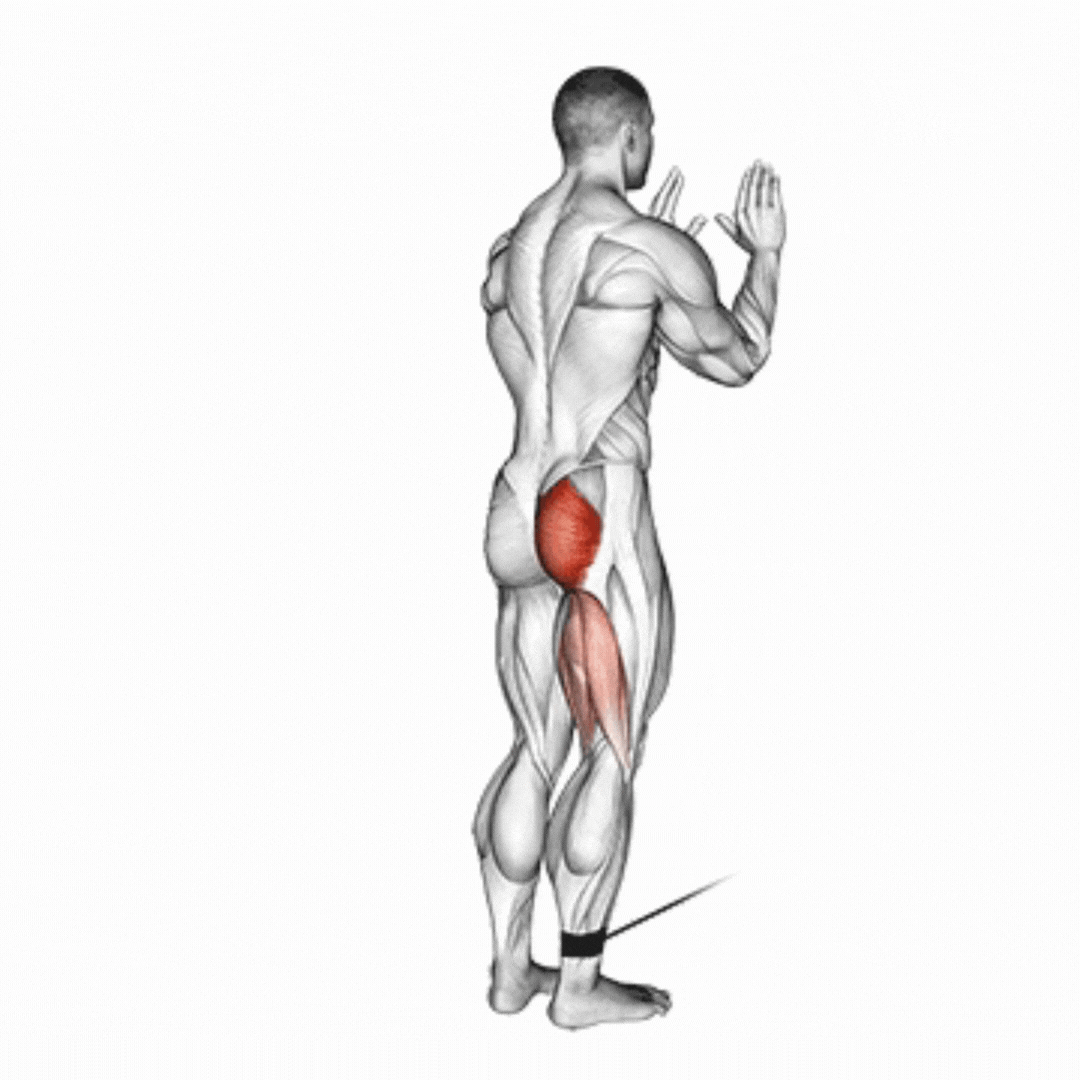
Band Standing Hip Extension

Band Standing Hip Extension

Glutes

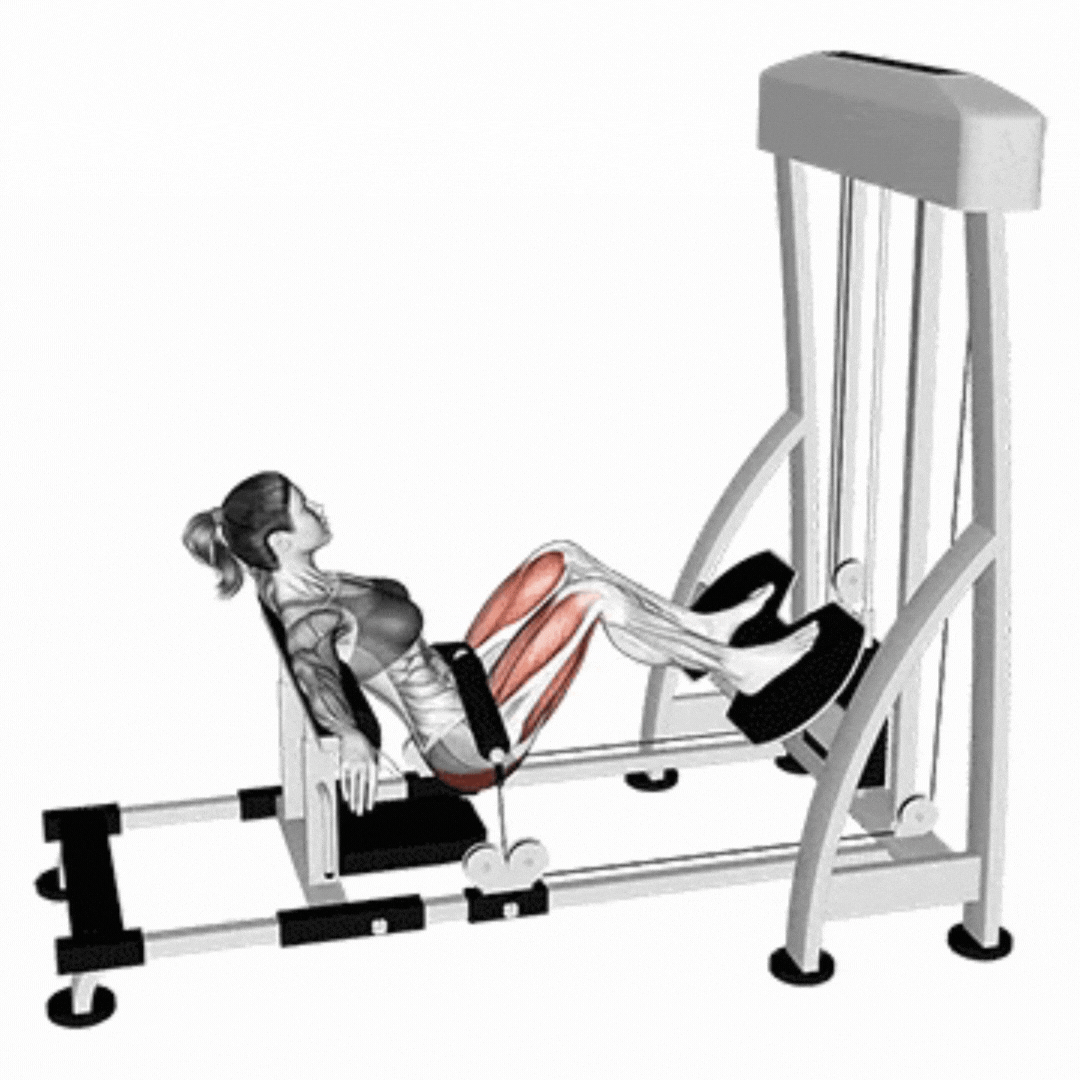
Lever Standing Hip Extension

Lever Standing Hip Extension

Glutes

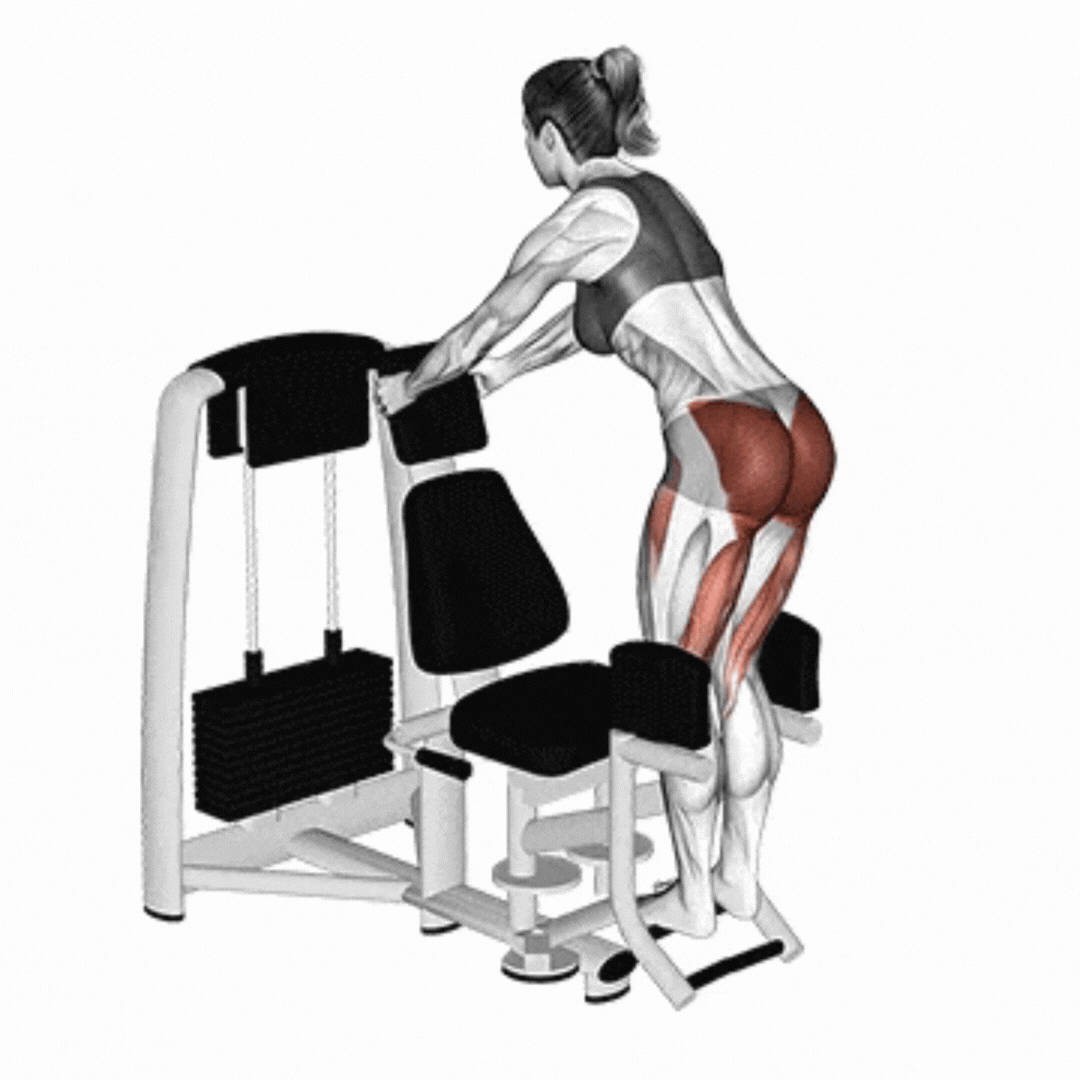
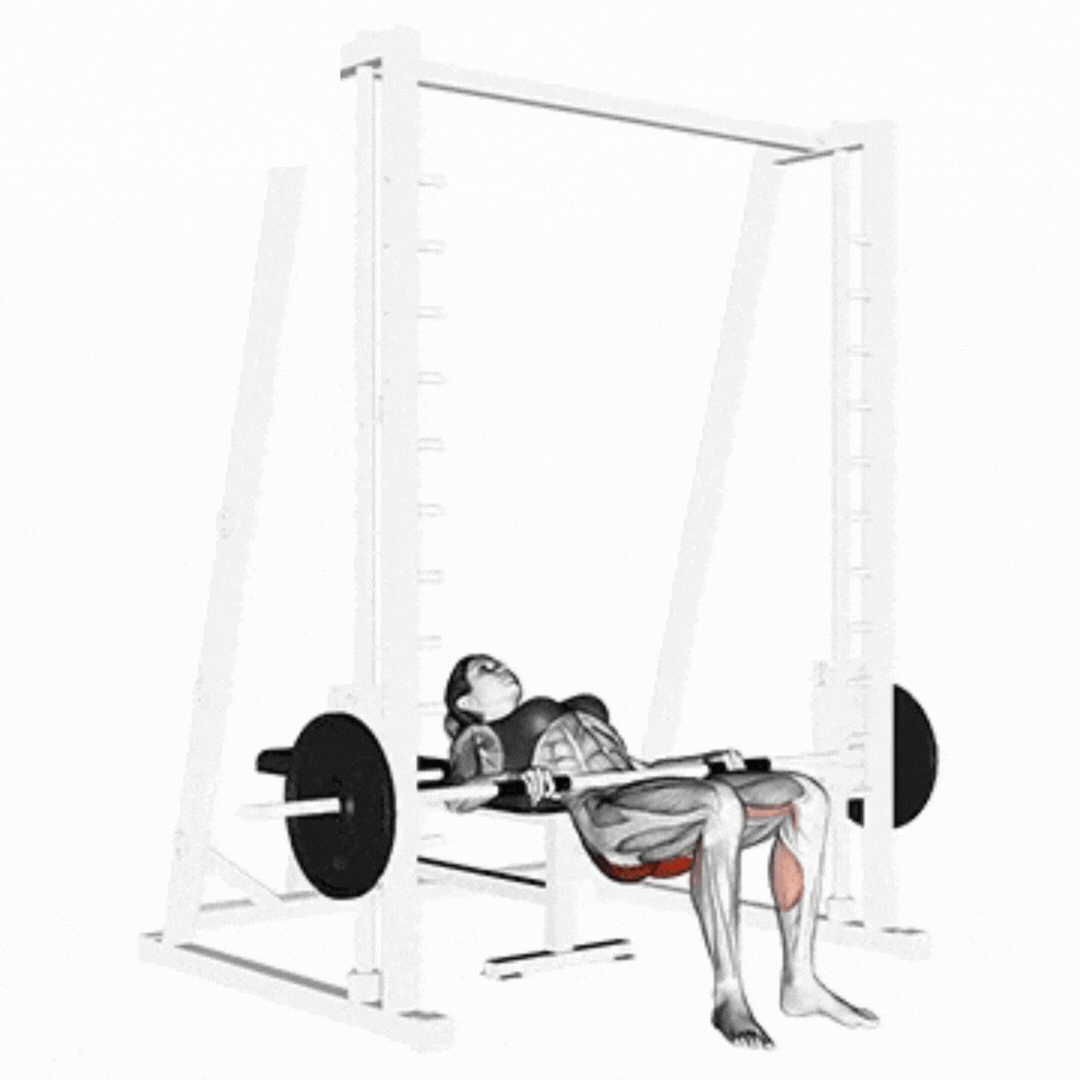
Glute Kickback Machine

Glute Kickback Machine

Glutes

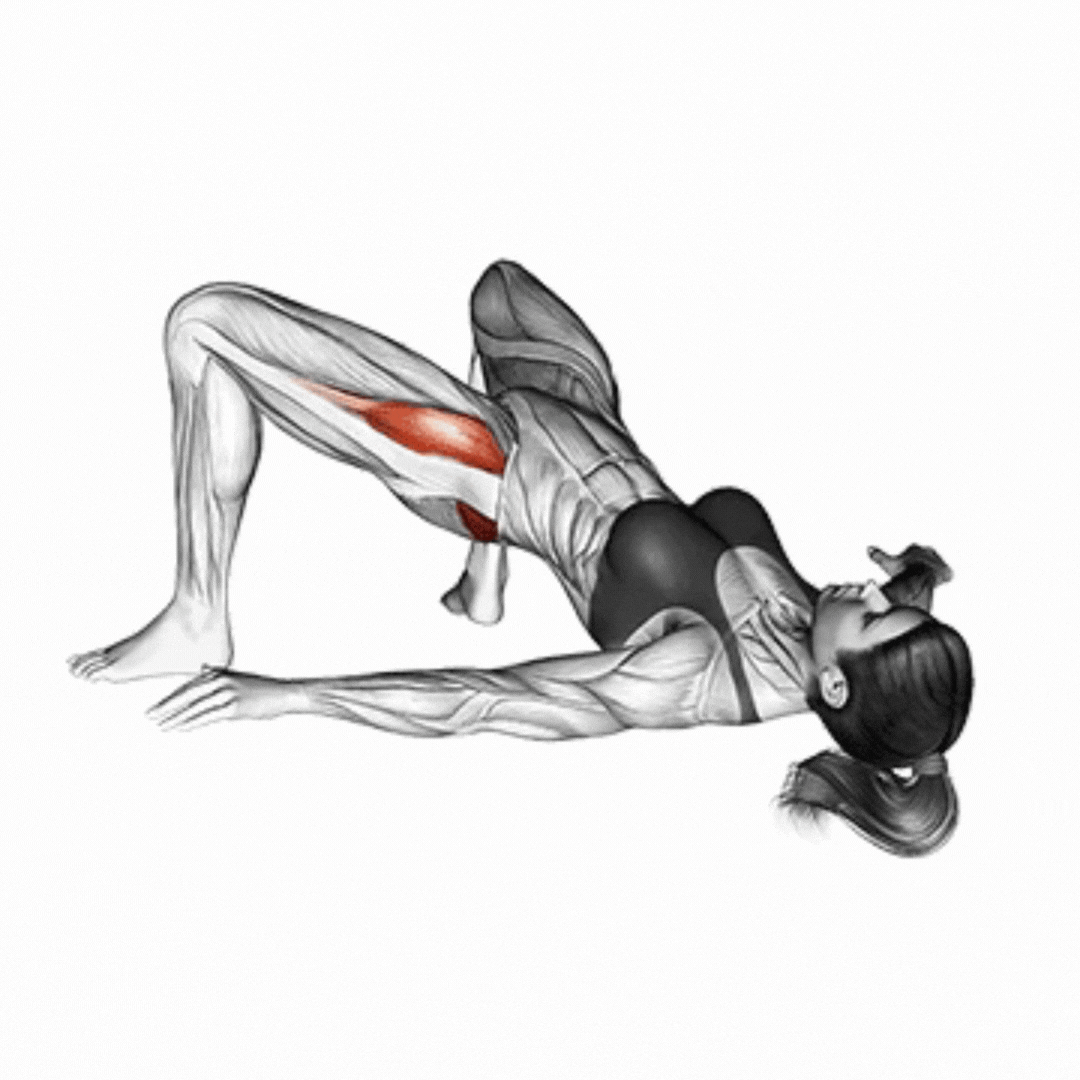
Bent Leg Kickbacks

Bent Leg Kickbacks

Glutes

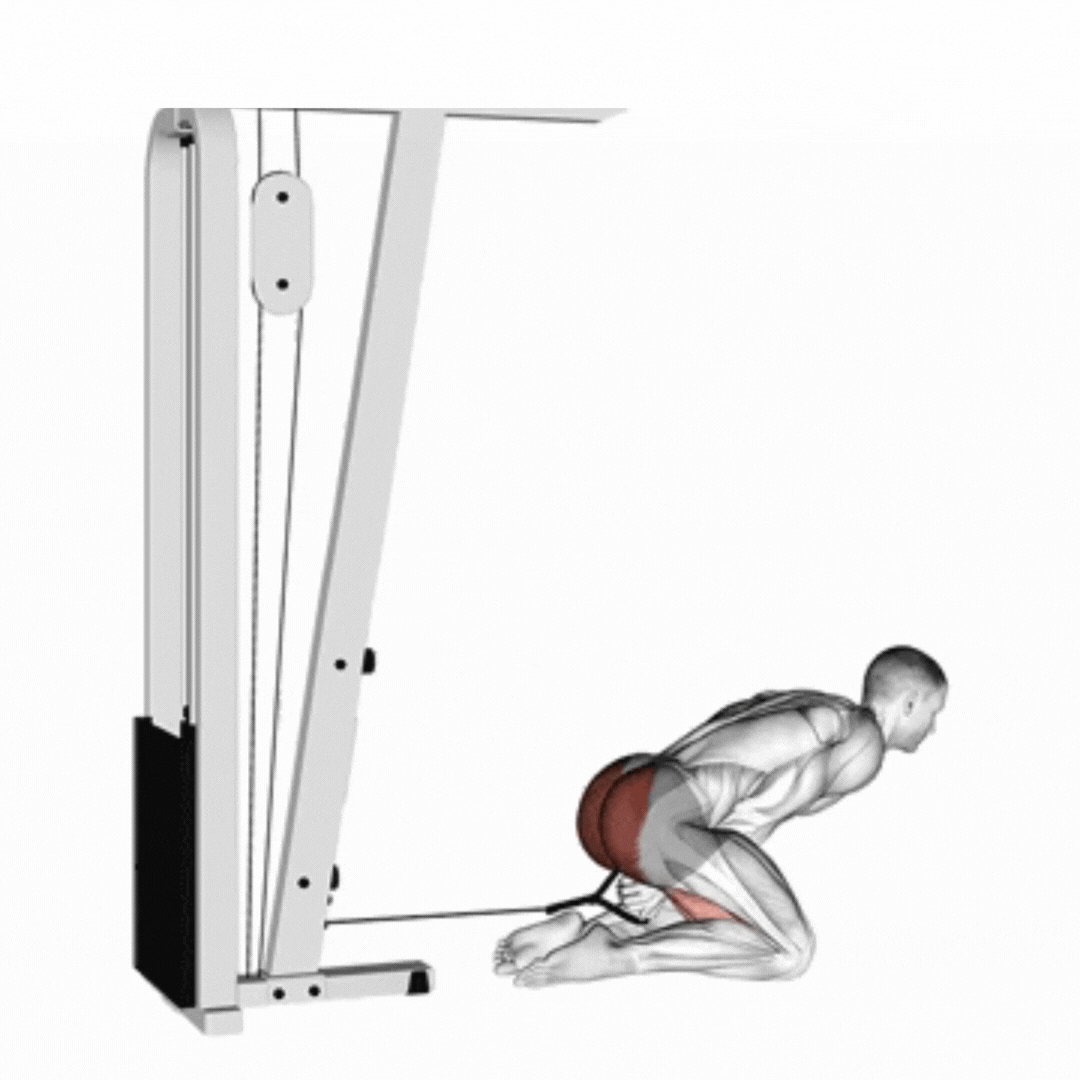
Cable Donkey Kickback

Cable Donkey Kickback

Glutes

Cable Hip Abduction

Cable Hip Abduction

Glutes

Exercise Information

DifficultyBeginner
Movement TypeIsolation
FocusHypertrophy
Injury RiskLow
Set3-4
Reps12-20
Rest45 seconds
Tempo2-1-2-0
Spotter RequiredNo
Home / Gym
YesYes
Effectiveness3.8 / 5
Popularity7.5 / 10
Learning DifficultyEasy

Equipment

bodyweight

Primary Muscles

Gluteus maximus

Secondary Muscles

HamstringCore kaslarıAlt sırt

Benefits

  • ✓Isolates and targets the gluteus maximus muscle.
  • ✓Requires no equipment and can easily be done at home.
  • ✓An ideal warm-up movement for glute activation.
  • ✓Improves core stabilization.
  • ✓Provides unilateral training for glute symmetry.

Goals

Muscle GainEndurance
Back to All Exercises
Donkey Kick
Animation

Description

The Donkey Kick is a classic bodyweight glute exercise that isolates the gluteus maximus. It is performed in a quadruped (all-fours) position by pushing the leg back and up while keeping the knee bent. Since it requires no equipment, it can easily be done at home, in the park, or while traveling. It is an ideal movement for shaping, strengthening, and activating the glute muscles. It also improves core stabilization because the quadruped position requires balance and trunk control. Suitable for athletes of all levels, from beginners to advanced, it is also frequently used as a warm-up and activation exercise before heavier glute workouts.

Step-by-Step Instructions

  1. 1

    Get into a quadruped (all-fours) position; your hands should be directly under your shoulders and your knees directly under your hips.

  2. 2

    Keep your back flat by bracing your core, and do not let your lower back sag.

  3. 3

    Keep your neck in a neutral position with your eyes looking down at the floor.

  4. 4

    Exhale and push your right leg up toward the ceiling while keeping your knee bent at a 90-degree angle.

  5. 5

    With the sole of your foot facing the ceiling, squeeze your glute at the top of the movement for 1-2 seconds.

  6. 6

    Lower your leg back to the starting position in a controlled manner, but repeat the movement without letting your knee touch the floor.

  7. 7

    After completing the desired number of repetitions, switch to the other leg.

Key Points

  • ✓Hands must be positioned directly under the shoulders and knees directly under the hips.
  • ✓The knee must remain bent at 90 degrees as you push the leg back.
  • ✓Achieve maximum contraction by squeezing the glute forcefully at the top of the movement.
  • ✓The back must remain flat; the lower back should not arch or sag.
  • ✓Perform the movement slowly and with control, without using momentum.

Common Mistakes

  • ✗Arching the lower back excessively - causes lower back pain; the core must be kept tight.
  • ✗Lifting the leg too high - places excessive strain on the lower back.
  • ✗Leaning the body to the side - creates imbalance and breaks glute isolation.
  • ✗Using momentum for the movement - prevents the glute muscles from working effectively.
  • ✗Craning the neck upward - strains the neck; a neutral position must be maintained.

Breathing

Exhale as you push your leg up, and inhale as you lower it. Make sure to fully exhale while squeezing the glute muscle at the top of the movement.

Back to All Exercises

Related Exercises

Exercises targeting similar muscle groups

Glutes Exercises
Band Standing Hip Extension

Band Standing Hip Extension

Glutes

Lever Standing Hip Extension

Lever Standing Hip Extension

Glutes

Glute Kickback Machine

Glute Kickback Machine

Glutes

Bent Leg Kickbacks

Bent Leg Kickbacks

Glutes

Cable Donkey Kickback

Cable Donkey Kickback

Glutes

Cable Hip Abduction

Cable Hip Abduction

Glutes