.gif)
Description
The Bodyweight Frog Squat is a bodyweight squat variation performed with a wide stance and deep squat position resembling a frog's posture. The movement is executed with the toes pointing significantly outward and the knees pushing out. This position improves hip opening and inner thigh (adductor) flexibility. It also simultaneously activates the quadriceps, gluteus maximus, and adductor muscles. It is ideal as a preparation for exercises requiring hip mobility (deadlift, sumo squat, snatch). At the same time, it is a fundamental exercise for learning deep squat form. With its joint-friendly nature, it is safely used in rehabilitation processes. It is frequently included in yoga and mobility workouts. When performed regularly, it provides significant improvements in hip mobility, lower body flexibility, and squat depth.
Bodyweight Frog Squat How-To Guide
- 1
Stand with your feet much wider than shoulder-width apart, with your toes pointing outward at a 45-degree angle.
- 2
Cross your arms in front of you at chest level or clasp your hands together.
- 3
Engage your core, keep your back straight, and keep your chest up.
- 4
Lower yourself by pushing your hips back and driving your knees outward in the same direction as your toes.
- 5
Descend as deeply as possible; you can place your elbows on the inside of your knees.
- 6
Feel the stretch in your inner thighs and glutes at the bottom position, keeping your knees pushed out.
- 7
Push through your heels and squeeze your quadriceps and adductors to stand back up.
- 8
Bring your hips to full extension at the top position.
- 9
Keep your heels in contact with the floor throughout the entire movement.
Key Points
- ✓Very wide stance, toes pointing outward at 45 degrees.
- ✓Knees must track in the same direction as the toes and be pushed outward.
- ✓The movement should be deep; descend as low as possible.
- ✓Heels must not lift off the floor.
- ✓Keep your back straight and torso upright.
- ✓You should feel a stretch in the inner thighs and a hip opening.
Common Mistakes
- ✗Letting the knees cave in - causes joint stress and fails to engage the adductors.
- ✗Lifting the heels off the floor - indicates insufficient ankle mobility.
- ✗Inadequate range of motion - the goal is a deep squat position.
- ✗Rounding the back - places unnecessary strain on the spine.
- ✗Not pointing the toes outward enough - prevents proper hip opening.
- ✗Performing the movement too fast - limits flexibility development.
Breathing
Inhale as you descend, take a deep breath at the bottom position, and exhale as you stand back up.
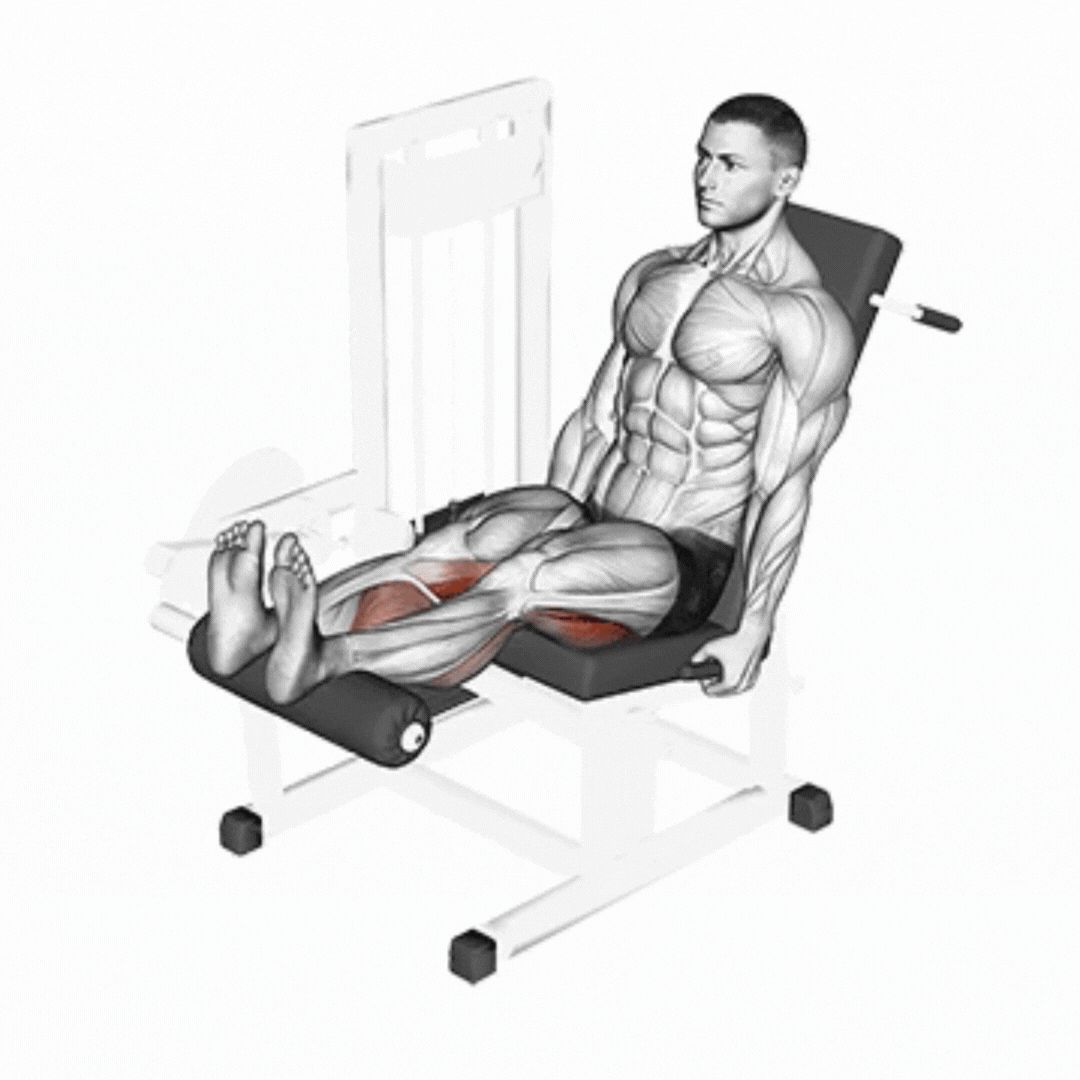
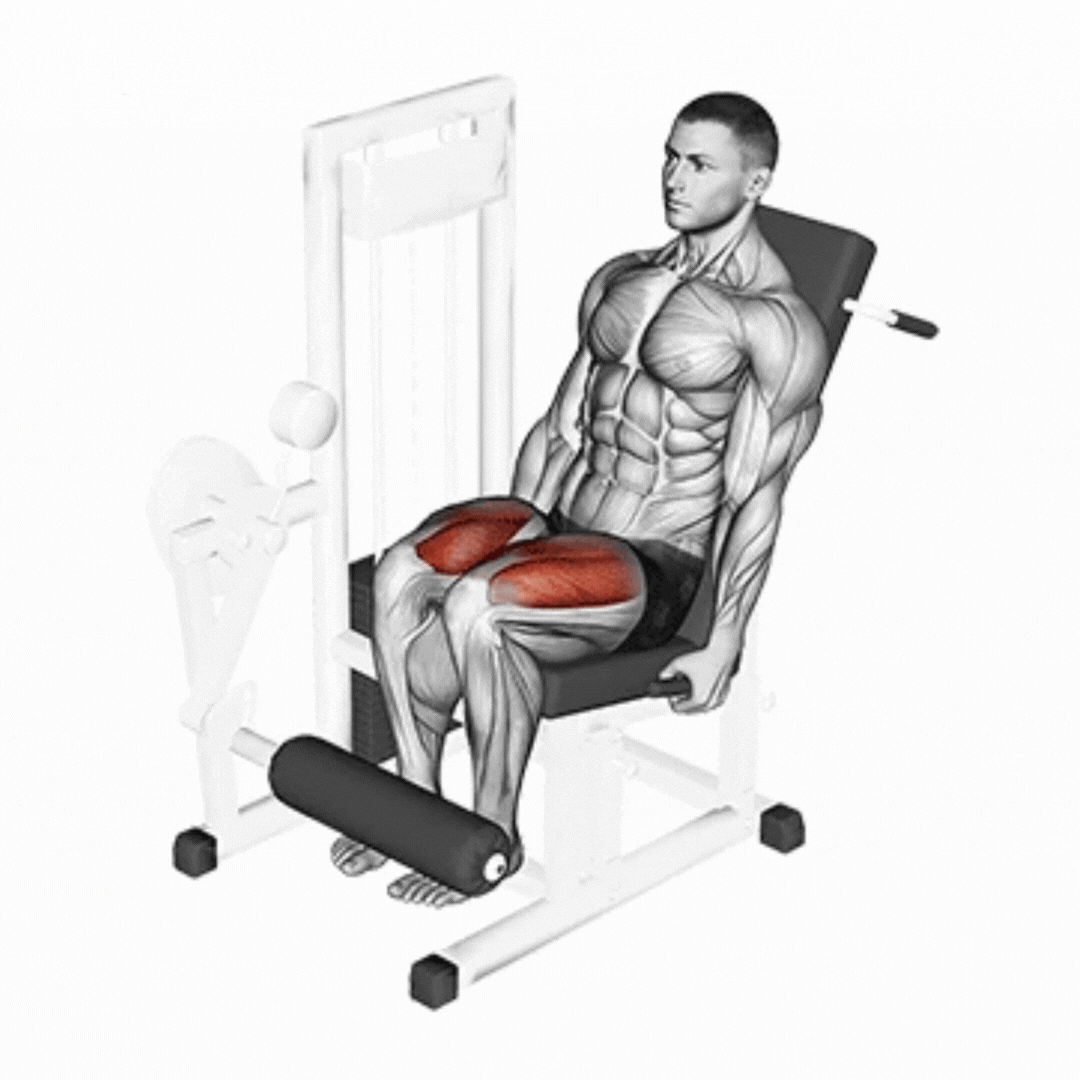
Muscle Activation
Safety
Precautions
- Individuals with acute knee injuries should exercise caution.
- Those with hip joint issues should limit the range of motion.
- Individuals with acute groin injuries should avoid this exercise.
- Those with very limited ankle mobility should start with a partial range of motion.
Safety Tips
- Start with a partial range of motion first and gradually increase depth.
- Perform the exercise on a soft mat.
- Adjust the range of motion according to your flexibility.
- Stop the movement if you feel any knee or hip pain.
- Warm up properly; do not drop into a deep squat while cold.
- Check your knee alignment by looking in a mirror.
Frequently Asked Questions
Which muscles does Bodyweight Frog Squat work?
Bodyweight Frog Squat primarily works these muscles: Quadriceps, Adductor, Gluteus maximus. It also engages: Hamstring, Gluteus medius, Core kasları, Kalf.
Is Bodyweight Frog Squat suitable for beginners?
Bodyweight Frog Squat is a Beginner level exercise. Learning difficulty: Easy.
Can Bodyweight Frog Squat be done at home?
Yes, Bodyweight Frog Squat can easily be done at home.
What are common mistakes when doing Bodyweight Frog Squat?
One of the most common mistakes: Letting the knees cave in - causes joint stress and fails to engage the adductors.
How many sets and reps for Bodyweight Frog Squat?
Recommended: 3-4 sets and 10-15 reps.
- ✓Significantly increases hip opening and mobility.
- ✓Improves inner thigh (adductor) flexibility.
- ✓Simultaneously activates the quadriceps and glutes.
- ✓Teaches proper deep squat form.
- ✓Positively impacts squat and deadlift performance.
- ✓Suitable for rehabilitation due to its joint-friendly nature.
- ✓Requires no equipment and can be easily done at home.
- ✓Can be integrated into yoga and mobility workouts.