.gif)
Description
Bent Over Twist is a dynamic rotational exercise that works the oblique muscles and the lower back region together. This movement improves core stability while increasing the mobility needed for torso rotation. Performed in a bent-over position, this exercise provides stimulus to the abdominal muscles from a different angle. It develops rotational strength, which is important for daily activities and sports. Suitable for beginners, weight can be added as you progress. It is an effective movement that increases the functional strength of the lower back and abdominal region.
Bent Over Twist How-To Guide
- 1
Stand upright with your feet shoulder-width apart
- 2
Hinge forward at the hips, keeping your back straight to form a 45-degree angle
- 3
Clasp your hands together in front of your chest or hold a light weight
- 4
Rotate your torso to the right while keeping your hips and legs stationary
- 5
Return to the center and repeat the same movement to the left side
- 6
Keep your back straight throughout the movement and avoid any sudden movements
Key Points
- ✓Lean forward with a slight bend at the waist, keeping the back straight
- ✓Keep the abdominal muscles engaged at all times
- ✓Initiate the rotation from the shoulders — do not just swing the arms
- ✓Keep your knees slightly bent to protect the lower back
- ✓Maintain a controlled range of motion and avoid sudden twists
Common Mistakes
- ✗Rounding or hunching the back — risk of lower back injury
- ✗Fully locking the knees — increases joint pressure
- ✗Just swinging the arms — does not effectively work the obliques
- ✗Performing the movement too quickly — risk of injury
- ✗Relaxing the abdominal muscles — fails to support the lower back
Breathing
Exhale as you rotate, inhale as you return to the center. Keep the abdominal muscles engaged at all times.
Muscle Activation
Safety
Precautions
- Those with a lumbar disc herniation should avoid this exercise
- Those with spinal problems should obtain medical clearance
- Should not be performed during pregnancy
- If you have acute back pain, postpone the exercise
Safety Tips
- Perform the rotational movement in a controlled and slow manner
- Reduce pressure on the lower back by keeping the knees slightly bent
- Begin the exercise with a proper warm-up
- Stop the movement immediately if you feel any pain
Frequently Asked Questions
Which muscles does Bent Over Twist work?
Bent Over Twist primarily works these muscles: Obliques, Erector spinae. It also engages: Rectus abdominis.
Is Bent Over Twist suitable for beginners?
Bent Over Twist is a Beginner level exercise. Learning difficulty: Easy.
Can Bent Over Twist be done at home?
Yes, Bent Over Twist can easily be done at home.
What are common mistakes when doing Bent Over Twist?
One of the most common mistakes: Rounding or hunching the back — risk of lower back injury
How many sets and reps for Bent Over Twist?
Recommended: 2-3 sets and 12-20 reps.

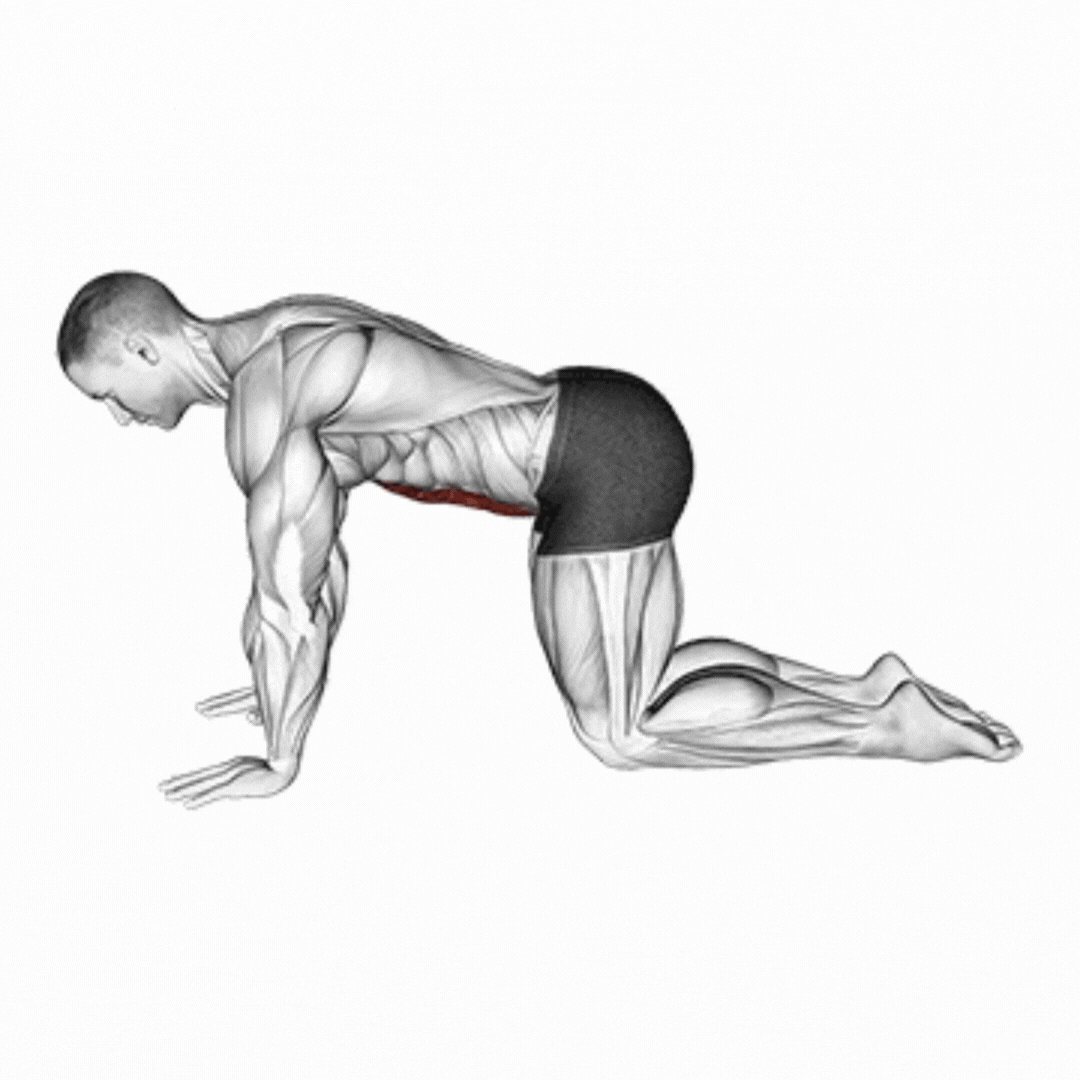
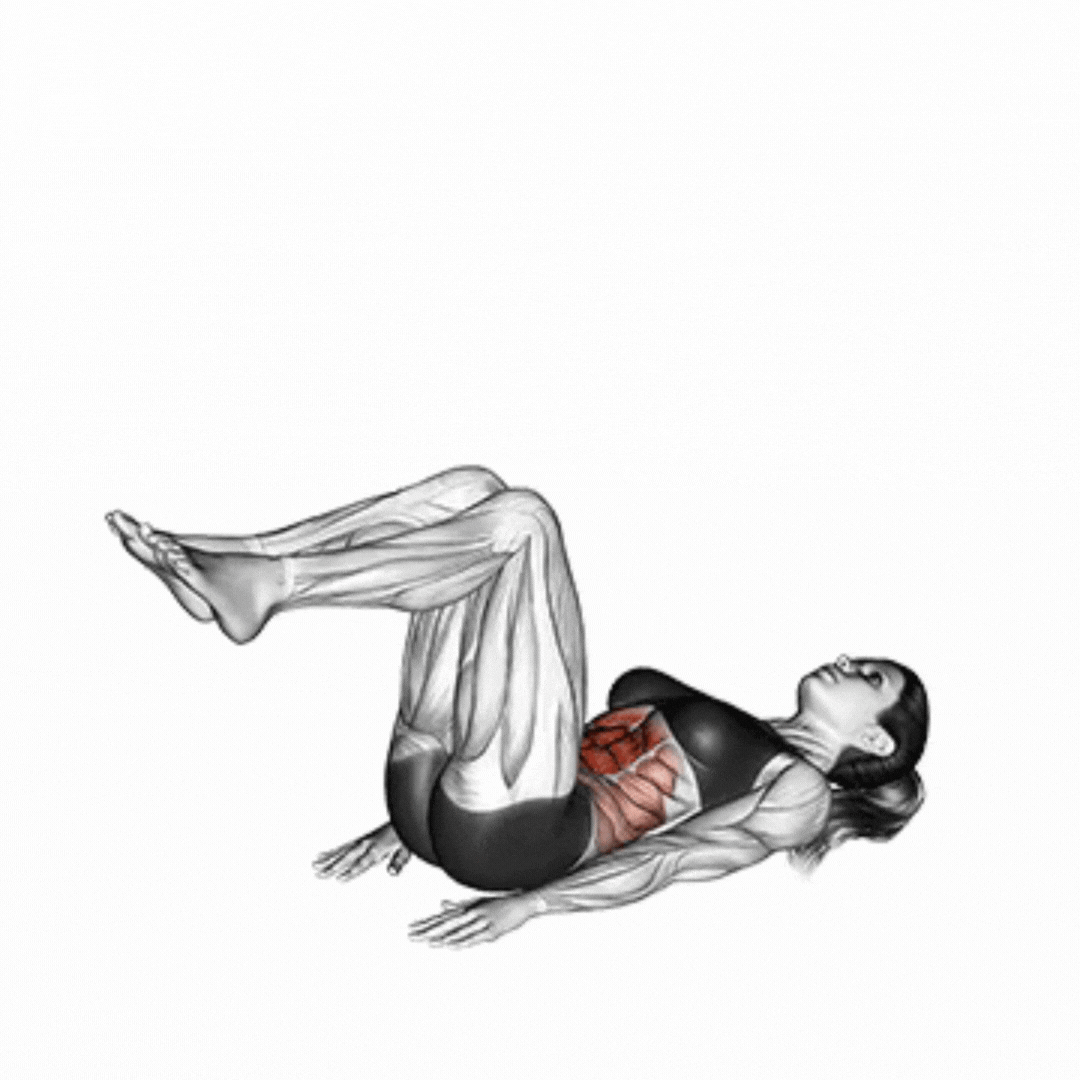
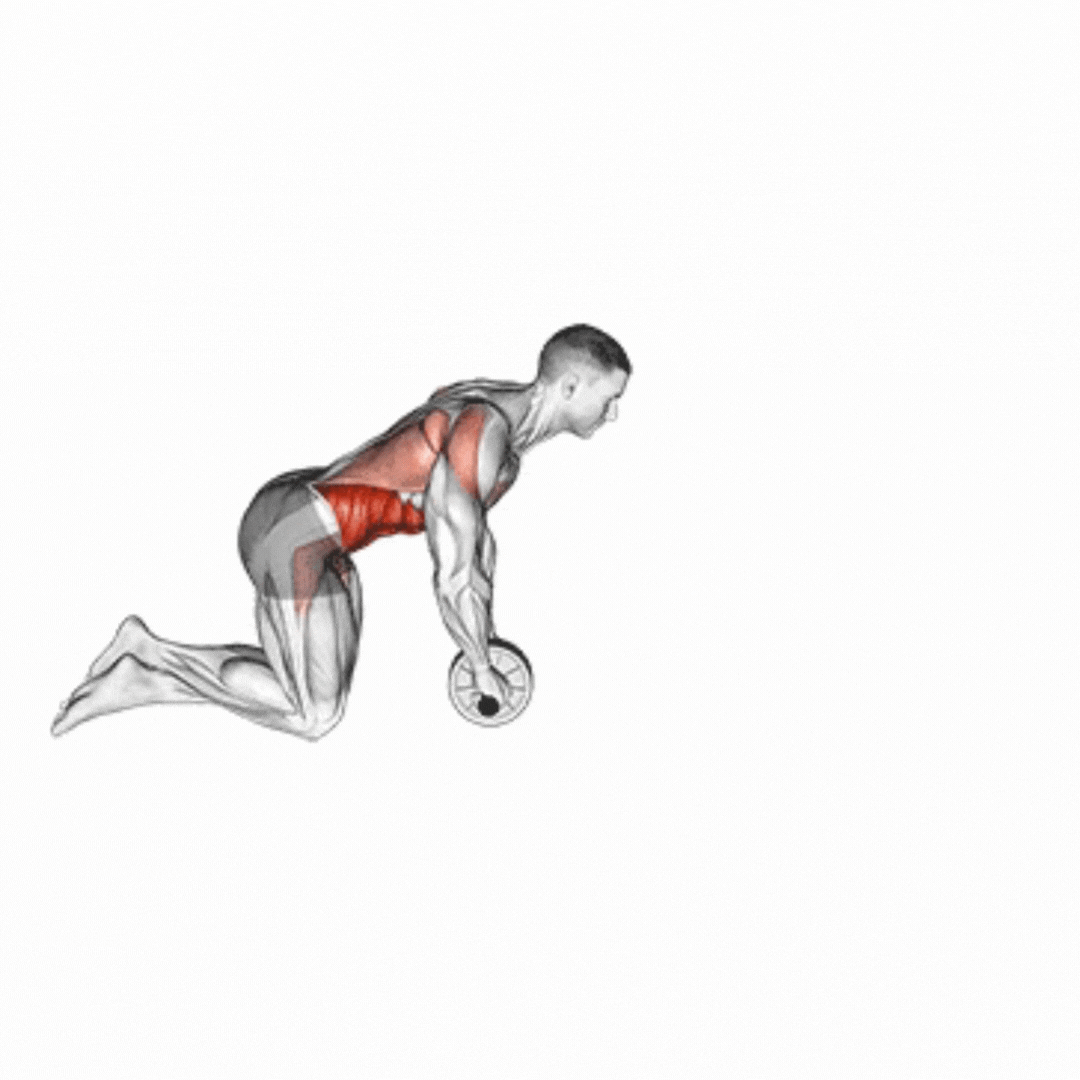
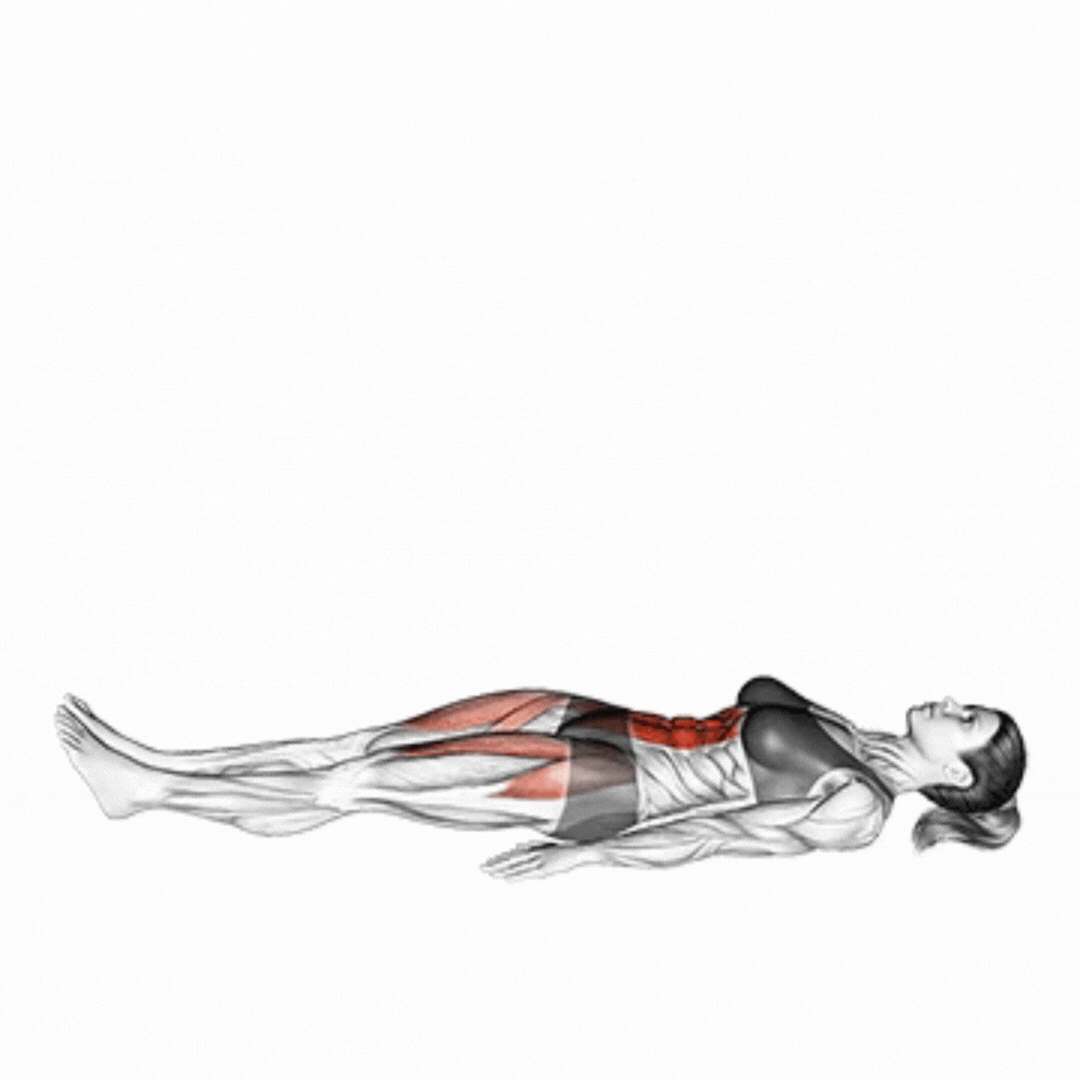
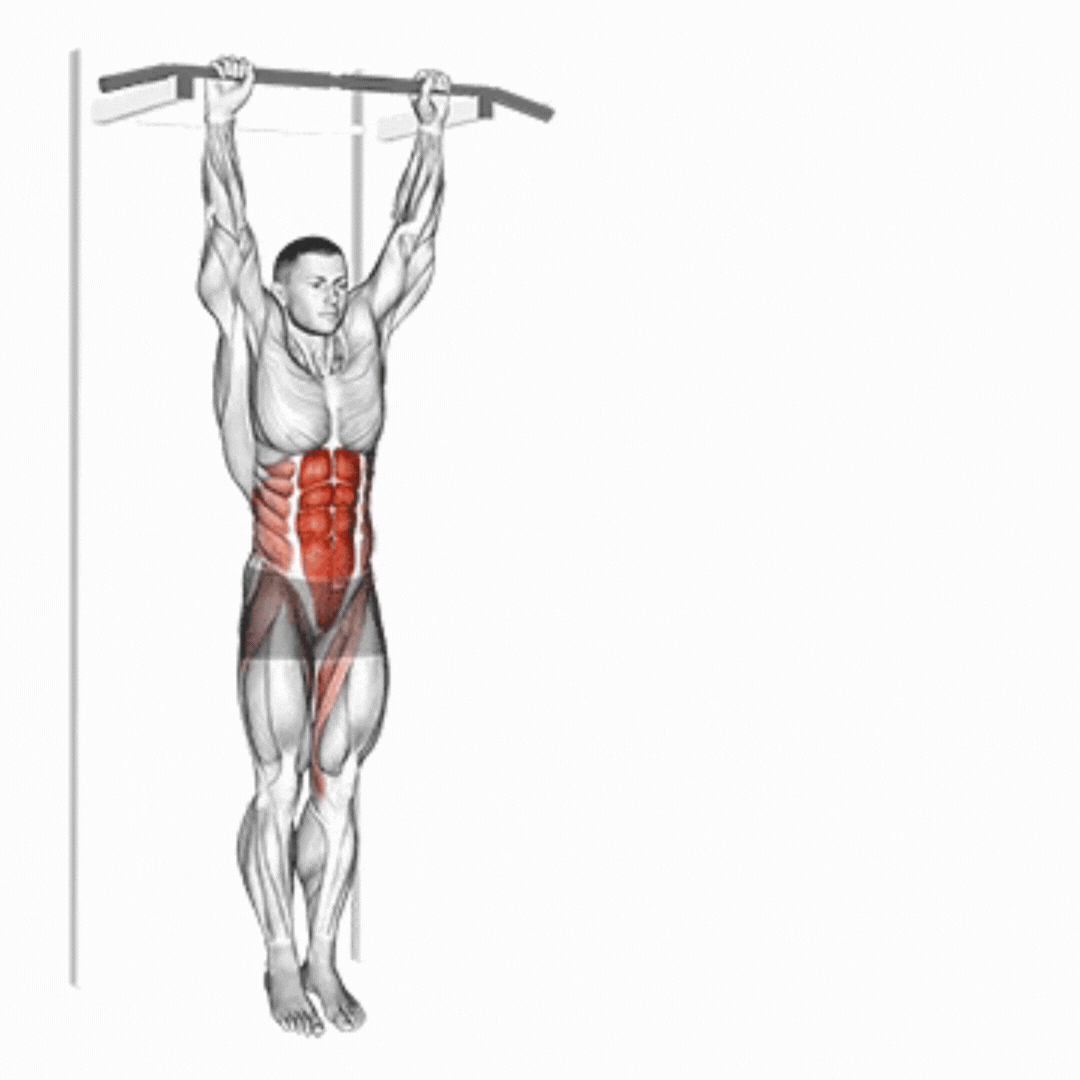
- ✓Works the obliques and lower back region
- ✓Builds endurance in rotational movements
- ✓Improves core stabilization
- ✓Increases functional movement capacity